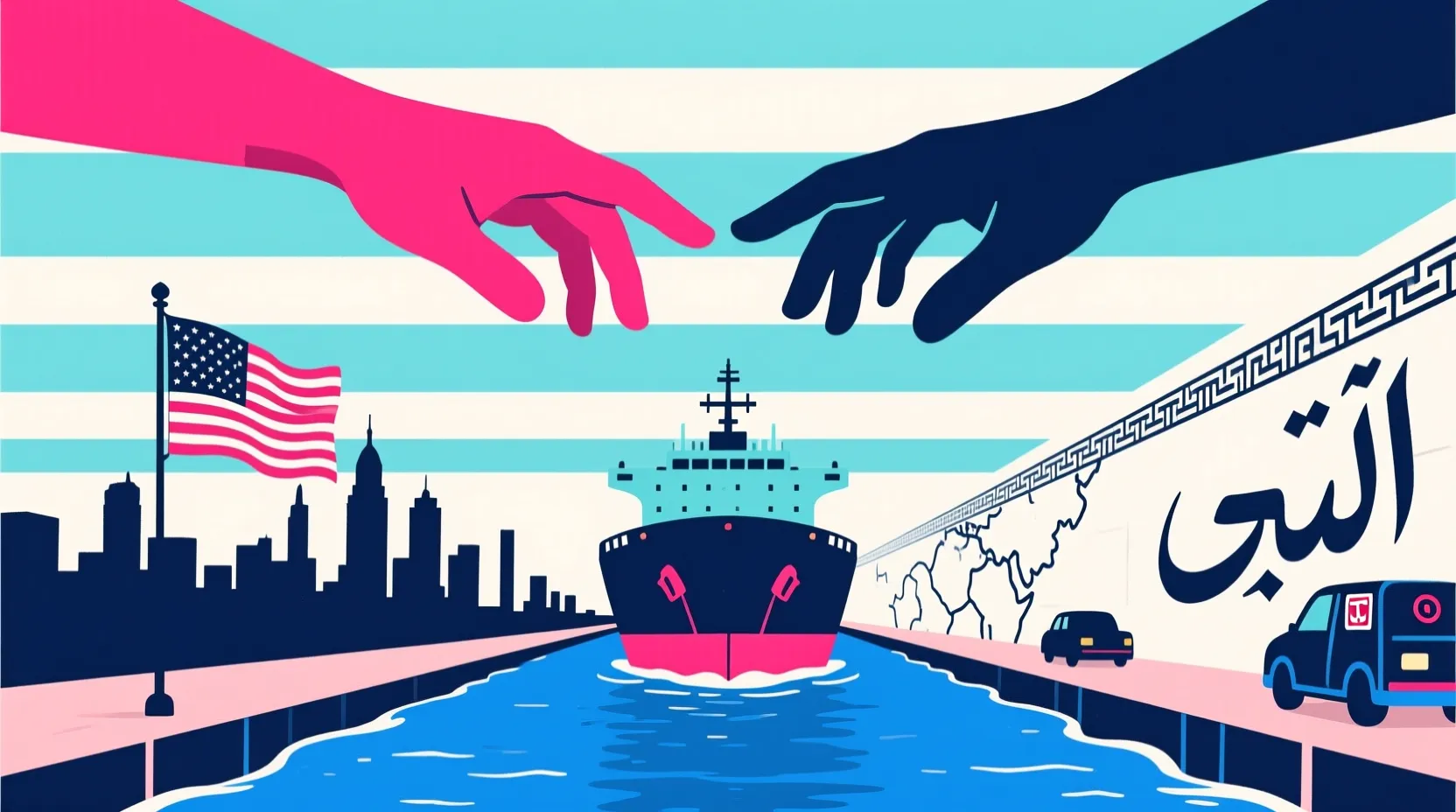
Trump's Iran stance stirs market bets and late-night jokes while Vance steps into tense diplomacy
As tensions simmer over the Strait of Hormuz, the White House is cracking down on insider speculation, and the president's rhetoric is drawing sharp reactions across the spectrum.

At a glance
What matters most
- The White House issued internal warnings against betting on prediction markets after suspicious trading in oil and stock futures preceded Trump's pause in Iran strikes.
- Vice President JD Vance is in Pakistan for high-stakes negotiations aimed at de-escalating conflict over the Strait of Hormuz, a critical global oil route.
- Trump's combative rhetoric on Iran has drawn mockery from late-night hosts and concern from ethics watchdogs over potential insider advantages.
- Critics on the left argue the administration's foreign policy is being driven by political loyalty rather than strategy, while right-leaning outlets praise Trump's tough stance.
Across the spectrum
What people are saying
A quick look at how the same story is being framed from different angles.
On the Left
Trump's approach to Iran reflects a pattern of reckless, performative aggression that prioritizes ego over diplomacy. The fact that staff might profit from war bets underscores a deeper moral rot - where national security decisions blur into financial gain and political theater. Vance's involvement doesn't redeem the policy; it just puts a gentler face on a dangerous agenda fueled by evangelical loyalty and authoritarian nostalgia.
In the Center
The administration faces a real challenge in protecting global shipping lanes while avoiding unnecessary war. Vance's diplomatic efforts are a necessary counterbalance to Trump's rhetoric, and the warning on prediction markets shows awareness of ethical risks. But the situation highlights the need for clearer rules on how sensitive information moves - and how quickly it can be exploited.
On the Right
Trump is standing firm against Iranian aggression where others hesitated, and the market activity only proves how seriously the world takes his decisions. Warning staff against betting is a prudent move, but the real story is American strength being restored. Vance's quiet diplomacy complements the president's toughness, showing a full-spectrum response that's finally holding adversaries accountable.
Full coverage
What you should know
Inside the White House this week, a quiet directive went out to staff: don't bet on war. The warning, confirmed by multiple sources, came after regulators flagged unusual activity on prediction platforms like Polymarket and Kalshi just before President Trump announced a pause in military actions against Iran. The timing raised eyebrows - oil and defense stock futures had shifted sharply in advance, suggesting someone may have had early insight into the administration's plans.
That pause, though temporary, followed weeks of escalating rhetoric from Trump over Iran's continued disruption of shipping through the Strait of Hormuz. The narrow waterway handles about 20% of the world's oil, and its instability has sent ripples through global markets. Now, with Vice President JD Vance quietly shuttling between Islamabad and Muscat for backchannel ceasefire talks, the administration is trying to balance deterrence with diplomacy - a tightrope walk that's drawing intense scrutiny.
Trump hasn't softened his tone. In recent social media posts, he's framed the standoff as a test of strength, using language that critics say blurs the line between foreign policy and personal bravado. Late-night host Jimmy Kimmel compared the president's Iran comments to his infamous 2005 remarks with Billy Bush, saying he talks about war 'like he's bragging about women.' The clip went viral, adding to the sense that the administration's messaging is as much about performance as policy.
On the right, outlets like the Daily Caller and Washington Examiner have pushed back, portraying Trump's approach as necessary and resolute. One columnist called the Iran showdown an 'act of testicular homicide' - a jab at past administrations' restraint - while praising Vance's unexpected diplomatic role. Still, questions linger about how much the vice president truly influences strategy, especially as he operates largely out of the public eye.
Meanwhile, ethics experts are zeroing in on the prediction market activity. While no laws appear to have been broken, the episode highlights a growing blind spot in how national security decisions intersect with financial speculation. Unlike traditional insider trading, prediction markets operate in a gray zone - and regulators are now under pressure to clarify the rules before the next crisis.
For now, the Strait of Hormuz remains tense but quiet. Ships are moving again, cautiously. Markets have stabilized. But the week's events have left a mark: when a president speaks, people listen - and some may be betting. The White House hopes its internal warning will be enough to keep that from happening again.
What's clear is that foreign policy in 2026 isn't just shaped in Situation Room briefings or diplomatic cables. It's also being watched, priced, and mocked in real time - by traders, comedians, and citizens wondering whether the next tweet will spark a war or just another late-night punchline.
About this author
Zwely News Staff compiles multi-source reporting into concise, viewpoint-aware coverage for readers who want context without noise.
Source Notes
White House Warns Staff Against Betting On Prediction Markets Amid Iran War
'President Trump has been crystal clear.'
White House report card: Trump’s Iran showdown was ‘act of testicular homicide’
Welcome to Friday’s edition of Washington Secrets, and our weekly rundown of the president’s week and whether he won it or lost it. Today, we also consider just why JD Vance has been charged with flying to Pakistan for ceasefire talks. East...
White House warned staff against making Iran war bets on prediction markets
The warning came after a flurry of unusual activity on oil and stock futures markets shortly before President Trump said he would pause attacks on Iran.
Vance expects U.S. negotiations with Iran on war will be ‘positive'
President Trump is frustrated by Iran continuing to throttle most shipping traffic through the Strait of Hormuz, the world's most important oil route.
Kimmel on Trump: ‘He talks about war like he’s bragging about women with Billy Bush’
Late-night host covered Trump’s latest social media posts on Iran and Melania’s surprise statement on Jeffrey EpsteinJimmy Kimmel expressed frustration over Donald Trump’s confusing statements on Iran while also expressing shock over Melani...
The Christian right’s victim complex fuels Trump’s Iran war
For evangelicals, there's no limit in defending the president's cruelty
Previous story
The Iran war is pushing up prices at the pump and beyond
Next story