
Trump's push for a ceasefire with Iran hits a snag as talks in Pakistan hang in the balance
The US vice president is on his way, but Iran hasn't confirmed it's showing up
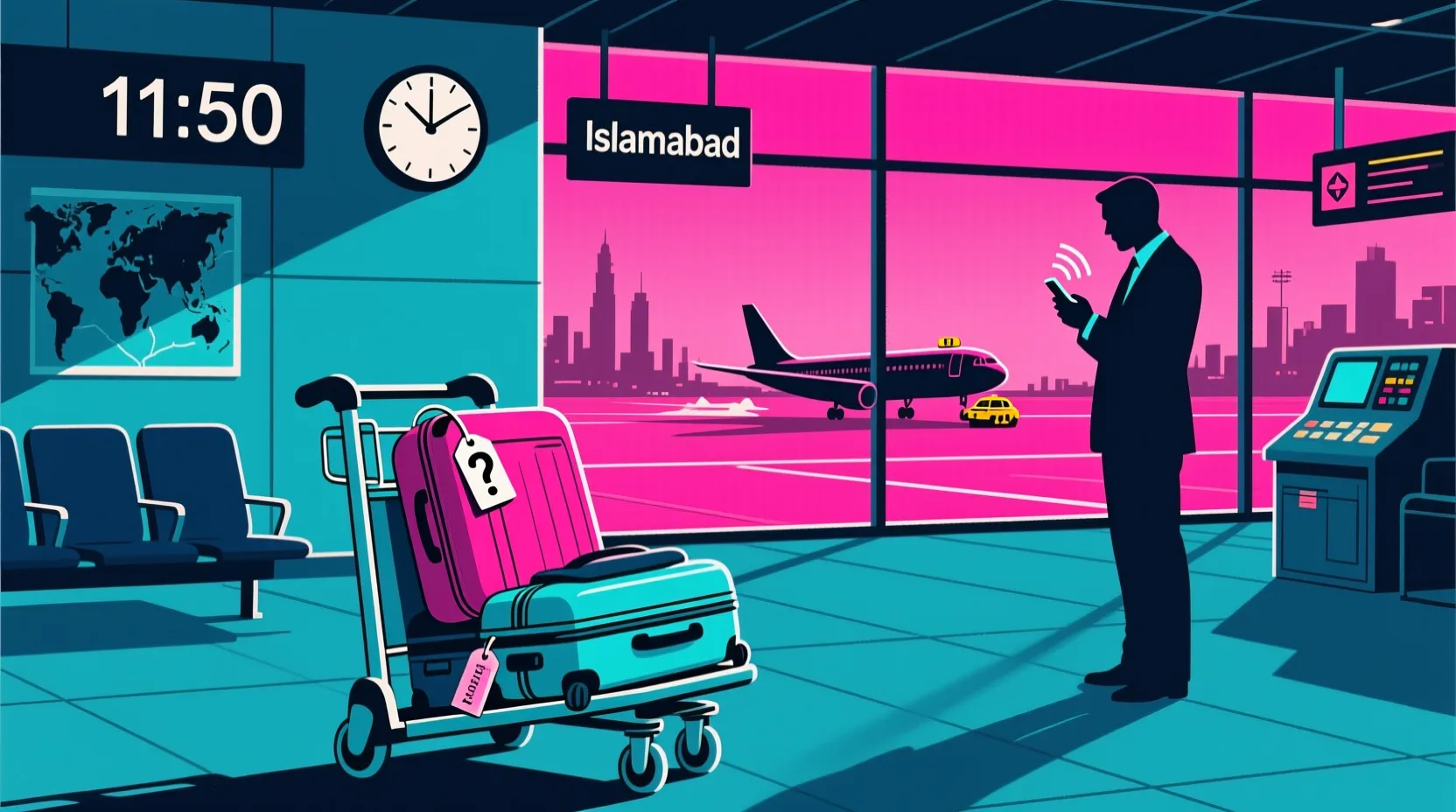
At a glance
What matters most
- US Vice President JD Vance is traveling to Pakistan for planned ceasefire talks with Iran, but Iran has not confirmed its delegation has left or will attend.
- The talks, set for Islamabad, come amid a looming deadline for a potential US-Iran truce, though trust between the two remains fragile.
- Iranian officials have issued sharp rhetoric toward the Trump administration in recent days, complicating the diplomatic atmosphere.
- Pakistan is hosting the talks as a neutral mediator, with regional stability hanging in the balance.
Across the spectrum
What people are saying
A quick look at how the same story is being framed from different angles.
On the Left
This situation shows how fragile diplomacy can be when built on tough talk and last-minute maneuvers. The Trump administration's aggressive stance over the years has made trust hard to come by, and without real concessions, Iran has little reason to engage seriously. Real peace needs more than photo ops-it needs consistency, respect, and a willingness to listen.
In the Center
While the delay is concerning, it's not uncommon in high-stakes diplomacy. Iran may be using the uncertainty to test US commitment or extract last-minute assurances. The fact that talks were even scheduled suggests some level of mutual interest in de-escalation, even if both sides are playing it close to the chest.
On the Right
The administration is right to push for a deal, but Iran's hesitation proves it only respects strength. Past attempts at diplomacy failed because they rewarded bad behavior. This time, the US must ensure any agreement includes strict verification and consequences for cheating-or it's just a pause in the conflict.
Full coverage
What you should know
Things were supposed to be moving forward today, but instead, they're stuck in place. US Vice President JD Vance is already on his way to Islamabad for high-level talks aimed at locking in a ceasefire between the United States and Iran. The goal was clear: de-escalate years of tension and avoid another flare-up in the Middle East. But as of Tuesday morning, Iran's delegation hasn't even left home. According to Iranian state television, there's been no official departure, and Tehran hasn't confirmed participation. That silence is loud, and it's making a lot of people nervous.
The talks were meant to be a breakthrough moment in a rocky relationship. With Vance leading the US side, the administration is trying to show it can deliver diplomacy after months of threats and posturing. But Iran has given mixed signals. While there was initial agreement to meet, recent statements from Iranian officials have been defiant, with some directly targeting former President Donald Trump-still a dominant force in US politics-with sharp warnings. That kind of rhetoric doesn't exactly set the tone for compromise.
Pakistan, stepping in as host, is trying to keep the door open. Islamabad has quietly positioned itself as a backchannel mediator, hoping to prevent further instability in an already tense region. The choice of location makes sense-Pakistan shares complex ties with both Washington and Tehran, and it has an interest in keeping the peace. But even the best host can't force guests to show up.
The timing is tight. There's an informal deadline looming, and both sides know that delays could kill the momentum. A ceasefire isn't just about stopping violence-it's about building enough trust to start talking about bigger issues, like nuclear limits and regional influence. Without that first step, everything else stalls. And with hardliners on both sides watching closely, any sign of weakness or hesitation could be used to derail the process entirely.
Still, some officials remain cautiously hopeful. They point out that diplomatic talks often involve last-minute uncertainty, and that Iran may be using the delay as leverage. Maybe they want more concessions before sitting down. Or maybe they're waiting to see how the US responds to their public statements. Either way, the ball is still in play-but it's not rolling forward yet.
What happens in the next 24 hours could matter a lot. If Iran shows up, even late, there's a chance these talks could lead to something real. If they don't, the whole effort might collapse, and the region could drift back toward confrontation. For now, the world is waiting-and watching.
One thing's clear: diplomacy isn't just about what happens at the table. It's about who shows up, when, and why. And right now, one side hasn't answered the door.
About this author
Zwely News Staff compiles multi-source reporting into concise, viewpoint-aware coverage for readers who want context without noise.
Source Notes
Middle East: Doubts grow over US-Iran talks
The Iranian delegation has not yet departed for scheduled peace talks with the US in Islamabad, Iranian state TV said on Tuesday. US Vice President JD Vance is reportedly en route for Pakistan but Iran has not yet confirmed that it will att...
Pakistan prepares for potential talks
The Iranian delegation has not yet departed for scheduled peace talks with the US in Islamabad, Iranian state TV said on Tuesday. US Vice President JD Vance is reportedly en route for Pakistan but Iran has not yet confirmed that it will att...
Iran talks uncertain as ceasefire deadline looms; Labor Secretary resigns amid misconduct probe
Time is running out on the U.S.-Iran ceasefire, as Vice President JD Vance hopes to lead high-stakes negotiations despite uncertainty over Iran’s participation. Labor Secretary Lori Chavez-DeRemer becomes the third Trump administration cabi...
Iranian official targets Trump with stark warning and more top headlines
Get all the stories you need-to-know from the most powerful name in news delivered first thing every morning to your inbox.
Previous story
Palantir's manifesto is raising alarms about AI and power
Next story