
Two Democrats are trying very different ways to win back a tough Central Valley seat
In California's 22nd District, one candidate leans into progressive energy, the other into pragmatism - and both are betting on what resonates in farm country.
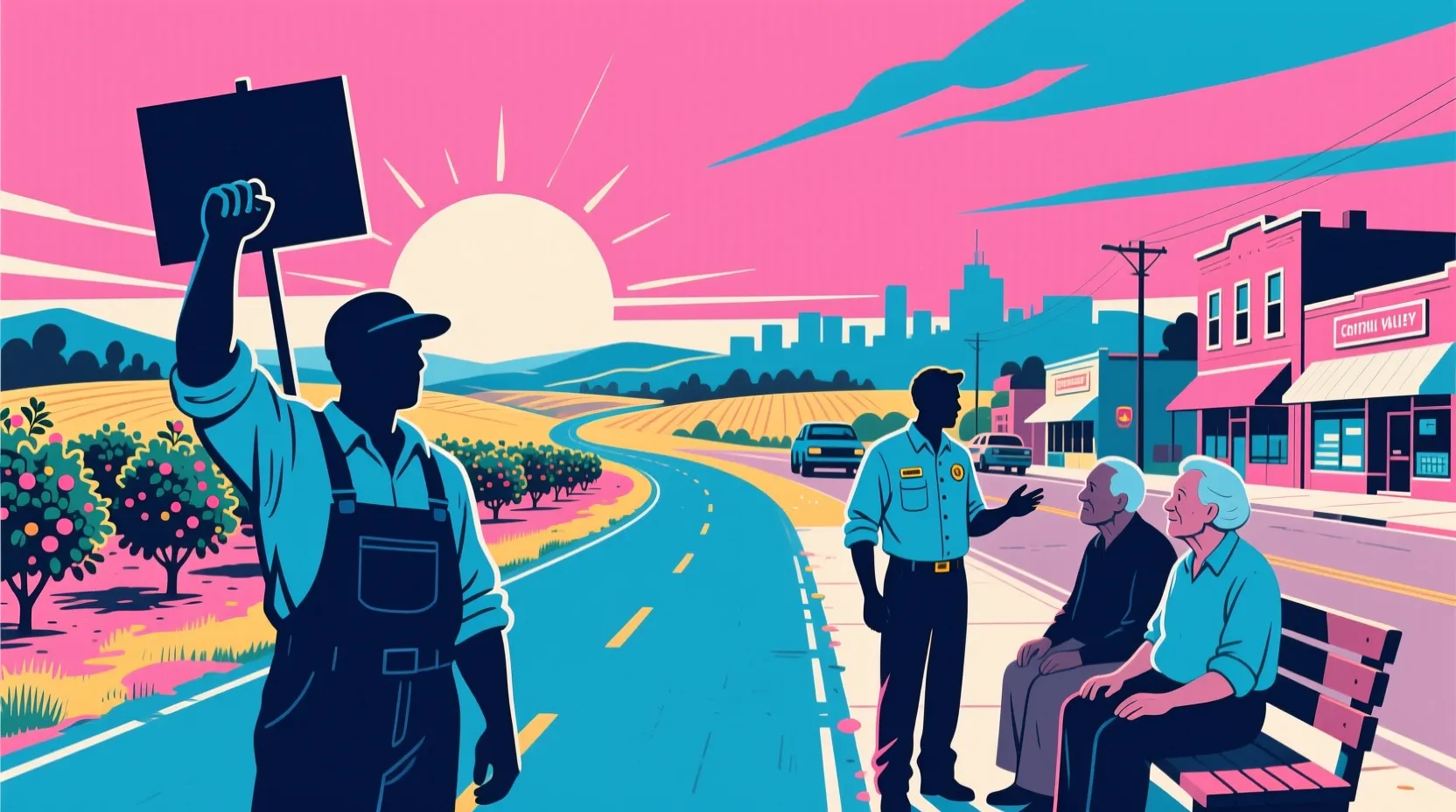
At a glance
What matters most
- California's 22nd District is a rare competitive congressional seat in a mostly blue state, with a Republican incumbent and two Democrats vying for attention.
- One Democratic candidate is running on bold progressive policies like farmworker protections and climate action, while the other emphasizes practical solutions and bipartisan appeal.
- The race highlights a national Democratic struggle: whether to win over rural voters with moderation or energize them with bold change.
- David Valadao has held the seat with narrow margins before, surviving both Democratic waves and Republican primaries.
Across the spectrum
What people are saying
A quick look at how the same story is being framed from different angles.
On the Left
The Democratic candidate pushing bold policies is the one actually listening to working families in the Valley. Farmworkers, rural renters, and young voters want action on climate, wages, and healthcare - not watered-down compromises. This race shows that progressives can build power in unexpected places by speaking directly to people's lived experiences, not by playing it safe.
In the Center
Both approaches have merit, but the district's history suggests moderation wins. Valadao has survived because he delivers tangible results and avoids extreme positions. A Democrat who can match that record while appealing across party lines may have a better shot than one relying on enthusiasm alone. The challenge is uniting the party's base without alienating the center.
On the Right
Valadao's strength comes from representing his constituents, not a national party agenda. The fact that Democrats are divided on how to beat him shows their broader disconnect from rural California. Whether it's unrealistic climate mandates or support for open borders, their national platform doesn't fit here - and voters will stick with someone who knows the difference.
Full coverage
What you should know
In California's Central Valley, where almond orchards stretch for miles and farm trucks kick up dust on two-lane roads, a quiet but telling battle is unfolding. The 22nd Congressional District, a patchwork of agricultural towns and shifting demographics, has become a testing ground for two very different Democratic visions. Both aim to unseat Republican David Valadao, but they're using different playbooks - one rooted in progressive momentum, the other in cautious pragmatism.
One candidate is leaning hard into movement-style politics: pushing for stronger labor rights for farmworkers, aggressive climate policies tailored to farming communities, and expanded rural healthcare. This approach treats the district not as a place to be won over gently, but as one ready for bold ideas if they're grounded in local needs. Supporters say it's time Democrats stopped apologizing for their values, even in red-leaning areas.
The other Democrat is taking a different tone. Instead of sweeping reforms, this campaign highlights school funding, infrastructure upgrades, and Valadao's own history of breaking with his party on issues like gun safety and immigration. The message is less about ideology and more about reliability and results. It's a strategy built on the belief that voters here care less about national party labels and more about who shows up.
Valadao, meanwhile, remains a survivor. He's held the seat through multiple political earthquakes, winning re-election even after voting to impeach Donald Trump. His ability to appeal to both moderate Republicans and disaffected Democrats has made him a rare breed in today's polarized Congress. But with both Democrats trying to consolidate support, that balance could be harder to maintain.
The primary system in California means all candidates run on the same ballot, with the top two advancing to the general - regardless of party. That raises the stakes: if both Democrats stay strong, they could split the vote and hand Valadao an easier path. But if one gains clear traction, it could set up a real contest in a district that's often a bellwether for rural political shifts.
Nationwide, Democrats are still searching for a formula that works in rural America. Losses in farm and working-class areas have narrowed their path to House majorities, and California's Central Valley offers clues. Winning here doesn't just mean flipping a seat - it could shape how the party campaigns from the San Joaquin Valley to the Midwest in the years ahead.
For now, the two Democrats are making their cases town by town, kitchen by kitchen. One brings energy and a call for transformation. The other brings a calm pitch for steady progress. In a region where change comes slowly, both are betting they know what voters really want.
About this author
Zwely News Staff compiles multi-source reporting into concise, viewpoint-aware coverage for readers who want context without noise.
Source Notes
How Do You Beat a Central Valley Republican?
Two Democrats in California’s 22nd District have very different ideas. The post How Do You Beat a Central Valley Republican? appeared first on The American Prospect.
Steve Hilton's Chances of Beating Democrats in California Governor Race
Trump‑endorsed Republican pulls slightly ahead in this closely watched contest, but the numbers suggest it’s far from settled.
Previous story
Seth Meyers isn't buying Trump's story about that secret White House ballroom
Next story