UK officials are quietly preparing for possible food shortages this summer
A worst-case scenario plan is in motion as global tensions with Iran drag on
At a glance
What matters most
- UK officials are working on a worst-case plan for food shortages this summer if global supply chains worsen
- The conflict with Iran is disrupting shipping and energy markets, affecting food production and transport
- Supermarkets and farmers are being asked to share stock data to help the government track vulnerabilities
- No public alerts or panic buying are expected at this stage, but officials want to be ready
Across the spectrum
What people are saying
A quick look at how the same story is being framed from different angles.
On the Left
This moment shows what happens when foreign policy relies too much on military posturing instead of diplomacy. Working-class families end up paying the price through higher food costs and insecurity, while the roots of conflict-often tied to resource control and arms sales-go unchallenged. The government should be investing in local food resilience, not just reacting to crises created by endless geopolitical brinksmanship.
In the Center
It makes sense for the UK to prepare for possible supply disruptions, especially given how interconnected global markets are. The government isn't sounding alarms, but it's smart to gather data and coordinate with industry now, before problems emerge. The real test will be whether they can act early enough to keep impacts on consumers to a minimum.
On the Right
National preparedness is a basic responsibility of government, and it's good to see officials thinking ahead. The world is unstable, and relying on just-in-time imports leaves the country vulnerable. This situation underscores the need for more domestic food production and energy independence so the UK isn't at the mercy of distant conflicts or shipping delays.
Full coverage
What you should know
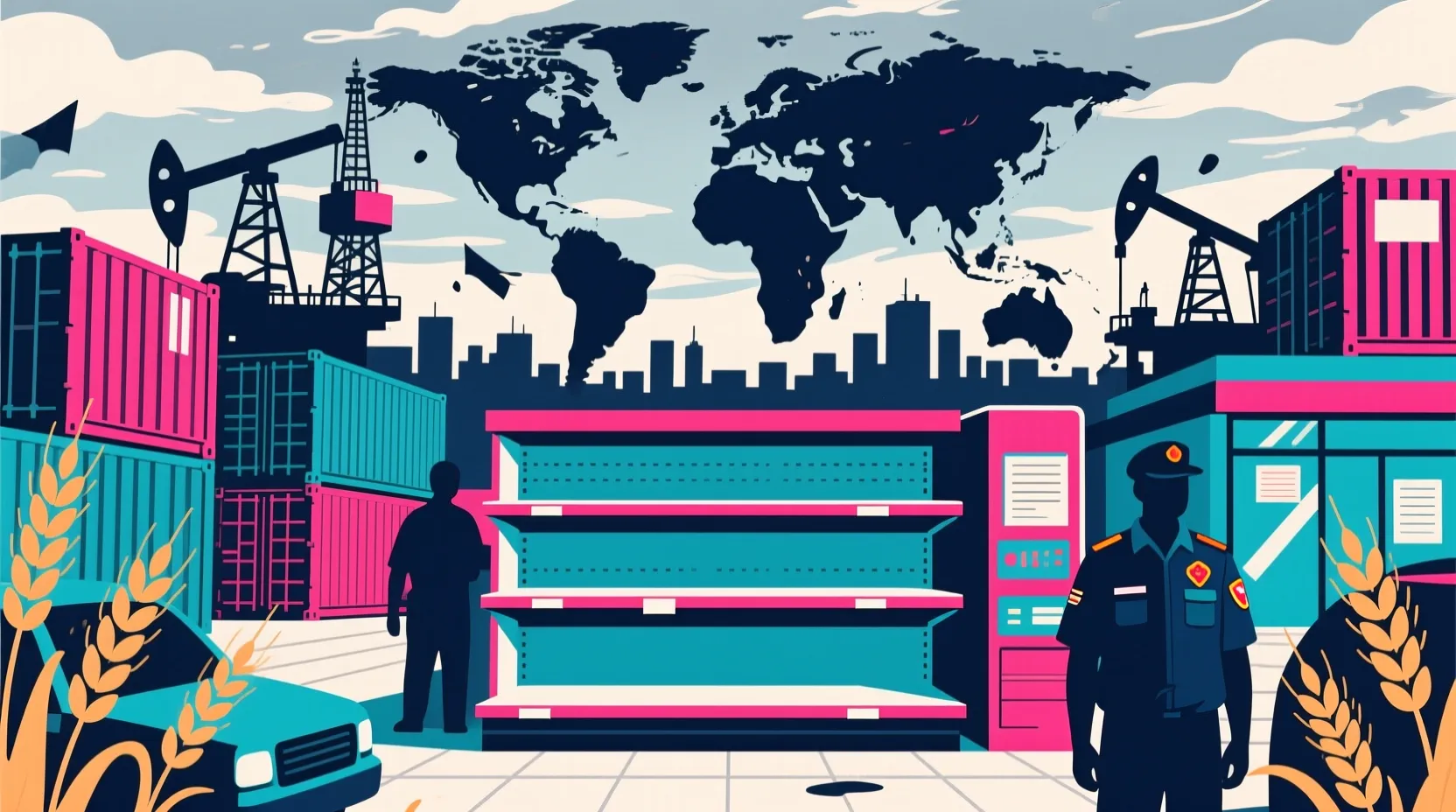
The UK is quietly laying the groundwork for a possible disruption in food supplies this summer, as officials map out a worst-case scenario tied to the ongoing conflict with Iran. While there's no current shortage, and shelves remain full, government planners are factoring in delays to shipping, higher fuel costs, and strained agricultural inputs like fertilizer that could ripple through the food system in the coming months.
The situation stems from how deeply global supply chains are intertwined. Even though the fighting isn't near British soil, key shipping routes through the Persian Gulf and the Red Sea have become riskier and more expensive to navigate. Insurance costs for cargo vessels have climbed, and some carriers are rerouting entirely, adding days or even weeks to delivery times. That affects everything from fresh produce flown in from Africa to animal feed and grains shipped from Eastern Europe.
Officials are now in regular contact with major supermarkets, port operators, and farming groups. They're asking for voluntary data sharing on stock levels and supply timelines-not to alarm the public, but to get a clearer picture of where bottlenecks might form. The goal is to avoid being caught off guard, like during the early days of the pandemic when panic buying and delivery hiccups led to empty shelves.
Energy prices have also crept up again, partly due to concerns over oil supply from the Middle East. That hits food production in two ways: higher costs for running farms and processing plants, and more expensive transportation. Some growers are already reporting that fertilizer prices are rising, since key ingredients like ammonia depend on natural gas, much of which comes from or near conflict-affected regions.
So far, the government is treating this as a planning exercise, not an emergency. There's no talk of rationing or public warnings. But the fact that officials are dusting off contingency frameworks shows how seriously they're taking the risk. One source familiar with the discussions said the aim is to stay ahead of the curve: "We're not saying it will happen, but we can't afford not to prepare."
Consumers may start to notice small changes-slightly higher prices on certain items, or substitutions in ready-made meals-but nothing drastic is expected unless the conflict escalates further. Still, the situation is a reminder that modern food systems are fragile in ways most people don't see until something breaks.
For now, the message from officials is calm and measured: stay informed, don't stockpile, and trust that plans are in place. The hope is that diplomacy will ease tensions before any real disruption hits dinner tables. But with so much uncertainty, being ready for the worst is starting to look like common sense.
About this author
Zwely News Staff compiles multi-source reporting into concise, viewpoint-aware coverage for readers who want context without noise.
Source Notes
UK prepares for food shortages in worst case scenario as Iran war continues
The UK could face some food shortages by the summer under a worst case scenario drawn up by officials.
A Historically Bad Day for the Rule of Law in America
A Near Worst-Case Scenario The descent of the Justice Department into a crude weapon wielded by an erratic authoritarian is...
Previous story
California disbars John Eastman over role in 2020 election reversal effort
Next story