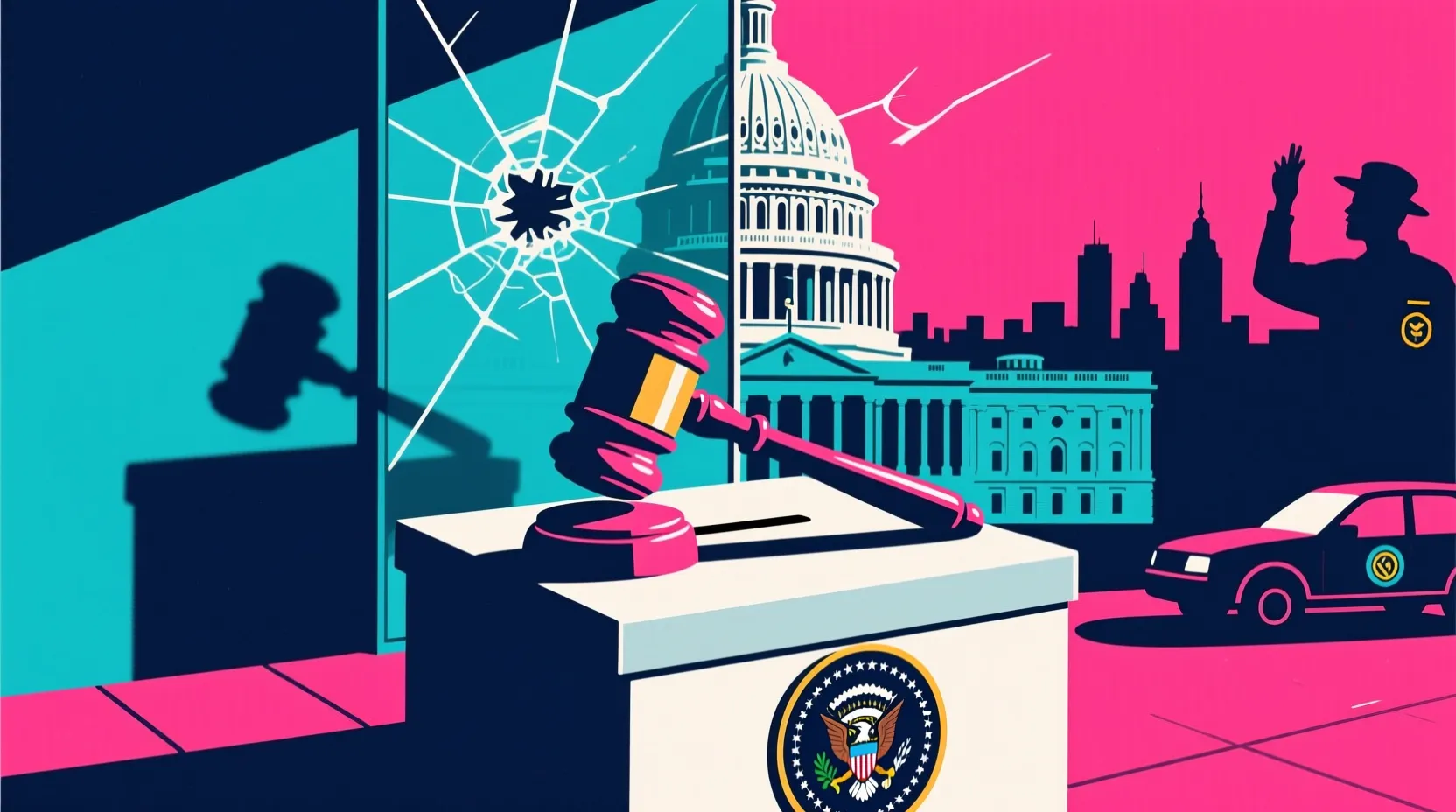
Virginia voters are trying to make sense of a confusing redistricting vote
A ballot measure could shift the state's political balance, but many say they're not sure what they're actually voting for.

At a glance
What matters most
- Virginia is holding a rare mid-decade vote on redrawing its congressional districts, a move that could benefit Democrats in the 2026 midterms.
- Voters report confusion due to contradictory ads, unclear ballot wording, and intense political messaging from both sides.
- Critics, especially on the right, argue the changes amount to partisan gerrymandering and could weaken Virginia's influence in Congress.
- Supporters say the new map would correct past Republican advantages and lead to fairer representation.
Across the spectrum
What people are saying
A quick look at how the same story is being framed from different angles.
On the Left
This redistricting effort is about fixing a system that's been rigged for years. The current map locked in Republican advantages through gerrymandering, and this vote is a chance to restore fairness. The new commission would reduce partisan control, create more competitive districts, and reflect how Virginia has changed. The opposition is just trying to protect their power.
In the Center
The proposal could lead to fairer representation, but the timing and messaging have created real confusion. Voters deserve clarity, especially on a technical issue like redistricting. While the current map has partisan leanings, changing district lines mid-decade sets a precedent that could be used by either party in the future, depending on who's in charge.
On the Right
This isn't reform - it's a partisan power play. Democrats are rushing through a mid-cycle map change to boost their 2026 chances, calling it 'nonpartisan' while pushing a clear advantage. It undermines stability, risks Virginia's influence in Congress, and sets a dangerous precedent for manipulating election rules whenever convenient.
Full coverage
What you should know
Virginia voters are heading to the polls this week on a ballot measure that could dramatically reshape the state's political landscape - but many say they're not sure what they're actually voting on. The measure, which would establish a new congressional map ahead of the 2026 midterms, has been buried under a wave of conflicting mailers, aggressive TV ads, and vague ballot language that's leaving residents scratching their heads.
The vote is unusual: most redistricting happens once every ten years after the census. But after court rulings and political pressure, Virginia is holding a rare mid-decade redo. If approved, the new map could give Democrats a real shot at picking up seats in a state that's been politically divided in recent years. Right now, Republicans hold a narrow edge in the congressional delegation, but analysts say the new lines could flip at least two districts.
That's exactly what's fueling the heated debate. Supporters, including Gov. Abigail Spanberger, argue the current map was drawn to favor Republicans and that the update would create more competitive and representative districts. They say it's about fairness, not partisanship. But opponents, including conservative media and Republican leaders, are calling it a power grab - a Democratic gerrymander disguised as reform.
"It feels like both sides are saying the opposite thing, and neither explains what actually changes," said Marcus Reed, a voter in Richmond who attended a community forum last week. "One ad says it helps working families. The next says Virginia will lose its voice in Washington. I just want to know who's telling the truth."
The confusion isn't just anecdotal. Polls show a significant portion of voters don't understand the mechanics of the proposal, even as they recognize its potential impact. The ballot language is broad, referring to the creation of a "nonpartisan" redistricting commission without detailing how maps will be drawn or who oversees the process. That ambiguity has given both campaigns room to frame the issue their way.
National groups have poured money into the fight. Democrats see Virginia as a potential pickup zone, especially if suburban shifts continue. Republicans warn that changing the map mid-cycle sets a dangerous precedent and could invite more political manipulation in other states. Some critics also argue that splitting fast-growing regions like Northern Virginia could dilute the state's influence in Congress.
Tuesday is the final day to vote, and turnout may be the biggest wildcard. With no high-profile races on the ballot, engagement has been low. Whether voters show up - and whether they feel confident in their choice - could determine not just the outcome of this vote, but how other states approach redistricting in an era of deep political distrust.
About this author
Zwely News Staff compiles multi-source reporting into concise, viewpoint-aware coverage for readers who want context without noise.
Source Notes
Voters say they feel confused and misled on Virginia's redistricting vote
Contradictory election mailers, conflicting TV ads and vague wording on the ballot have Virginia voters saying that the campaigns on either side of the redistricting vote are muddying the waters.
In Virginia, redistricting vote could give Democrats an edge ahead of midterms
Voting ends Tuesday in Virginia on a ballot measure that would lead to a new congressional map for the state. These new districts could provide Democrats a big boost ahead of the midterms.
Virginia could lose influence in Congress if Spanberger’s gerrymander passes
Gov. Abigail Spanberger (D-VA) and national Democrats are asking voters to send a message to President Donald Trump next week by passing a mid-decade redraw of Virginia’s congressional map — but doing so could come at the cost of the state’...
Previous story
Japan issues tsunami warning after strong offshore earthquake
Next story