
Wholesale inflation cooled more than expected last month even with the Iran war pushing up energy costs
The latest producer price data is giving economists hope that broader inflation could keep slowing this year
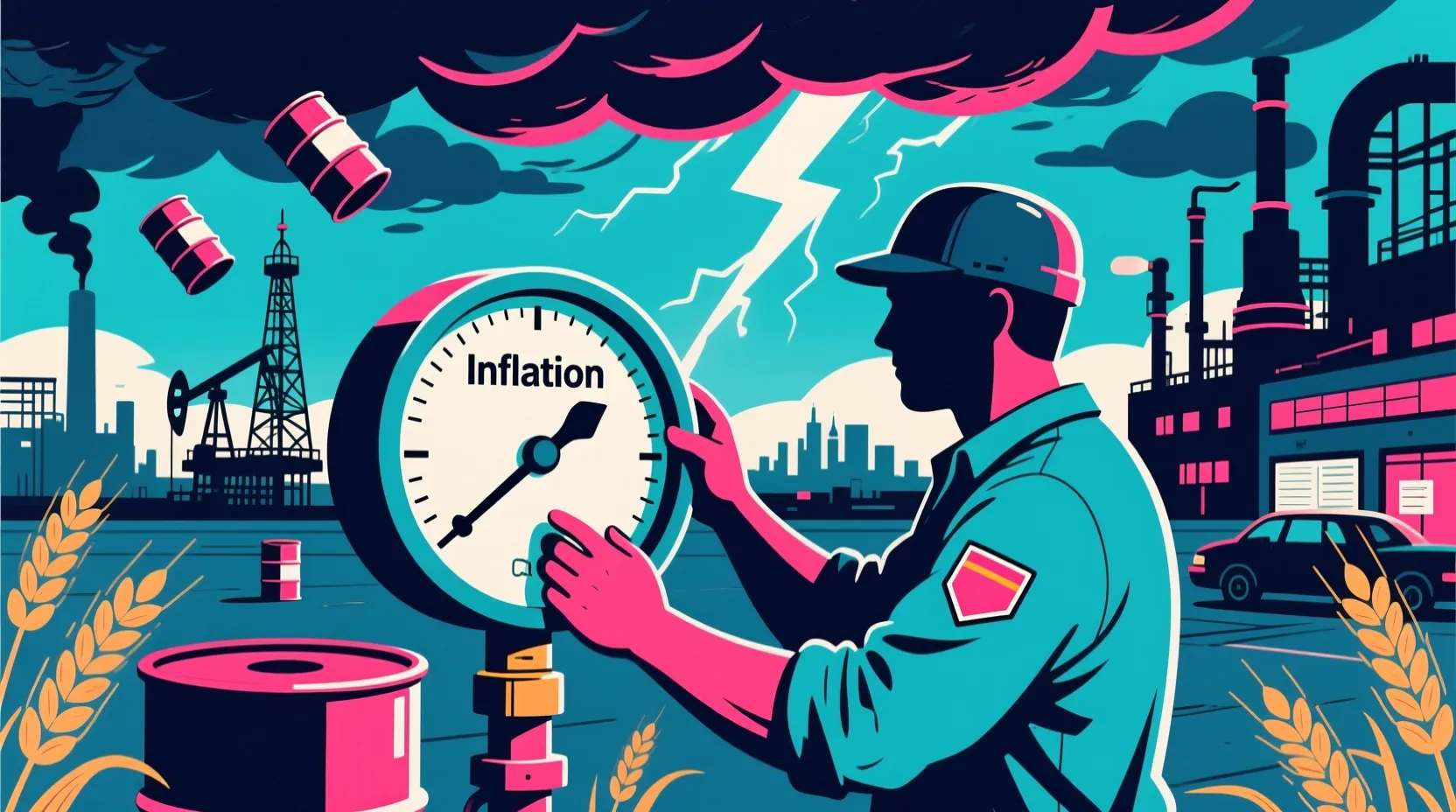
At a glance
What matters most
- U.S. producer prices increased by only 0.5% in March, less than half the 1.1% rise economists had expected
- Higher energy prices linked to the Iran war did push some costs up, but the overall increase was softer than feared
- The data suggests inflation at the wholesale level may be cooling, which could mean more relief for consumers ahead
- Markets are watching closely to see if the Federal Reserve might ease up on interest rates later this year
Across the spectrum
What people are saying
A quick look at how the same story is being framed from different angles.
On the Left
This report shows that strong public investments and supply chain reforms are helping stabilize the economy, even during global crises. While the Iran war is driving up energy costs, the fact that inflation didn't spike suggests underlying economic resilience-something years of progressive policy have helped build. The focus now should be on protecting workers and consumers through targeted support, not waiting for markets to fix things on their own.
In the Center
The March producer price data is a welcome sign that inflation may be cooling, but it's too soon to declare victory. The modest rise reflects a mix of better supply conditions and restrained demand, even as geopolitical risks add pressure. Policymakers should stay cautious and data-driven, especially with the Federal Reserve balancing inflation control against the risk of slowing growth too much.
On the Right
Lower-than-expected producer prices prove that markets are adapting despite government overreach and global chaos. The private sector is absorbing shocks like the Iran war without passing on massive price hikes, which shows strength and flexibility. This should be a reminder that less regulation and more energy independence-not more spending-are the real paths to long-term price stability.
Full coverage
What you should know
Wholesale inflation in the U.S. showed surprising restraint last month, even as global tensions from the Iran conflict sent energy prices higher. The producer price index, which measures what businesses pay for goods and services before they reach consumers, rose just 0.5% in March, according to government data. That's a fraction of the 1.1% jump analysts had braced for, based on Dow Jones estimates.
While fuel and energy costs did climb due to disruptions tied to the ongoing war, those increases didn't spill over as much as expected into other parts of the economy. Food prices were relatively flat, and core producer prices-excluding food and energy-rose at a modest pace. That's raising optimism among economists that broader inflation could continue its gradual slowdown.
The report covers a critical stretch when oil markets tightened and shipping routes in the Middle East faced delays. Yet manufacturers and distributors absorbed some of those costs rather than passing them fully to customers. Analysts say improved supply chain resilience and softer demand in certain sectors helped limit price markups.
For everyday consumers, the data offers a glimmer of hope. If wholesale prices aren't surging, it's less likely that retailers will raise prices sharply in the months ahead. That could mean continued progress on taming inflation, which has been a top concern for households and policymakers alike.
Financial markets reacted positively, with bond yields ticking down and stocks gaining slightly. Traders are increasingly betting that the Federal Reserve could begin cutting interest rates by late summer, especially if inflation continues to ease. Fed officials have said they're watching both inflation and labor market trends closely before making any moves.
Still, risks remain. The situation in the Middle East is fluid, and any further escalation could disrupt energy supplies and reverse recent gains. Economists caution that one month of data doesn't rewrite the outlook, but March's numbers are certainly a step in the right direction.
As the year unfolds, all eyes will be on whether this trend holds. For now, the message from the latest producer data is clear: inflation pressures may be losing steam, even in a world full of uncertainty.
About this author
Zwely News Staff compiles multi-source reporting into concise, viewpoint-aware coverage for readers who want context without noise.
Source Notes
March Producer Prices Rose Less Than Expected
State of the Union: Increases were driven by high energy prices caused by the Iran war. The post March Producer Prices Rose Less Than Expected appeared first on The American Conservative.
Wholesale prices rose 0.5% in March, much less than expected despite war impact
The producer price index was expected to increase 1.1% in March, according to the Dow Jones consensus estimate.
Previous story
Brian Hooker released in Bahamas after wife vanished from boat, but questions linger
Next story