A deadly crush in Haiti and more strikes in Lebanon mark a grim weekend
At least 30 die at a historic site in Haiti as crowds surge, while Israeli attacks kill at least 18 in southern Lebanon
At a glance
What matters most
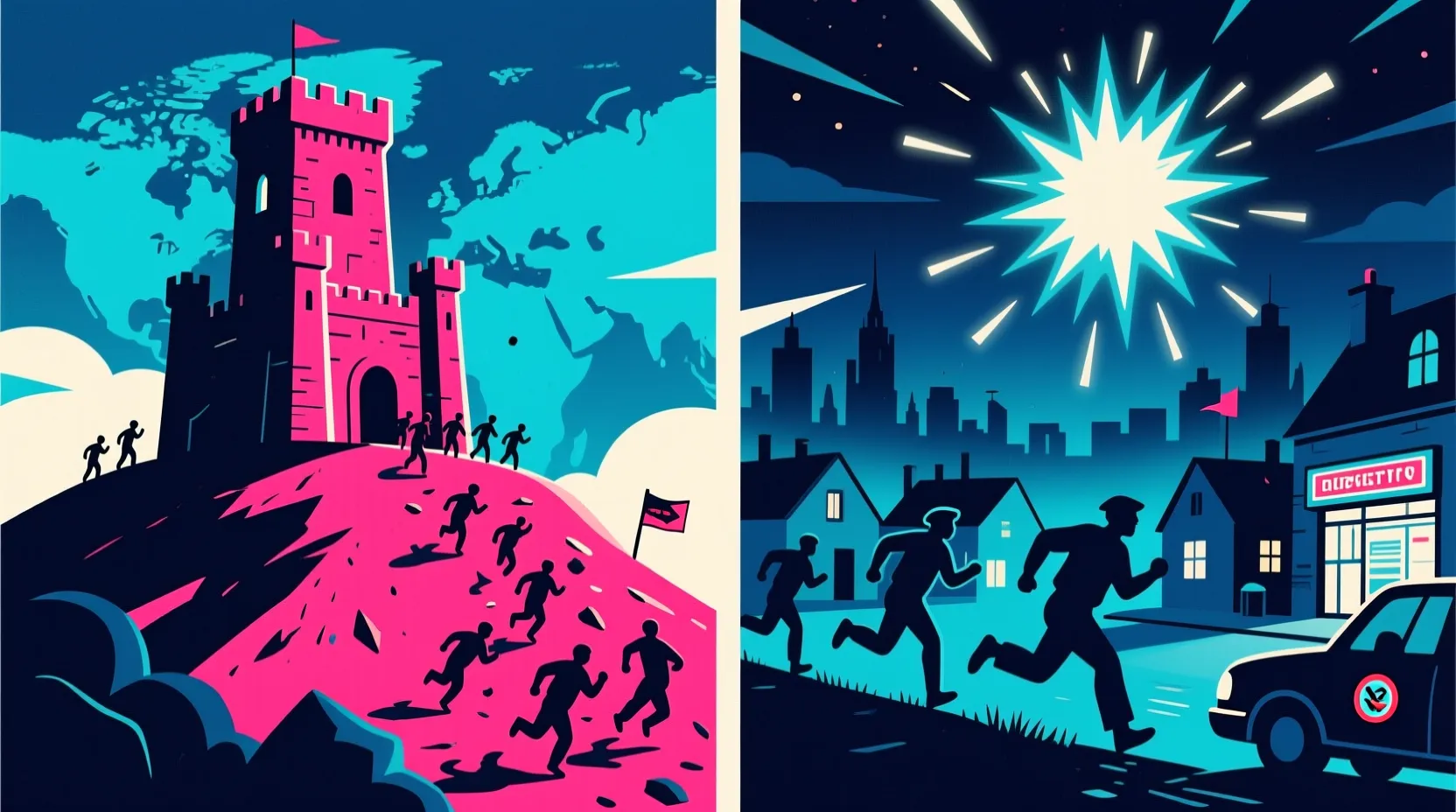
- At least 30 people, many of them young, died in a crowd crush at Citadelle Laferrière, a historic mountaintop fortress in Haiti.
- The incident happened during a weekend visit, with officials still assessing injuries and missing persons.
- In a separate development, Israeli strikes killed at least 18 in southern Lebanon, continuing a surge in violence that has killed more than 2,000 since March.
- Lebanon's Health Ministry reported the toll as cross-border attacks intensify amid regional instability.
Across the spectrum
What people are saying
A quick look at how the same story is being framed from different angles.
On the Left
The tragedies in Haiti and Lebanon reflect deeper global inequities-whether it's the lack of investment in public safety in marginalized nations or the unchecked military actions that disproportionately harm civilians. These events aren't isolated; they're symptoms of systems that fail the most vulnerable when oversight, funding, and diplomacy fall short.
In the Center
Both incidents highlight urgent operational challenges: crowd management at high-traffic cultural sites and the humanitarian impact of prolonged military strikes. While the contexts differ, each demands a clear-eyed assessment of safety protocols, emergency response, and the immediate need to protect civilian lives in high-risk environments.
On the Right
Ensuring public safety and national security requires strong, functional institutions. In Haiti, the tragedy underscores the need for better local planning and order. In Lebanon, the violence reaffirms the importance of robust defense measures and holding hostile groups accountable, even amid difficult circumstances.
Full coverage
What you should know
Over the weekend, a tragic crowd crush at Citadelle Laferrière, a towering 19th-century fortress in northern Haiti, left at least 30 people dead. Officials say many of the victims were young, and dozens more were injured or unaccounted for. The site, perched high in the mountains and visible for miles, draws large numbers of visitors, especially on weekends. But this time, a surge in the crowd turned deadly, with reports pointing to overcrowding and limited emergency response as factors.
The fortress, built after Haiti's revolution to defend against re-invasion, is a source of national pride and a UNESCO World Heritage site. But the country's weakened infrastructure and limited public safety planning made managing the crowd difficult. Local authorities are now reviewing what went wrong, though details remain sparse. With hospitals already strained, transporting and treating the injured proved a major challenge.
Meanwhile, in the Middle East, violence flared again as Israeli strikes hit multiple locations in southern Lebanon. At least 18 people were killed, according to Lebanon's Health Ministry, which has documented more than 2,000 deaths from Israeli attacks since early March. The strikes targeted areas near the border, where Hezbollah and Israeli forces have exchanged fire for weeks. Civilians bore the brunt, with homes, roads, and medical facilities damaged or destroyed.
The escalation in Lebanon is part of a broader regional crisis, with spillover from the ongoing conflict in Gaza continuing to destabilize neighboring areas. Aid groups warn that access to food, water, and medical care is worsening, especially in displaced communities. International calls for de-escalation have so far had little effect.
Though worlds apart, both tragedies underscore the risks faced by civilians when systems-whether for public safety or conflict prevention-fail. In Haiti, the crush highlights the gap between cultural significance and operational readiness at major sites. In Lebanon, it's another grim chapter in a mounting humanitarian toll.
There has been no official statement linking the two events, but their timing casts a harsh light on how vulnerable populations are caught in crises both natural and man-made. As investigations begin in Haiti and shelling continues in Lebanon, the focus remains on accountability, aid, and whether preventive measures can catch up with growing risks.
For now, families in both countries are mourning. In Haiti, some survivors describe chaos and confusion as the crowd surged. In Lebanon, rescue workers sift through rubble, often working under threat of further strikes. The human cost, in both places, is measured not just in numbers, but in lives upended.
About this author
Zwely News Staff compiles multi-source reporting into concise, viewpoint-aware coverage for readers who want context without noise.
Source Notes
At least 30 killed in crush at historic fortress in Haiti
Officials said many killed at popular tourist site were young, with more people reported injured or missingAt least 30 people, many of them young, have died and dozens more are reported to have been injured after a crush at a mountaintop fo...
At least 30 killed in Haiti stampede
At least 30 people are dead after a stampede in Haiti.
Israeli strikes kill at least 18 people across southern Lebanon
Lebanon's Health Ministry says more than 2,000 people have been killed in Israeli attacks since March 2.
Previous story
Euphoria is back with season 3, and the stakes feel higher than ever
Next story