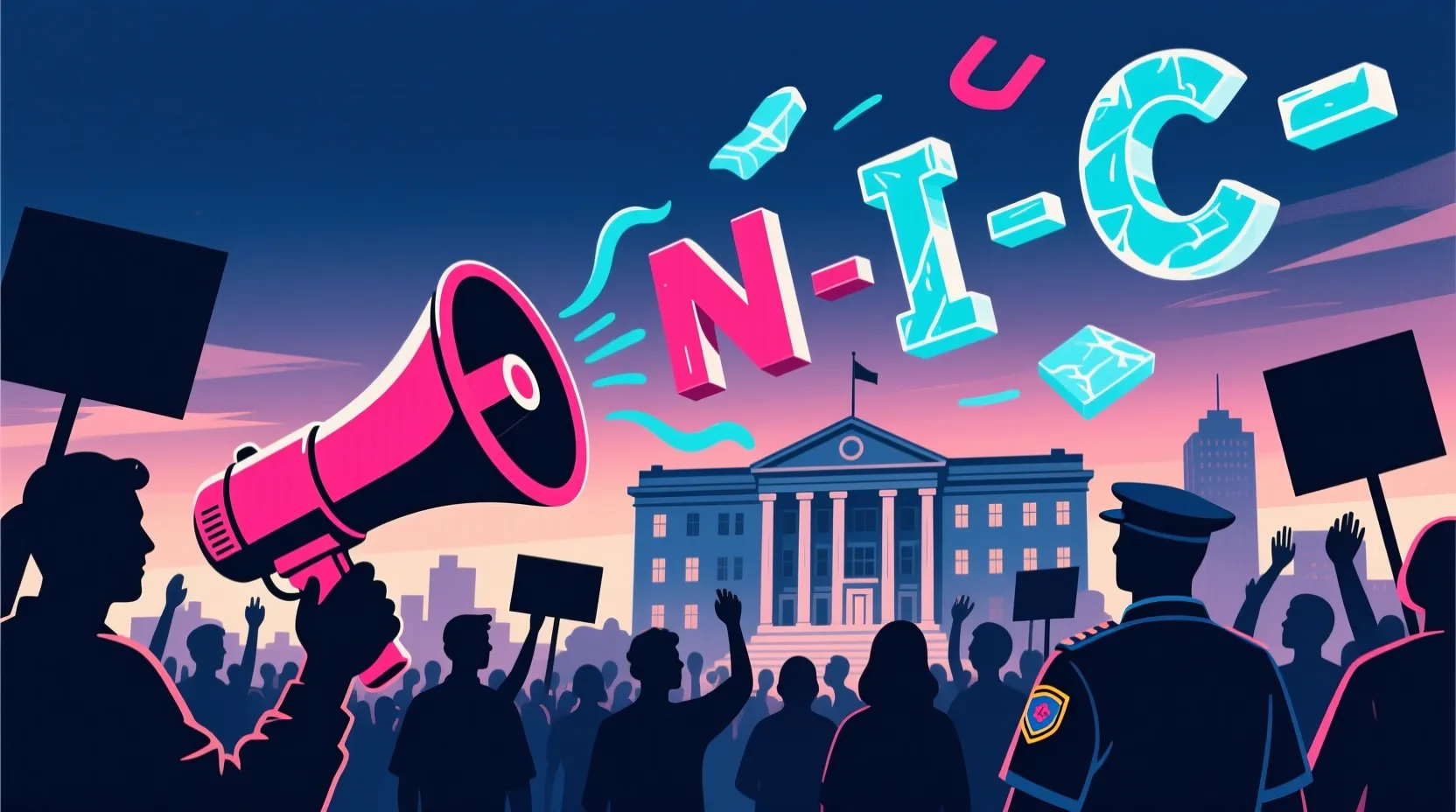
A tense week unfolds in Washington as Korea takes center stage
From human rights advocacy to diplomatic pressure, the spotlight is on North Korea's abuses and South Korea's response

At a glance
What matters most
- Human rights advocates describe the current moment as the most difficult in the history of the North Korea freedom movement
- A coordinated campaign in Washington aims to pressure both U.S. and South Korean leaders to prioritize human rights alongside security concerns
- South Korea's approach to the North-emphasizing diplomacy and stability-is under growing ethical and political scrutiny
- Events throughout the week include testimonies from defectors, congressional briefings, and public demonstrations
Across the spectrum
What people are saying
A quick look at how the same story is being framed from different angles.
On the Left
This week highlights the urgent need for a values-driven foreign policy. While stability matters, the U.S. and its allies shouldn't stay silent just to avoid upsetting Pyongyang. Human rights must be central to any engagement with North Korea, not an afterthought.
In the Center
Balancing humanitarian concerns with regional security is never easy. South Korea's cautious approach reflects real risks, but sustained advocacy in Washington can help ensure that human rights remain part of the broader diplomatic conversation.
On the Right
The free world can't afford to look away while a totalitarian regime starves and tortures its people. This week's push in Washington is a necessary corrective to years of failed diplomacy that prioritized empty promises over freedom.
Full coverage
What you should know
This week in Washington, Korea is more than a foreign policy item-it's a moral flashpoint. As the U.S. hosts a series of events focused on North Korea's human rights abuses, activists are sounding an urgent alarm. They say the situation inside the country has worsened, and international attention has waned, making this a pivotal moment for action.
Organizers behind what's being called a 'Week of Reckoning' have gathered defectors, lawmakers, and advocacy groups to highlight the ongoing repression in North Korea. One speaker called it 'the most challenging time in the history of the North Korea human rights movement,' pointing to tightened border controls, increased surveillance, and fewer successful escapes in recent years.
The campaign isn't just about raising awareness. It's aimed squarely at influencing policy. With South Korea maintaining a cautious diplomatic stance under its current leadership, some U.S. advocates worry that human rights are being sidelined in favor of regional stability. They want Washington to push its ally to take a stronger public stand.
Events include public vigils, Capitol Hill briefings, and emotional testimonies from those who fled the North. These personal stories are meant to counterbalance the often abstract nature of nuclear talks and military drills. For many attendees, the goal is to humanize a crisis that can feel distant, even as it simmers at the edge of global consciousness.
South Korea's government, while officially supportive of human rights efforts, has emphasized dialogue and deterrence over confrontation. Officials argue that aggressive rhetoric could destabilize the peninsula and harm any chance of future reunification. But critics say that approach lets Pyongyang off the hook too easily.
Meanwhile, U.S. lawmakers from both parties have expressed support for the week's events, though concrete policy shifts remain uncertain. Some are pushing for renewed sanctions targeting officials involved in rights abuses, while others want more funding for radio broadcasts and information smuggling into the North.
With tensions in the region remaining high and little sign of progress in denuclearization talks, this week's focus on human rights may not change the geopolitical landscape overnight. But for the survivors and advocates at the center of it, keeping the issue alive is its own form of resistance.
About this author
Zwely News Staff compiles multi-source reporting into concise, viewpoint-aware coverage for readers who want context without noise.
Source Notes
A Week Of Reckoning For Korea In Washington, Sunday April 26 – Saturday May 2, 2026
'This is the most challenging time in the history of the North Korea human rights movement'
This week on "Sunday Morning" (April 26)
A look at the features for this week's broadcast of the Emmy-winning program, hosted by Jane Pauley.
Previous story
Trump says the dinner shooter hated Christians and the attack could've been stopped with his ballroom
Next story