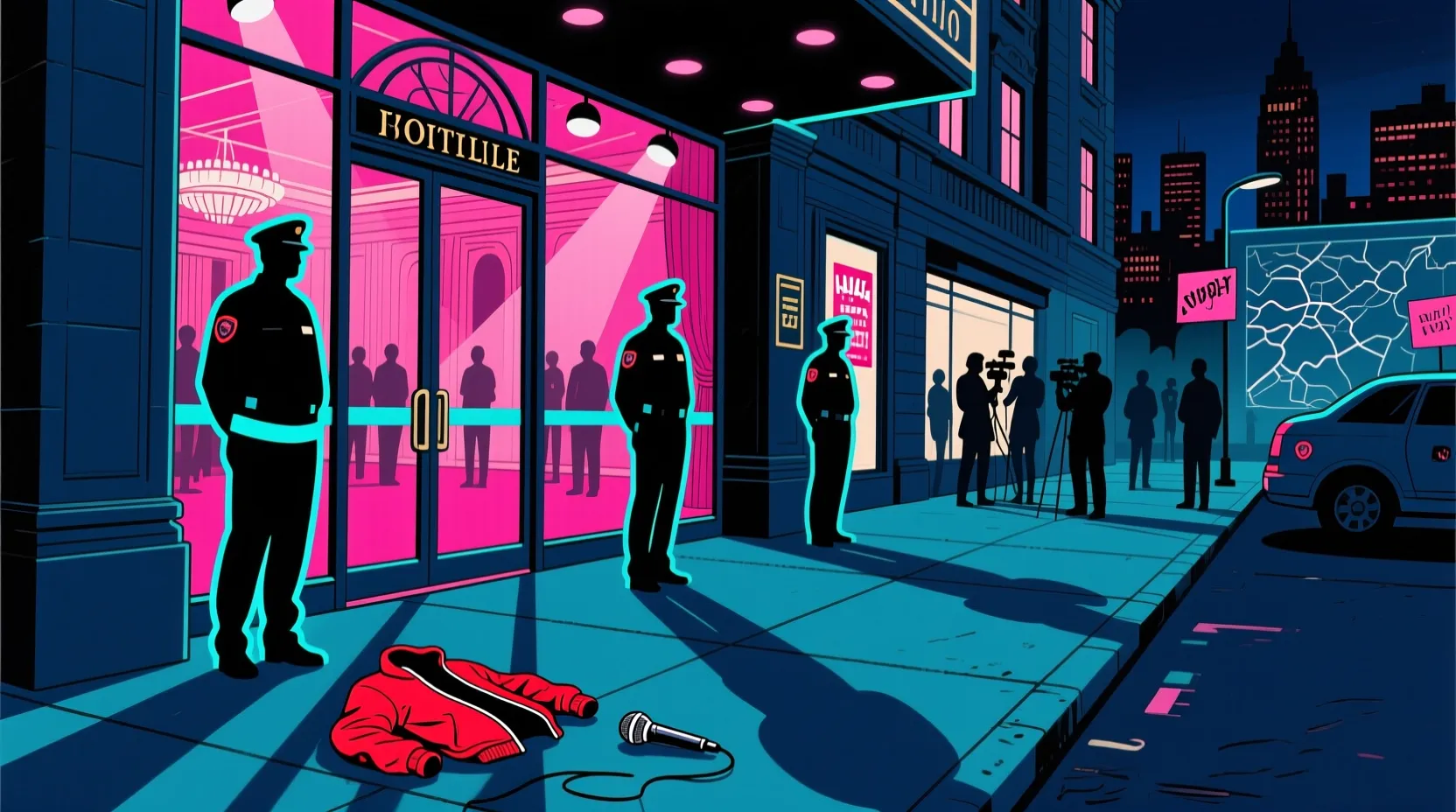
Appeals court allows Pentagon to require reporters to be escorted during access dispute
The ruling temporarily restores restrictions on unescorted media access, reigniting debate over press freedom at the Defense Department

At a glance
What matters most
- A federal appeals court says the Pentagon can require journalists to be escorted during the appeal of a policy limiting press access.
- The decision temporarily reinstates restrictions that were struck down by a lower court earlier this month.
- The case stems from a lawsuit by news organizations challenging the Defense Department's tightening of media access under Secretary Pete Hegseth.
- Press freedom groups warn the policy could hinder investigative reporting and create delays for time-sensitive coverage.
Across the spectrum
What people are saying
A quick look at how the same story is being framed from different angles.
On the Left
This ruling gives the Pentagon too much control over the press at a time when accountability matters most. Requiring escorts for reporters risks turning the Defense Department into a message-controlled zone, where inconvenient truths can be delayed or buried. It's not just about convenience-it's about whether the public gets honest information about military actions and spending.
In the Center
While the Pentagon has a legitimate interest in security and orderly operations, long-standing press access helps ensure transparency. The escort policy may be well-intentioned, but it changes the dynamic between journalists and sources. The courts need to balance both concerns as the legal process continues.
On the Right
The Pentagon has every right to manage who moves through its buildings, especially with sensitive operations underway. The idea that reporters should have unrestricted access is outdated and potentially dangerous. This policy helps protect national security and ensures the public gets accurate, coordinated information-not leaks or speculation.
Full coverage
What you should know
An appeals court has given the Pentagon the green light to require journalists to be escorted while on Defense Department grounds, as the government fights to uphold a controversial access policy. The decision, issued Monday, allows the restrictions to stay in place while the Trump administration appeals a lower court ruling that found the policy unlawful.
The policy, introduced last year under Defense Secretary Pete Hegseth, ended decades of relatively open access for credentialed reporters at the Pentagon. Previously, journalists with Pentagon press passes could move freely through much of the building. Now, they must be accompanied by a public affairs officer during visits-a change critics say slows down reporting and creates opportunities for oversight or delay.
The legal back-and-forth began when a coalition of news organizations, including The Associated Press and CNN, sued the Defense Department after several reporters were denied entry unless escorted. A federal judge sided with the press in early April, calling the policy arbitrary and a violation of First Amendment principles. But the appeals court's stay effectively pauses that decision, giving the Pentagon room to keep enforcing the rule for now.
Supporters of the policy argue it enhances security and ensures accurate messaging, especially during high-tension moments like military operations or diplomatic standoffs. They point to recent incidents where sensitive information was inadvertently captured on camera as justification for tighter controls.
But press advocates see it differently. They say the escort requirement gives the Pentagon more power to control narratives and could discourage sources from speaking on the record. The Reporters Committee for Freedom of the Press called the appeals court's decision disappointing but expected, noting the legal battle is far from over.
The case reflects a broader tension between government transparency and national security, one that has flared up under multiple administrations. While the Pentagon insists the policy isn't aimed at suppressing news, the practical effect may still chill coverage, especially for smaller outlets that can't afford to send reporters on short notice with advance coordination.
For now, journalists covering the Pentagon will have to plan ahead, schedule escorts, and work within tighter logistical constraints. The appeals court is expected to hear full arguments in the coming months, which could ultimately decide whether the escort rule stands or falls.
About this author
Zwely News Staff compiles multi-source reporting into concise, viewpoint-aware coverage for readers who want context without noise.
Source Notes
UK to appeal High Court ruling that granted Palestine Action a victory
The Home Office is challenging judges who ruled the proscription of the group as a terrorist organisation as unlawful
Pentagon can require reporters to be escorted during appeal process, judges rule
An appeals court has ruled that the Defense Department can require journalists to be escorted on Pentagon grounds while the Trump administration appeals a judge's decision to block its enforcement of a press access policy challenged by The...
Court revives Pentagon's ban on reporters having unescorted access
A federal appeals court on Monday allowed the Pentagon to reinstate its ban on journalists being able to enter the building without an escort, marking the latest in a back-and-forth battle between Defense Secretary Pete Hegseth and the pres...
Previous story
King Charles visits Washington and New York as US-UK ties face quiet strains
Next story