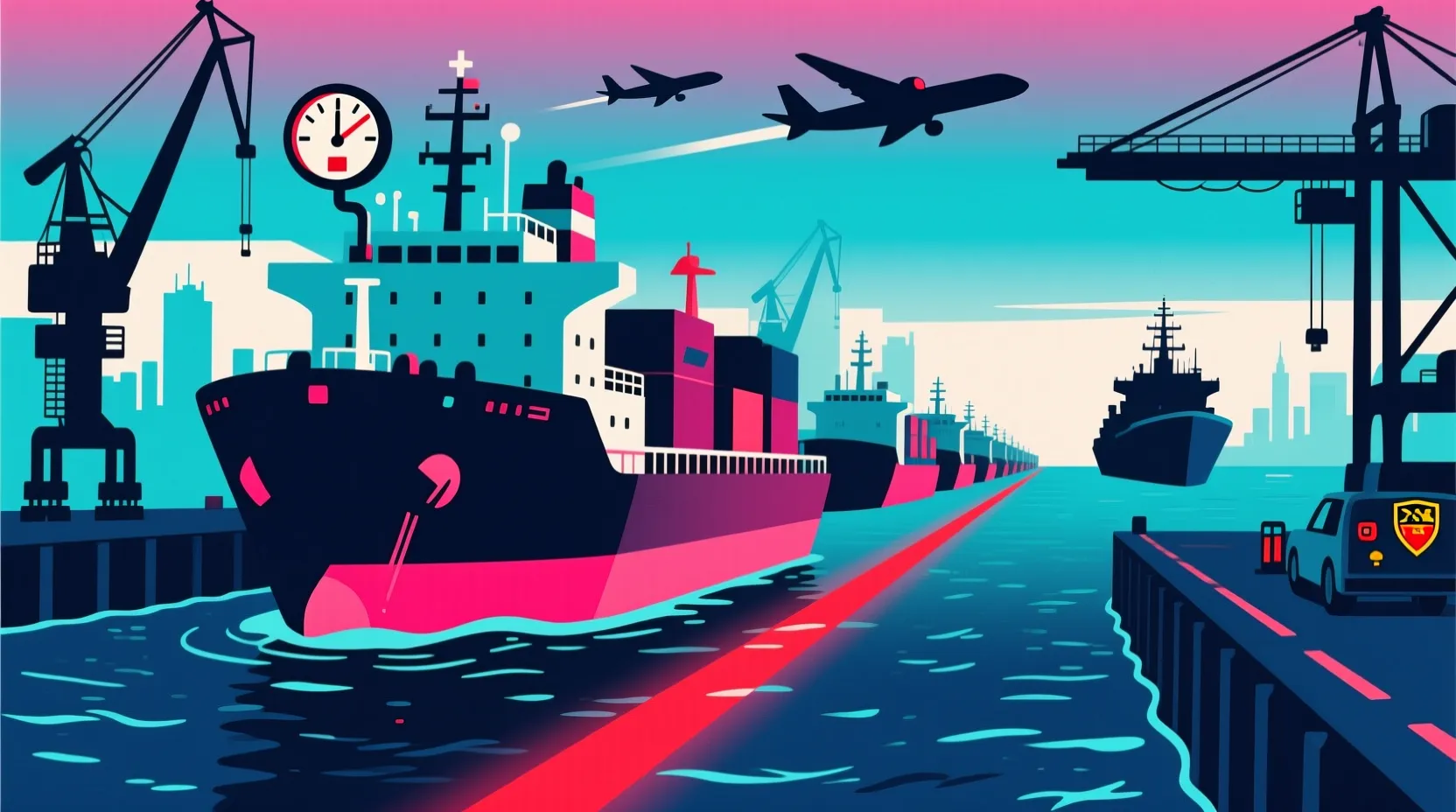
Iran and US still far from a deal as Strait of Hormuz stays closed
Talks continue, but tensions remain high in one of the world's most critical waterways
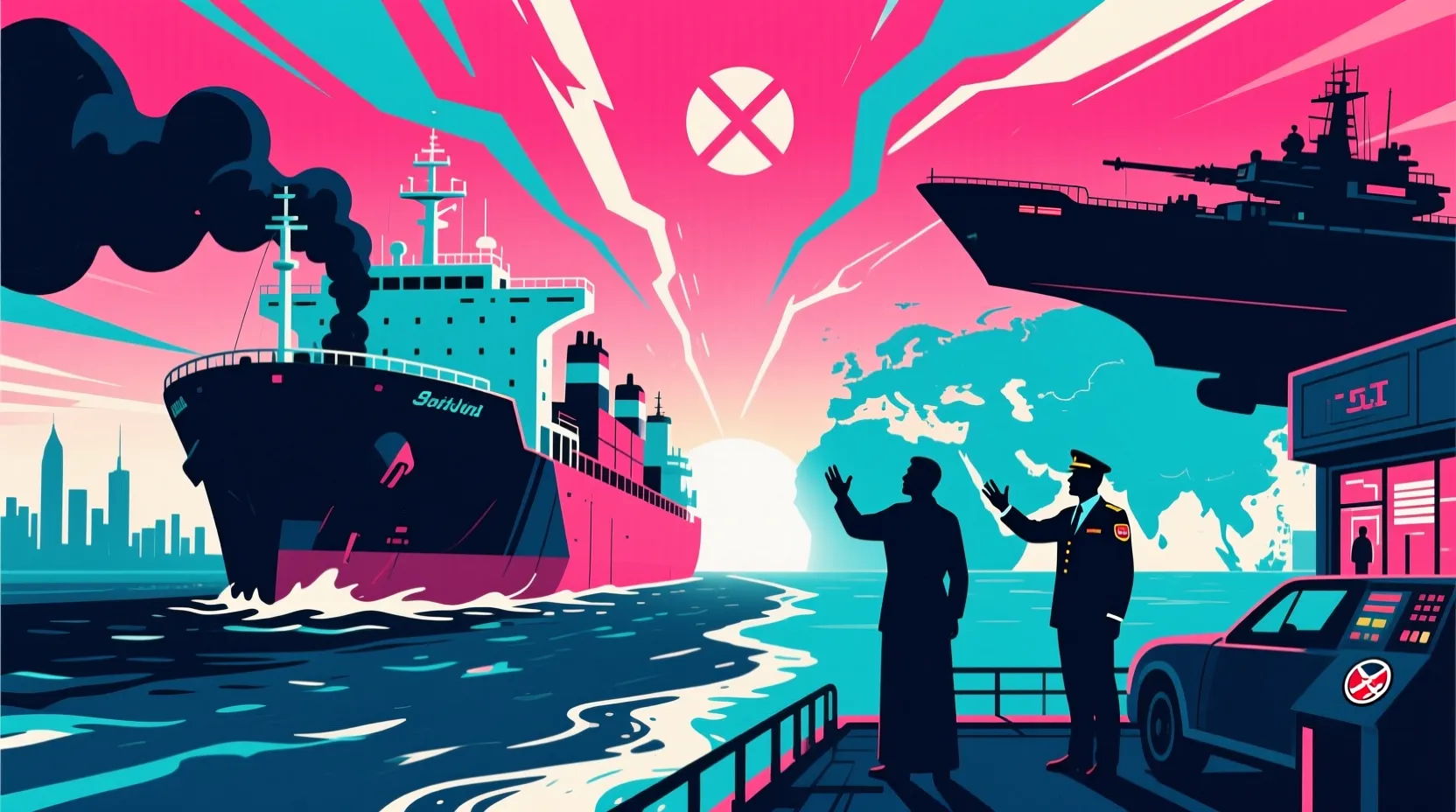
At a glance
What matters most
- Iran's parliament speaker says talks with the US are moving forward but remain far from a breakthrough.
- The Strait of Hormuz remains closed, disrupting global oil flows and raising pressure on both nations to reach a deal.
- President Donald Trump is taking public credit for the diplomatic push, saying his approach is forcing Iran to negotiate seriously.
Across the spectrum
What people are saying
A quick look at how the same story is being framed from different angles.
On the Left
The US should prioritize diplomacy over brinkmanship. Years of sanctions and military posturing have only deepened the crisis. To truly de-escalate, Washington needs to meet Iran halfway-starting with lifting sanctions to build trust and reopen vital trade routes.
In the Center
Both sides are showing signs of engagement, which is better than open conflict. But real progress will require tough compromises. The US may need to ease sanctions in phases, while Iran must commit to reopening the strait as talks advance.
On the Right
Trump's pressure campaign is working. Iran wouldn't be talking at all if not for strong US policies. Giving in now by lifting sanctions without guarantees would reward coercion and weaken America's position in future negotiations.
Full coverage
What you should know
Iran and the United States are still a long way from resolving their standoff over the Strait of Hormuz, even as both sides report some progress in behind-the-scenes talks. Iran's parliament speaker, Mohammad Bagher Ghalibaf, said Saturday that while discussions have advanced, there's no final agreement in sight. He added that Tehran remains ready for any escalation, underscoring the fragile state of negotiations.
The closure of the Strait of Hormuz, a narrow passage through which about a third of the world's seaborne oil travels, has rattled global markets for weeks. Iran insists the waterway will stay shut until the US lifts economic sanctions that have crippled its economy. That demand remains a major roadblock, with American officials hesitant to offer full relief without concrete security guarantees.
Despite the impasse, there are signs of cautious movement. Ghalibaf's comments suggest Iran is at least engaging in meaningful dialogue, a shift from earlier in the month when officials ruled out talks altogether. Diplomats familiar with the process say indirect negotiations, possibly mediated by regional partners, have helped keep channels open, though major gaps on timing and scope remain.
In Washington, President Donald Trump is framing the situation as a win for his administration's hardline stance. In a recent appearance, he claimed credit for bringing Iran to the table, saying his policies of maximum pressure are finally paying off. Columnist Tiana Lowe Doescher echoed that view, writing that Trump's long-standing approach to Iran has created the conditions for today's talks.
But analysts warn that calling the current situation a breakthrough could be premature. The fact that the strait remains closed-and that Iran is publicly preparing for renewed hostilities-suggests deep distrust still runs high. Any misstep could quickly derail the fragile momentum, especially with hardliners on both sides watching closely.
The longer the strait stays shut, the greater the pressure on global energy supplies. Oil prices have climbed steadily since the closure, and shipping companies are rerouting vessels at great cost. Some nations are tapping emergency reserves, while others are calling for urgent de-escalation to avoid a broader regional crisis.
For now, the focus remains on whether either side is willing to make the first move. Lifting sanctions or reopening the strait could unlock progress, but neither Iran nor the US appears ready to take that step without ironclad assurances. Until then, the world watches and waits, with a vital waterway still at a standstill.
About this author
Zwely News Staff compiles multi-source reporting into concise, viewpoint-aware coverage for readers who want context without noise.
Source Notes
Iran, US still ‘far’ from breakthrough amid Strait of Hormuz impasse
Tehran is 'fully prepared' for the US to resume hostilities at any moment, says Iran's parliament speaker Ghalibaf.
Middle East war live: Strait of Hormuz stays shut as Iran reports 'progress' in US talks
Iran’s parliamentary speaker said Saturday night that talks with the United States to end the war had made progress but remained far from an agreement, as Tehran said the crucial Strait of Hormuz would remain closed until Washington lifts i...
‘Donald Trump is the main character’: Tiana Lowe Doescher
Washington Examiner economics columnist Tiana Lowe Doescher said President Donald Trump has spent years engaged in efforts she believes are aimed at helping the United States, referencing the war in Iran. Doescher said she does not have sym...
Previous story
USMCA renewal gets a second look as global trade tensions ease
Next story