
Iran is now charging fees and offering safe passage through the Strait of Hormuz during the ceasefire
A temporary deal to reduce tensions has some worried about long-term consequences for global shipping
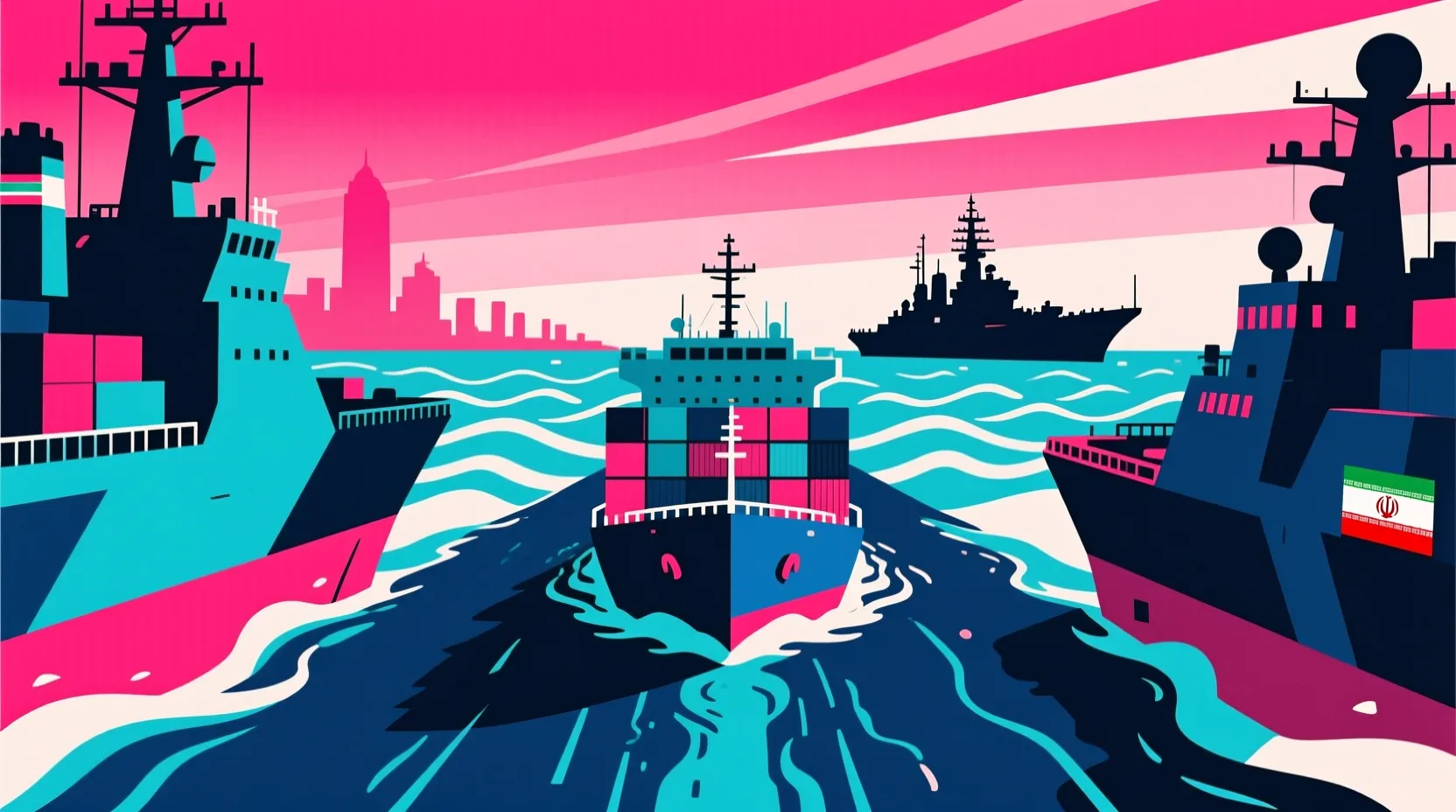
Iran has rolled out a new arrangement for commercial ships passing through the Strait of Hormuz: pay a fee, coordinate with Iranian forces, and receive military-backed safe passage. The policy was announced Tuesday by Iranian Foreign Minister Abbas Araghchi as part of a two-week ceasefire agreement with the United States and Israel. The strait, a narrow waterway between Iran and Oman, is one of the world's most critical oil transit routes, with about a fifth of global oil supply passing through it daily.
Under the new system, shipping companies must register their passage with Iranian authorities and pay a yet-to-be-disclosed fee in exchange for coordination and protection from the Iranian military. Tehran says the goal is to reduce the risk of miscalculation and ensure stability during the ceasefire. The U.S. and Israel have not confirmed whether they've agreed to the fee structure, but American officials have acknowledged the temporary arrangement is meant to prevent further escalation in the region.
The idea of a state charging for safe passage through a strategic waterway is unusual, though not unprecedented. Mona Yacoubian, a senior adviser at the Center for Strategic and International Studies, described the move on Bloomberg as a "huge concession"-one that gives Iran a formal role in managing maritime traffic it has long claimed to influence. She noted that while the arrangement may reduce immediate risks, it could embolden Iran to demand more leverage in the future.
Shipping and energy markets have reacted cautiously. Some tanker operators say they're willing to comply temporarily to avoid delays or threats, especially after years of heightened tensions, drone attacks, and seizures in the region. Others worry that normalizing payments to Iran could open the door to similar demands in other conflict zones or encourage further militarization of global trade routes.
U.S. defense officials have downplayed concerns, emphasizing that the arrangement is strictly time-limited and tied to the ceasefire. They say American naval forces remain active in the area and are monitoring all movements. Still, critics argue that allowing Iran to act as a de facto maritime authority-even briefly-risks legitimizing its influence in ways that could outlast the current truce.
The ceasefire itself, now in its third day, has brought a noticeable calm to the region. No attacks on ships or military assets have been reported since it began. Diplomats say the safe passage plan may be intended as a confidence-building measure, but its financial component has raised eyebrows. It's unclear how the fees will be collected or whether they'll be paid in dollars, euros, or another currency.
For now, the world is watching closely. The Strait of Hormuz has long been a flashpoint, and this new chapter-where safety comes with a price tag and coordination with a former adversary-adds a fresh layer of complexity to an already tense geopolitical landscape.
How The Story Is Framed
Left-leaning view
This arrangement risks rewarding coercion and could normalize paying protection money to governments with a history of destabilizing behavior. It might provide short-term calm, but it sets a troubling precedent that could encourage other actors to weaponize key trade routes for financial or political gain.
Centered view
While unusual, the plan may serve as a practical confidence-building measure during a fragile ceasefire. As long as it's temporary, transparent, and doesn't erode international maritime norms, it could help prevent accidents and reduce tensions in a high-risk zone.
Right-leaning view
The U.S. appears to be making significant concessions by allowing Iran to control and profit from a vital global waterway. This undermines deterrence and signals weakness, potentially encouraging Iran to demand even more in future negotiations.
Source Notes
Iran to charge fees and coordinate safe passage through Strait of Hormuz amid ceasefire
Iran said Tuesday it would guarantee the safe passage of ships through the Strait of Hormuz with Iranian military coordination as part of its two-week ceasefire with the United States and Israel. Iranian Foreign Minister Abbas Araghchi made...
Iran-Coordinated Safe Passage a 'Concession': Yacoubian
Mona Yacoubian, Senior Adviser of the Middle East Program at the Center for Strategic and International Studies, says the possibility of Iranian armed forces coordinating ships passing through the Strait of Hormuz could be seen as a "huge c...
Previous story
The Trump administration still wants to deport Abrego Garcia to Liberia
Next story