
Trump steps back from Iran strike but leaves a trail of questions in his wake
A two-week pause in military action calms tensions, but leaders and critics alike are asking what comes next
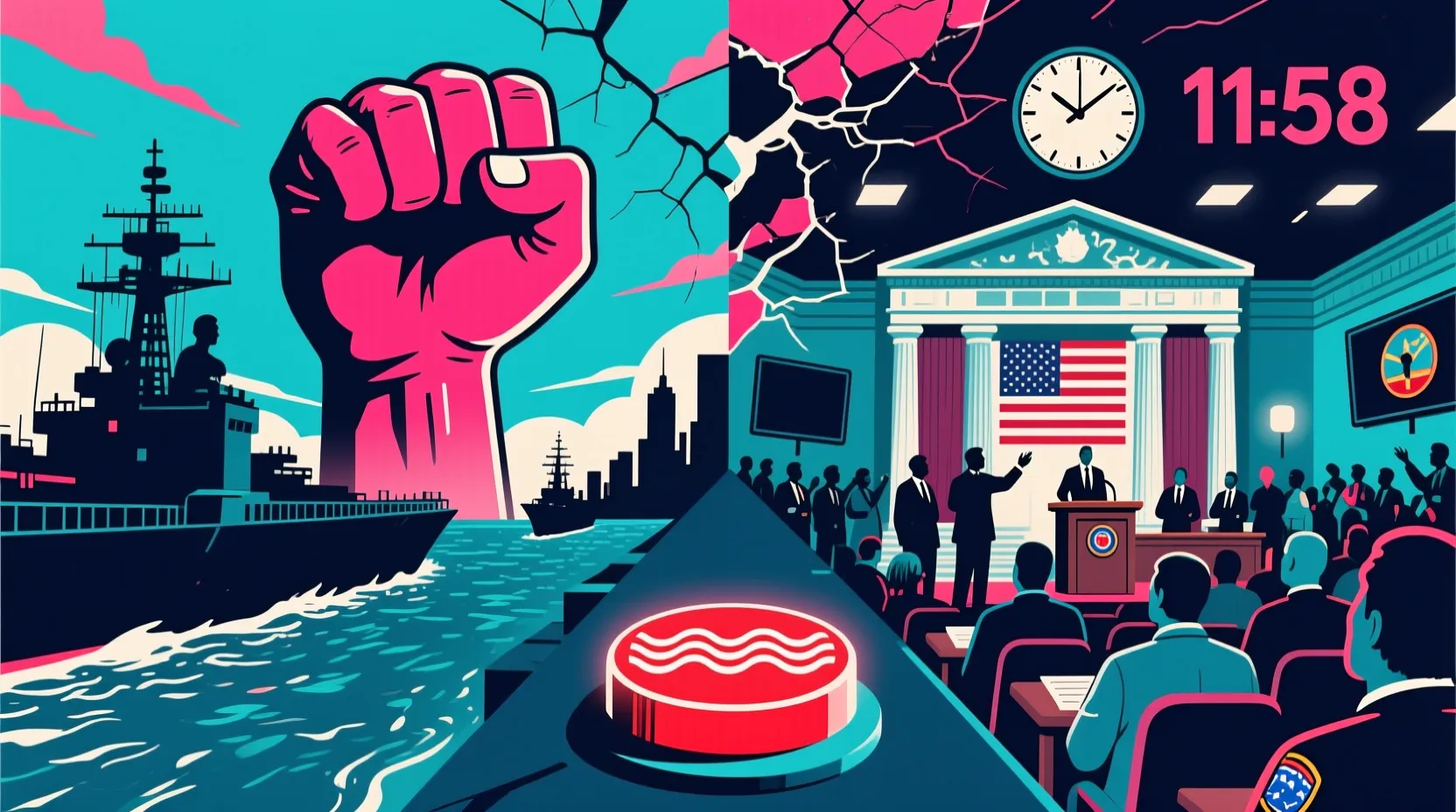
President Trump has called off planned military strikes on Iran for the next two weeks, stepping back from the brink of what could have been a major escalation in U.S.-Iran tensions. The move follows a brief but intense period of saber-rattling, including a now-infamous warning that "a whole civilization will die" if Iran did not comply with U.S. demands. While the pause has been welcomed by allies and some members of Congress, it has also deepened confusion over the administration's actual goals and strategy in the region.
The decision comes after Iran reportedly signaled a willingness to avoid direct confrontation, though there's little evidence of any major policy shift on the ground. The Strait of Hormuz remains a flashpoint, with naval forces from both sides maintaining a high state of alert. Analysts say the temporary ceasefire may have bought time, but it hasn't resolved the core disagreements over nuclear ambitions, regional influence, or sanctions.
Republican Senator Lisa Murkowski was among the first to publicly rebuke the president's tone, calling his threat "reckless" and "unbecoming of any American leader." Her comments reflect growing unease among some traditional foreign policy voices in both parties, who worry that unpredictable rhetoric could undermine diplomacy and embolden adversaries. Other lawmakers have asked for a fuller briefing on the administration's legal and strategic rationale for the planned strikes.
At home, the episode has reignited debate over how much power any president should wield in matters of war and peace. Critics point out that no formal authorization was sought from Congress, and some are now pushing for renewed limits on executive military action. The pause gives legislators a window to press those questions, though momentum for reform remains uncertain.
Meanwhile, progressive voices have tied the foreign policy move to broader concerns about domestic priorities. Some argue that the focus on military posturing distracts from urgent needs at home, like healthcare, education, and infrastructure. They warn that national security rhetoric has often been used to justify cutting social programs, and see this moment as part of a longer pattern.
On the right, some outlets have downplayed the Iran situation entirely, shifting attention to other administration efforts, like changes to federal land use and golf course management in Washington, D.C. While seemingly unrelated, these stories are framed by supporters as part of a larger fight against bureaucratic inertia and elite control.
For now, the region is quieter, but the underlying tensions haven't gone anywhere. The two-week window gives diplomats space to work, but with no clear roadmap forward, many are watching not just what Iran does next-but how the president chooses to respond.
How The Story Is Framed
Left-leaning view
Trump's threats are part of a pattern of using foreign conflict to divert attention from domestic failures. The real danger isn't just war abroad-it's the erosion of social programs at home under the cover of national security panic.
Centered view
Pausing military action was the right call, but the administration's erratic messaging has damaged credibility. Long-term stability requires a clear, consistent strategy, not last-minute reversals driven by emotion.
Right-leaning view
Trump's tough stance forced Iran to blink first, proving that strength works where diplomacy has failed. The pause is a tactical win, showing pressure can yield results without firing a shot.
Source Notes
Trump Backs Down, but Questions Remain Over Iran and the Strait of Hormuz
President Trump’s short-term intimidation may have worked, but the fundamental divides with Iran are as sharp as they were in February.
Murkowski: Trump Iran threat ‘cannot be excused away’
Republican Sen. Lisa Murkowski on Tuesday slammed President Trump for threatening that “a whole civilization will die” in Iran, before he backed off and suspended strikes on the Middle Eastern country for two weeks. “The President’s threat...
Short Term Pain, Long Term Gain: Trump’s Crusade Against DC Golf Org Is One War We Desperately Need
Make DC Golf Great Again
The Iran war’s second front is at home
The president's war is the right's long-awaited excuse to gut education, health care and the social safety net
Previous story
Cats: The Jellicle Ball is a joyful, queer reimagining of a Broadway classic
Next story