
Iran says it won't show up for Trump's Pakistan peace talks
Tehran refuses to negotiate while U.S. maintains military pressure in the Gulf
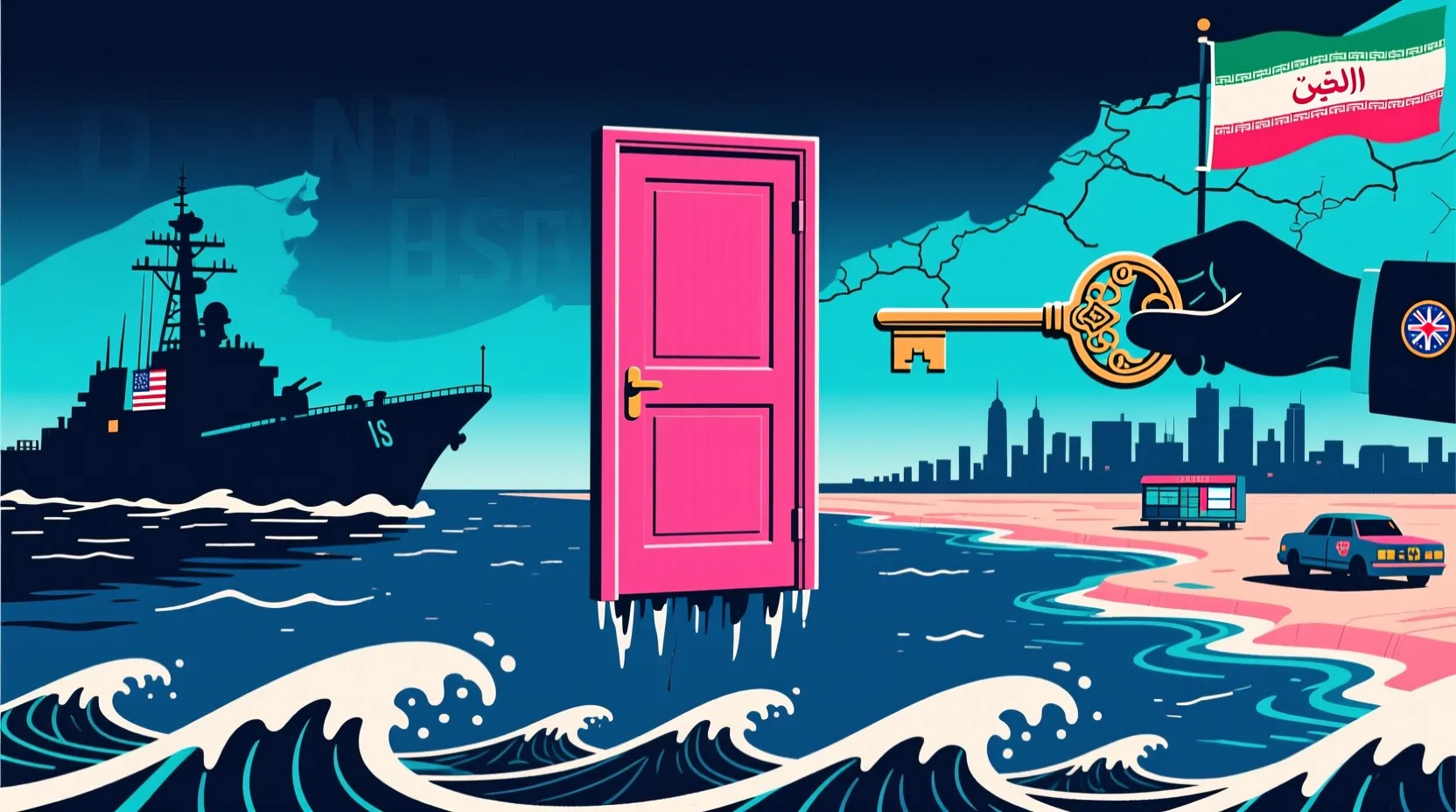
At a glance
What matters most
- Iran says it will not attend peace talks in Pakistan, calling the U.S. blockade in the Strait of Hormuz a coercive tactic.
- The talks were announced by President Trump, who insists the U.S. will maintain military pressure until Iran agrees to negotiate.
- Analysts warn the diplomatic impasse could prolong regional tensions and keep global oil markets on edge.
- Despite the administration's push for dialogue, Iran views the conditions as one-sided and refuses to engage under current terms.
Across the spectrum
What people are saying
A quick look at how the same story is being framed from different angles.
On the Left
The U.S. strategy of maximum pressure isn't diplomacy-it's coercion wrapped in the language of peace. By demanding Iran show up under military threat, the administration is ensuring no real dialogue can happen. This approach plays well to a base that wants toughness, but it's making the region less safe and American drivers pay more at the pump.
In the Center
Iran's refusal to engage is predictable given the current conditions, but the U.S. also risks overplaying its hand. Diplomacy requires both pressure and openings. Right now, there's pressure on one side and silence on the other. Without mutual concessions, the standoff could drag on with no winner-just higher costs for everyone.
On the Right
Trump is right to stand firm. Iran has spent years destabilizing the region and advancing its nuclear ambitions. If they won't talk unless all pressure is lifted, that's a sign they only respond to strength. Walking back sanctions or military posture now would reward bad behavior and undermine U.S. credibility.
Full coverage
What you should know
Iran has made it clear it won't be showing up for the peace talks President Trump announced last week in Islamabad. Citing what it calls an atmosphere of coercion, Iranian officials said over the weekend that they won't negotiate while the U.S. maintains a naval blockade near the Strait of Hormuz. The move deepens the stalemate between Washington and Tehran, just days before the much-publicized meeting was expected to take place.
The Trump administration has framed the Pakistan-hosted talks as a breakthrough opportunity to de-escalate months of rising tensions. But Tehran sees it differently. Iranian state media emphasized that no meaningful dialogue can happen "under the shadow of threats," a direct reference to the U.S. military presence and economic restrictions currently in place. That stance lines up with earlier statements from Iranian leaders rejecting what they describe as forced diplomacy.
President Trump, for his part, has doubled down. He reiterated in recent remarks that the blockade will stay until Iran comes to the table on U.S. terms. His administration argues that the pressure is necessary to bring Iran into negotiations over its regional activities and nuclear program. But critics say the strategy is backfiring, with some suggesting it's strengthening hardliners in Tehran while driving up global oil prices.
The refusal to attend isn't just symbolic-it raises real questions about whether the talks can move forward at all. Pakistan, which agreed to host the meeting, has so far stayed neutral, urging both sides to find common ground. But without Iran's participation, the event risks becoming a public relations effort rather than a diplomatic one.
Behind the scenes, there are signs of frustration within U.S. foreign policy circles. Some officials acknowledge that the administration may have overestimated its leverage. While the blockade has disrupted Iranian oil exports, it hasn't forced major policy shifts in Tehran. Instead, it's contributed to jittery energy markets, with gasoline prices in the U.S. remaining stubbornly high-a growing concern as midterm elections approach.
Outside analysts say the current approach lacks a clear off-ramp. "You can't demand negotiations while simultaneously ruling out concessions," said one Middle East expert not affiliated with the administration. "At some point, both sides have to believe they're walking into a room as equals, not captives."
For now, the path to diplomacy looks blocked from both ends. Iran insists on the lifting of sanctions and an end to military posturing before talks begin. The White House insists Iran must make the first move. With neither side blinking, the Islamabad meeting may go down as a missed opportunity-unless something shifts in the next 48 hours.
About this author
Zwely News Staff compiles multi-source reporting into concise, viewpoint-aware coverage for readers who want context without noise.
Source Notes
Iran Claims It Will Not Join Pakistan Peace Talks
Iranian state media reported on Sunday night that Tehran is not planning to attend peace talks announced by President Donald Trump and scheduled for Islamabad, Pakistan, on Tuesday. The post Iran Claims It Will Not Join Pakistan Peace Talks...
Iran war live: Tehran spurns talks under threats; Trump says blockade stays
Iran says will not accept negotiations 'under the shadow of threats', as Trump promises to continue blockade in Hormuz.
The Memo: Despite Trump’s claims, Iran war is doing him damage
A new round of peace talks on Iran is tentatively set for this week in Islamabad, Pakistan — but there is growing evidence that President Trump has sustained political injury from the conflict that will not be easily undone. Trump and key a...
Trump administration pushes back on claims that cuts to global HIV program have cost more lives
Trump administration officials are putting forward new data that shows U.S. federal anti-HIV/AIDS funding has continued to curb the worldwide epidemic despite accusations from outside public health experts that the program was damaged when...
Previous story
Trump's labor secretary steps down amid misconduct probe
Next story