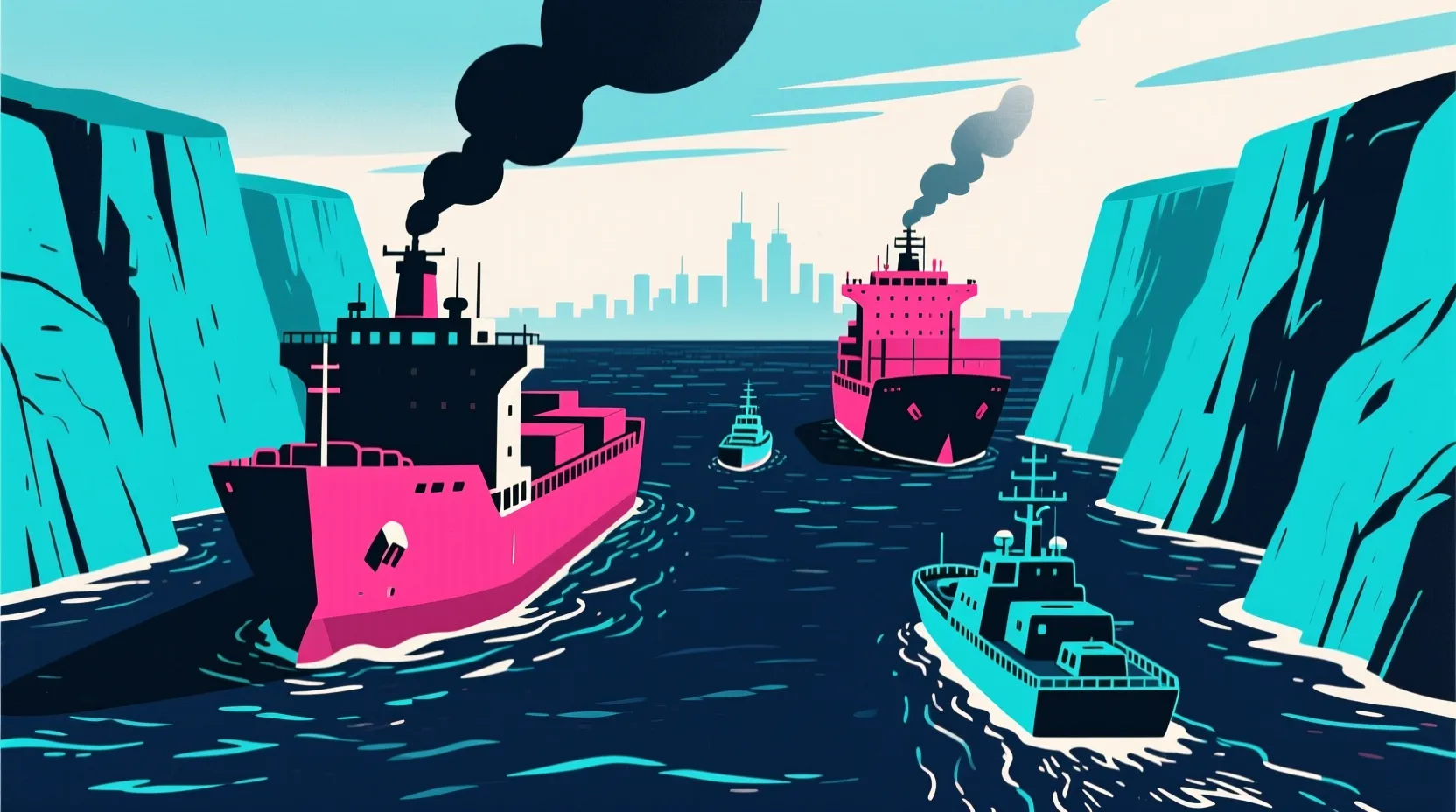
Iran seizes two ships in the Strait of Hormuz just after US extends ceasefire
The move threatens to unravel fragile peace efforts and raises tensions in one of the world's most critical oil shipping lanes.
At a glance
What matters most
- Iran seized two cargo ships in the Strait of Hormuz shortly after the US said it would extend its ceasefire to allow peace talks to continue.
- One vessel was reportedly damaged by gunfire from Iranian Revolutionary Guard boats, though no injuries were reported.
- The attacks come as thousands of additional US troops are being deployed to the region, escalating military presence amid fragile diplomacy.
- The Strait of Hormuz is a critical global oil transit route, and disruptions could impact energy markets worldwide.
Across the spectrum
What people are saying
A quick look at how the same story is being framed from different angles.
On the Left
Iran's actions are a predictable response to years of US military pressure and sanctions. Rather than rushing to deploy more troops, the US should double down on diplomacy and address the root causes of instability in the region. Escalation only benefits hawkish interests and puts civilian lives and global markets at risk.
In the Center
The seizure undermines a rare opening for diplomacy and threatens a critical global chokepoint. While Iran has a history of using maritime pressure as leverage, doing so just after a ceasefire extension damages its credibility. The US must respond firmly but carefully to avoid war while protecting international shipping.
On the Right
This is yet another example of Iran exploiting US attempts at peace to advance its aggression. Extending a ceasefire without concrete concessions only invites further provocation. The US must respond with strength-militarily if necessary-to protect its interests and show that attacks on global trade will not be tolerated.
Full coverage
What you should know
Iran has seized two commercial ships in the Strait of Hormuz, a move that comes just hours after the United States announced it would extend a fragile ceasefire aimed at opening peace talks. The timing has raised alarms in Washington and among global allies, as the seizure appears to undercut diplomatic progress and risks reigniting broader conflict in the region.
According to reports, Iranian Revolutionary Guard naval units fired on at least two cargo vessels transiting the narrow waterway on Wednesday. One ship sustained damage from gunfire, though there were no reported injuries. The vessels were later taken into Iranian custody, with Tehran offering no immediate explanation for the action. The Strait of Hormuz is one of the world's most vital oil shipping lanes, with about a fifth of globally traded oil passing through it daily.
The incident follows President Donald Trump's announcement that the US would extend its ceasefire with Iran indefinitely to create space for negotiations. That decision was seen as a potential turning point after months of rising tensions, including drone strikes, cyberattacks, and naval standoffs. But Iran's actions now cast doubt on whether its leadership is committed to diplomacy or using the pause to regroup.
In response, the US is accelerating military deployments to the region. Thousands of additional troops are en route, along with naval assets and air support, signaling Washington's readiness to protect shipping lanes and respond to further aggression. Officials stress that the buildup is defensive but acknowledge it could heighten the risk of miscalculation.
International reactions have been swift. European allies have called for restraint and urged both sides to return to dialogue. Energy markets are watching closely-oil prices ticked upward in early trading as traders weigh the potential for supply disruptions. Shipping firms are assessing whether to reroute vessels, though doing so adds time and cost.
Analysts say the situation remains volatile. While the US insists it wants peace, it's also making clear it won't tolerate threats to global commerce. Iran, meanwhile, may be testing how far it can push without triggering a full military response. The coming days could determine whether diplomacy still has a chance or if the region is sliding back into open confrontation.
For now, the waters of the Strait remain tense. The seized ships sit in Iranian hands, their crews' fates uncertain. And the world waits to see whether words or weapons will shape the next chapter.
About this author
Zwely News Staff compiles multi-source reporting into concise, viewpoint-aware coverage for readers who want context without noise.
Source Notes
Iran says it has seized two ships in Strait of Hormuz after U.S. extends ceasefire
The attacks come shortly after President Donald Trump said the U.S. would extend the ceasefire with Iran to allow peace talks to continue.
Iran fires on multiple ships in Strait of Hormuz after ceasefire extension
Two cargo vessels traveling in the Strait of Hormuz were fired upon by Iranian Revolutionary Guard boats on Wednesday. One of the ships was damaged in the attacks, but there were no reported injuries or fatalities from the gunfire in either...
Iran attacks ships in Strait of Hormuz after Trump extends ceasefire
Iran renews attacks in the Strait of Hormuz after Trump says he's extending a ceasefire indefinitely, as thousands more U.S. forces head for the region.
Previous story
Kevin McGurn steps in as Trump Media's new CEO, trying to steady a rocky ship
Next story