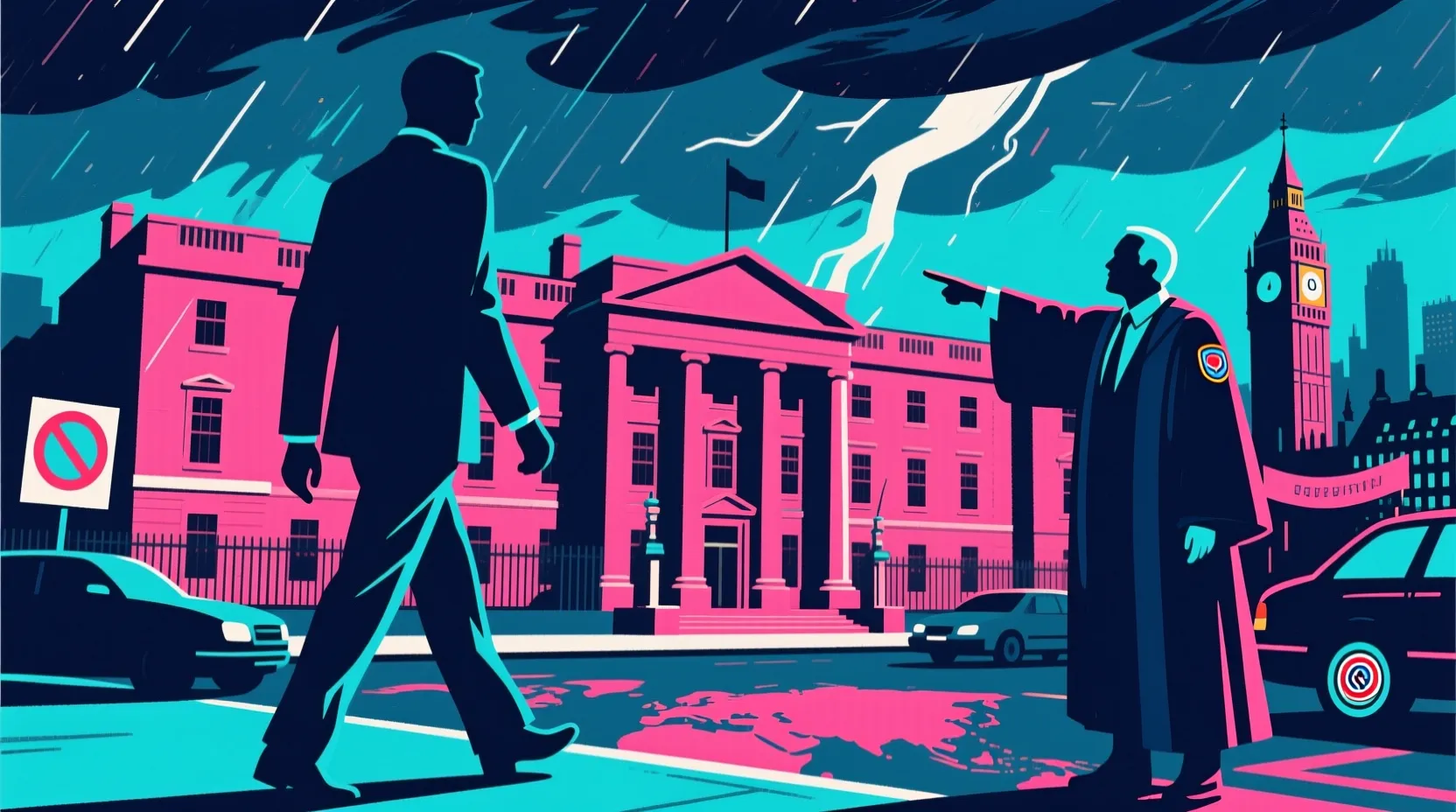
Trump's push to lower drug prices is gaining momentum, but some allies worry it could complicate his pro-life image
The president's latest move to cap medication costs is popular with voters, yet stirring quiet concern among conservative Christians
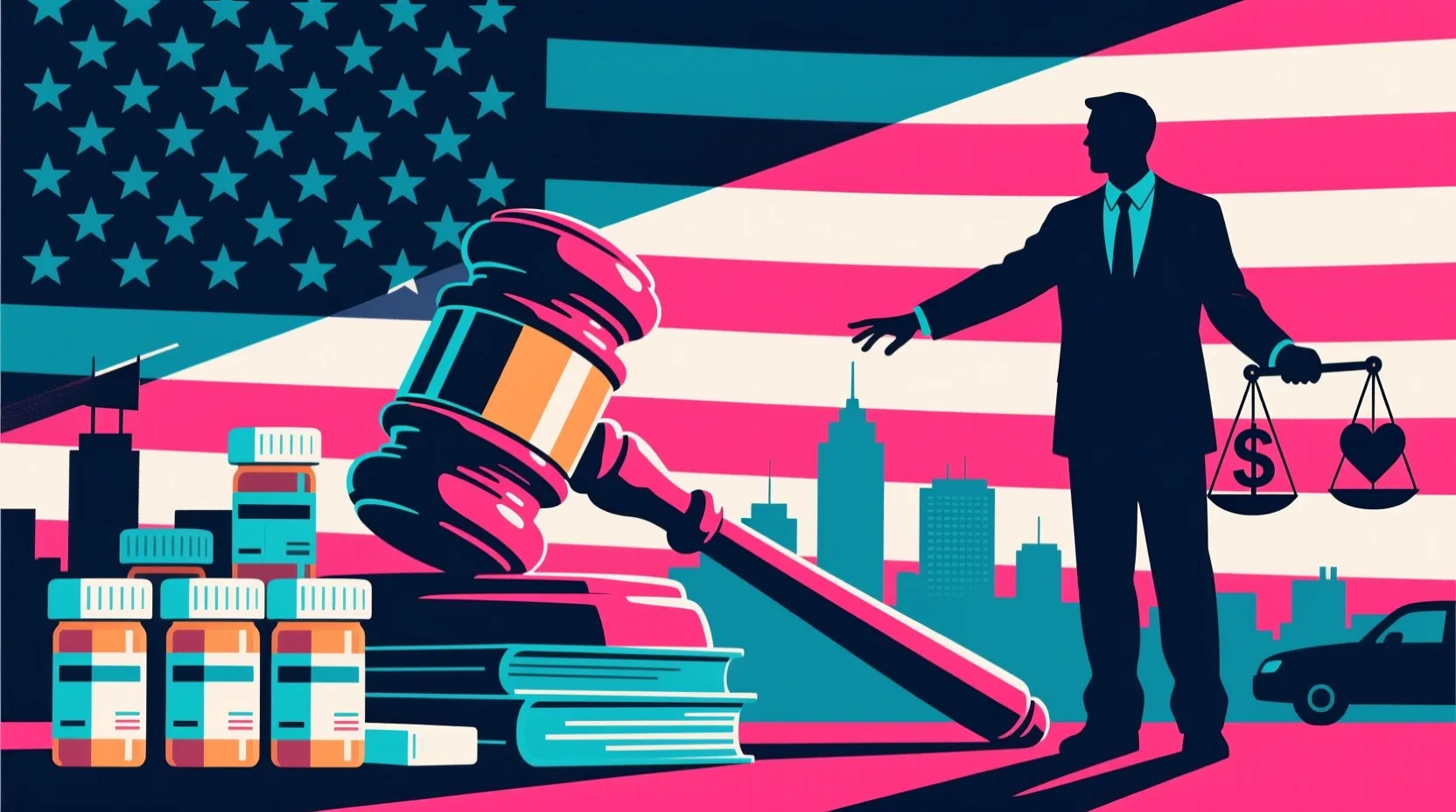
At a glance
What matters most
- Trump is pushing to lower prescription drug prices by requiring the U.S. to pay no more than the lowest price charged in other major countries.
- The policy has drawn support from voters frustrated by high medication costs, especially for insulin and cancer treatments.
- Some conservative Christian leaders are worried the plan could indirectly support healthcare systems that fund abortion abroad.
- The debate highlights a tension within the right between economic populism and moral-conservative priorities.
Across the spectrum
What people are saying
A quick look at how the same story is being framed from different angles.
On the Left
Trump's drug pricing plan, while framed as populist, is a recycled policy that sidesteps deeper structural issues in the pharmaceutical industry. His focus on foreign price comparisons ignores the fact that other countries negotiate aggressively because they have single-payer systems-the kind Trump has consistently opposed. The moral concerns raised by conservatives are a distraction from the real issue: letting drug companies off the hook while making symbolic gestures at reform.
In the Center
The policy could bring real savings to patients and pressure drugmakers to justify high prices, which is a win for affordability. At the same time, the ethical concerns from pro-life advocates deserve serious consideration, especially when U.S. policy intersects with foreign healthcare systems. If safeguards are clear and enforceable, the two goals don't have to be in conflict.
On the Right
Trump is delivering on a promise to put American patients first by challenging a rigged system that overcharges seniors and working families. The backlash from some pro-life voices is overblown-this policy doesn't fund abortion, and the administration has every right to ensure taxpayer dollars aren't inflating drug prices. Economic patriotism and life ethics can coexist when policies are properly designed.
Full coverage
What you should know
President Donald Trump is making another high-profile push to lower prescription drug prices, reviving a 'most favored nation' policy that would tie what Americans pay to the lowest price in five major allied countries. The move, part of a broader effort to deliver on campaign promises about healthcare affordability, has reignited debate not just among economists and drugmakers, but within his own political base.
The idea isn't new-Trump first floated it during his previous term-but now, with rising public frustration over medication costs, the plan is gaining fresh traction. Recent legislation signed by the president aims to increase transparency in how pharmacy benefit managers set prices, and this latest step targets high-cost drugs like insulin, rheumatoid arthritis treatments, and certain cancer medications.
Supporters say the policy could save Medicare billions and bring long-overdue relief to patients. "This is about fairness," said one senior administration official. "Why should Americans pay twice as much for the same pill just because of where it's made or who's selling it?"
But behind the scenes, some conservative Christian leaders are sounding cautious notes. Their concern isn't about the economics-it's about ethics. They worry that by aligning U.S. payments with countries like Canada, the UK, or Germany, the policy could indirectly tie American funds to healthcare systems that include public funding for abortion.
These critics aren't calling for the plan to be scrapped, but they're urging the administration to add stronger conscience protections. "We've made historic gains in protecting life," said one faith-based policy advisor close to the administration. "We can't afford to undermine that with well-meaning but poorly guarded policies."
White House officials counter that the policy includes strict safeguards to ensure no U.S. dollars support abortion services abroad. They also point out that the drugs being targeted are not connected to reproductive health, and that the savings could be reinvested in maternal care and other pro-life initiatives at home.
Still, the tension reflects a broader challenge for Trump as he seeks to balance populist economic messaging with the values of his core supporters. As one political analyst put it, "He's trying to be the president for both the wallet and the soul-and sometimes, those don't line up."
About this author
Zwely News Staff compiles multi-source reporting into concise, viewpoint-aware coverage for readers who want context without noise.
Source Notes
Trump’s ‘Most Favored Nation’ drug pricing push risks undermining pro-life legacy
President Donald Trump’s work to lower prescription drug costs for patients will undoubtedly be one of his most significant legacies. From the legislation he recently signed to increase transparency among pharmacy benefit managers to the hi...
Trump reads Bible verses on repentance after AI image of himself as Jesus
US President Donald Trump has read a Bible passage about punishment and national repentance as part of a marathon event.
Previous story
Iran seizes two ships in the Strait of Hormuz just after US extends ceasefire
Next story