Oil prices jump as US-Iran peace talks fall apart and tensions flare
With diplomacy stalling, markets react to fresh risks in the Middle East
At a glance
What matters most
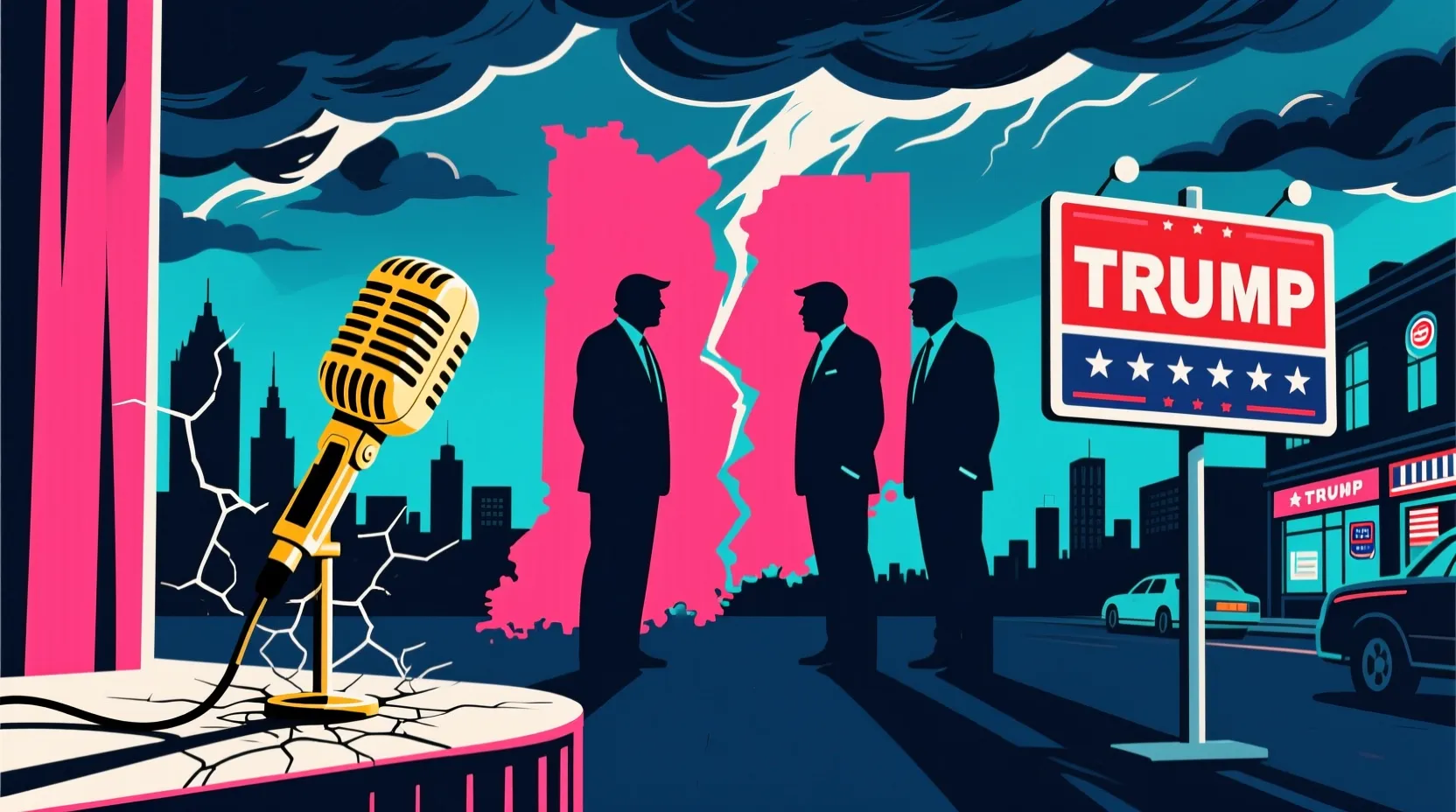
- U.S.-Iran peace talks have stalled, with President Trump canceling a planned diplomatic mission to Pakistan.
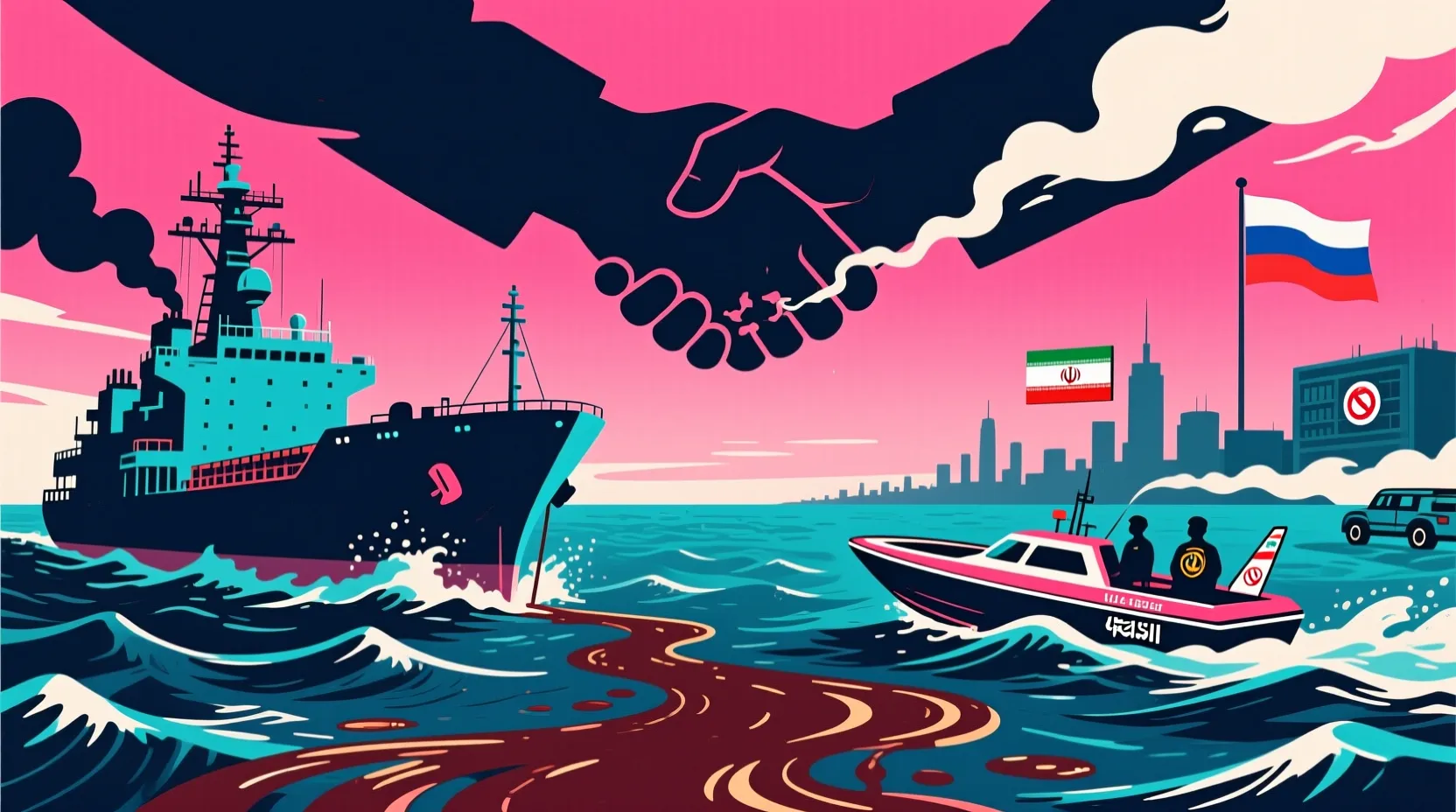
- Oil prices are rising amid fears of supply disruptions, especially through the Strait of Hormuz.
- Iran's foreign minister met with Vladimir Putin as diplomatic options narrow.
- The U.S. is reportedly blocking dollar shipments to Iraq to pressure it on Iran-backed militias.
Across the spectrum
What people are saying
A quick look at how the same story is being framed from different angles.
On the Left
The collapse of diplomacy reflects a broader failure of aggressive foreign policy. By canceling talks and cutting off funds to Iraq, the U.S. is escalating tensions instead of pursuing peace. With climate and economic justice at stake, relying on military and financial pressure only deepens instability and hurts ordinary people most.
In the Center
Diplomacy appears to be at a breaking point, and the lack of progress is raising real risks for global energy markets and regional stability. While pressure tactics may aim to strengthen leverage, they also increase the chance of miscalculation at a time when communication channels are already thin.
On the Right
The U.S. is right to take a hard line with Iran and its proxies. Past negotiations have failed because Iran exploited diplomacy to advance its agenda. By cutting off financial support to Iraq and standing firm, the administration is sending a clear message that aggression won't be rewarded.
Full coverage
What you should know
Oil prices surged Monday as hopes for a diplomatic breakthrough between the U.S. and Iran faded. President Trump announced the cancellation of plans to send a U.S. team to Pakistan for negotiations, a move that signals growing frustration with the stalled peace process. With no clear path forward, markets are reacting to the renewed threat of conflict in one of the world's most critical energy corridors.
The Strait of Hormuz, through which about a fifth of the world's oil passes, has become a flashpoint. Any disruption there could send shockwaves through the global economy. Iran has previously threatened to restrict access during times of tension, and with talks now off track, those concerns are resurfacing. Energy traders are closely watching developments, and crude prices have already climbed to their highest levels in months.
As diplomacy falters, Iran is turning to allies. Its foreign minister held talks with Russian President Vladimir Putin in Moscow, a sign that Tehran is seeking diplomatic and possibly military backing. The meeting underscores a broader shift, with Moscow positioning itself as a key player in Middle East tensions just as U.S. influence appears to waver.
Meanwhile, the Trump administration is tightening the screws elsewhere. Reports indicate the U.S. has halted dollar shipments to Baghdad in an effort to pressure the Iraqi government to rein in Iran-backed militias. These groups have been linked to attacks on U.S. personnel, and the administration appears to be using financial leverage to force action. The move adds another layer of complexity to an already tense regional picture.
On the ground, violence shows few signs of slowing. Hezbollah, the Iran-backed group in Lebanon, has rejected a proposed ceasefire, keeping the northern border with Israel volatile. With multiple fronts active and diplomacy at a standstill, the risk of a wider conflict is growing. For now, officials on all sides are signaling resolve, but with little room for compromise.
The economic ripple effects are already being felt. Higher oil prices could mean more expensive gasoline for consumers and higher costs for businesses that rely on shipping and transportation. Central banks are watching closely, as inflation pressures could complicate monetary policy decisions in the months ahead.
There's no indication that talks will resume soon. With both the U.S. and Iran digging in, and regional actors making their own moves, the window for a peaceful resolution may be closing. For now, the world is left waiting-and paying-as tensions keep rising.
About this author
Zwely News Staff compiles multi-source reporting into concise, viewpoint-aware coverage for readers who want context without noise.
Source Notes
Oil prices rise as US-Iran peace talks stall
President Trump said the US had cancelled plans to send a team to Pakistan for negotiations.
Oil prices rise as U.S. and Iran appear locked in a costly stalemate
Energy prices keep rising with no sign of progress toward a deal to end the U.S.-Iran standoff and Hezbollah rejecting the Lebanon ceasefire.
Trump admin warns Iraq over Iran terror proxies as US reportedly blocks cash payments
The Trump administration reportedly halted dollar shipments to Baghdad to pressure Iraq into disbanding Iran-backed militias that have attacked U.S. personnel.
Iran turns to Putin as US talks collapse, Hormuz standoff threatens global oil flow
Iran's foreign minister meets Vladimir Putin as U.S.–Iran talks collapse, escalating tensions over the critical Strait of Hormuz oil choke point.
Previous story
A Star Wars expansion is coming to PowerWash Simulator 2 this summer
Next story