
Oil prices jump as US-Iran talks stall and Vance steps into a tough diplomatic role
Markets react to stalled negotiations, while political attention turns to JD Vance's evolving position
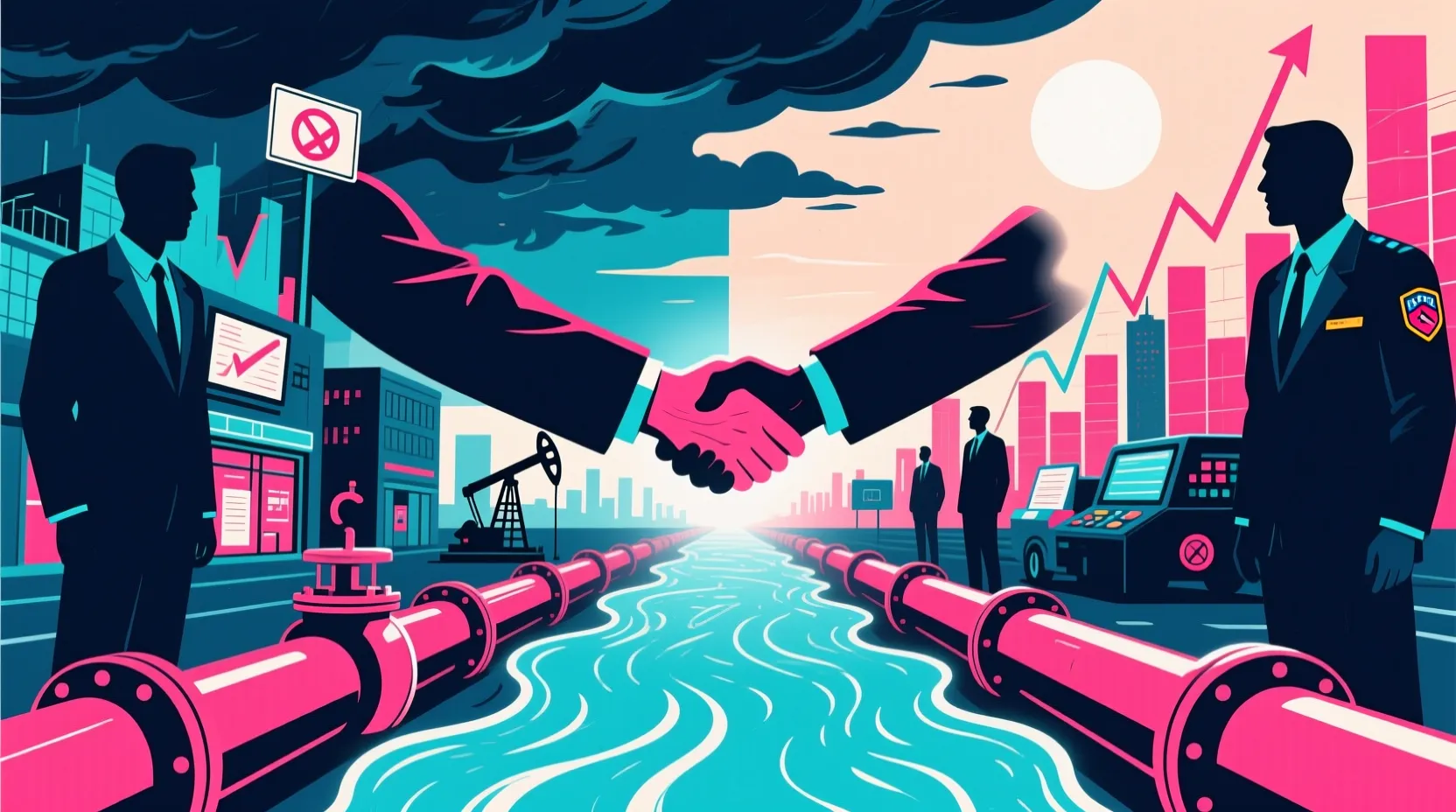
At a glance
What matters most
- Oil prices jumped after reports that President Trump rejected Iran's latest proposal to reopen the Strait of Hormuz, a key global oil route.
- Vice President JD Vance is emerging as a central figure in the stalled negotiations, despite his past opposition to U.S. military engagement in the region.
- Markets reacted quickly, with energy stocks rising and global shipping concerns growing over continued blockage of the waterway.
- The diplomatic impasse raises fears of prolonged instability in the Persian Gulf, with ripple effects on inflation and supply chains worldwide.
Across the spectrum
What people are saying
A quick look at how the same story is being framed from different angles.
On the Left
JD Vance's involvement in the Iran talks highlights a moral contradiction-someone who once opposed endless wars is now helping manage a crisis fueled by the same interventionist policies. The focus should be on de-escalation and diplomacy, not on satisfying political optics or protecting oil interests. The human cost of continued tension is being overlooked.
In the Center
The administration faces a tough balancing act: securing global energy flows while avoiding military escalation. Vance's role may reflect an effort to bring a more cautious voice into the room, but success will depend on whether Iran and the U.S. can find even minimal common ground amid deep distrust.
On the Right
Strong leadership means standing firm when adversaries test American interests. Trump's refusal to accept a weak deal shows resolve. The oil market response proves the world depends on U.S. strength to keep trade routes open. Now is not the time for retreat or moral second-guessing.
Full coverage
What you should know
Oil prices shot up Monday morning as hopes for a breakthrough in U.S.-Iran talks over the Strait of Hormuz faded. Reports indicate President Trump told advisers he was unimpressed with Iran's most recent proposal to reopen the strategic waterway, which has been closed for weeks. The strait, a critical artery for global oil shipments, remains blocked, sending shockwaves through energy markets and raising concerns about longer-term supply disruptions.
Investors reacted swiftly, pushing crude prices to their highest level in over a year. Major energy companies saw stock gains, while shipping and logistics firms braced for higher costs. Analysts warn that without a resolution, the spike could feed into broader inflation, affecting everything from fuel at the pump to the price of imported goods.
Amid the economic jitters, political attention is turning to Vice President JD Vance, who is increasingly seen as a key player in the diplomatic effort. Though he once criticized U.S. involvement in Middle East conflicts, Vance now finds himself in the spotlight as a potential point person for negotiations. His role is complicated by his public Christian convictions and past skepticism of military intervention, making his current position both delicate and politically charged.
The Guardian highlighted the tension in Vance's position, noting his stated commitment to peace and moral leadership. Yet, as part of an administration taking a hard line on Iran, he's walking a fine line between principle and policy. Some allies see him as a bridge to more moderate voices, while critics question whether he can influence a president known for decisive, often unilateral moves.
The broader concern is not just about oil, but about escalation. The Persian Gulf has seen increased naval activity in recent weeks, and any miscalculation could deepen the crisis. Diplomats from European nations and the UN have called for restraint, urging both sides to return to the table. But with trust low and demands high, progress appears distant.
For now, the stalemate continues. Iran insists on guarantees before reopening the strait, while the U.S. demands unconditional access and accountability for recent attacks on shipping. Behind the scenes, officials are working quietly, but there's little public sign of movement. That uncertainty is exactly what markets hate-and what's fueling today's volatility.
As the world watches, the stakes keep rising. A blocked strait doesn't just affect oil-it disrupts global trade, pressures economies still recovering from past shocks, and tests the limits of diplomacy in a tense geopolitical climate. With no easy way out, the coming days could define not just energy trends, but the administration's broader foreign policy legacy.
About this author
Zwely News Staff compiles multi-source reporting into concise, viewpoint-aware coverage for readers who want context without noise.
Source Notes
Oil Prices Jump Again as U.S.-Iran Talks Appear Deadlocked
Investors parsed reports that President Trump told advisers that he was not satisfied with Iran’s latest proposal to reopen the Strait of Hormuz.
JD Vance’s key role in Iran talks presents him with a thorny predicament
Vice-president faces challenges as he assumes potential role of point man in endeavor to end a war he opposedAs a man who wears his Christian beliefs on his sleeve, JD Vance is no doubt acutely conscious of Jesus Christ’s dictum from his se...
Previous story
DeSantis rolls out a new Florida congressional map that could boost Republicans by four seats
Next story