The Live Nation verdict could finally shake up how we buy concert tickets
A federal jury just ruled the company holds a monopoly, and that could mean real changes for fans
At a glance
What matters most
- A federal jury ruled that Live Nation has operated as a monopoly, controlling key parts of the live music industry.
- The decision could lead to court-ordered changes, including breaking up parts of the company or opening ticketing to competition.
- Fans may eventually see more ticketing options, better pricing, and access to events if reforms are enforced.
- The case was brought by the Justice Department, which argued Live Nation used its power to shut out rivals and raise prices.
Across the spectrum
What people are saying
A quick look at how the same story is being framed from different angles.
On the Left
This verdict is a long-overdue win for fairness in the entertainment industry. Live Nation's stranglehold has hurt artists, fans, and small businesses for years, driving up prices and shutting out competition. Real reform could democratize access to live music and ensure profits go back to creators, not just corporate executives.
In the Center
The jury's decision highlights serious concerns about market concentration, but the path forward isn't simple. While competition in ticketing could benefit consumers, breaking up complex businesses carries risks. The focus should be on practical remedies that increase choice without disrupting the live event ecosystem.
On the Right
Antitrust actions like this can overreach and threaten successful business models that deliver value. Live Nation built its platform through investment and innovation, not coercion. Courts should be cautious about dismantling integrated services that many artists and venues rely on.
Full coverage
What you should know
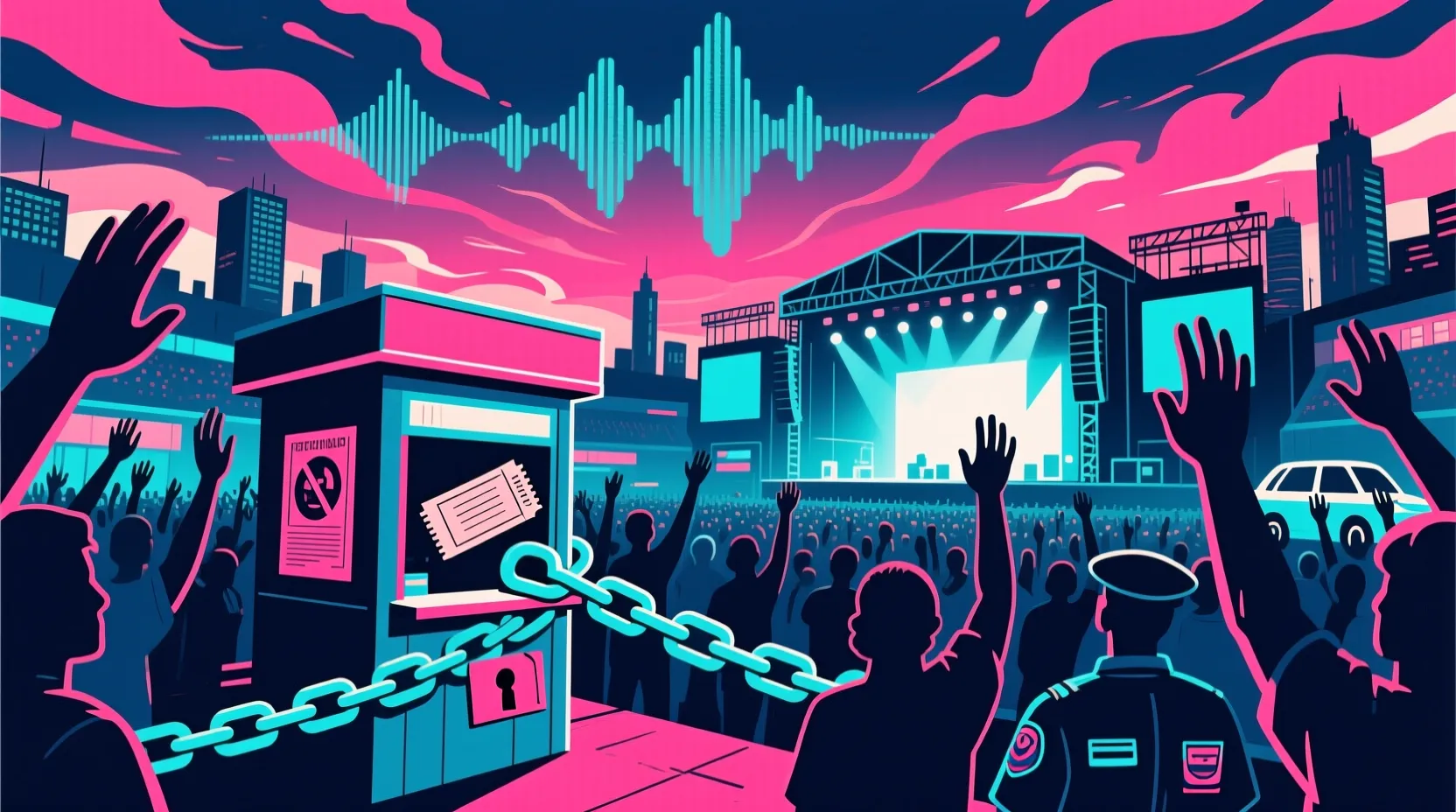
A major crack has appeared in the foundation of how live music is booked and sold in the U.S. On Wednesday, a federal jury in New York found Live Nation - the parent company of Ticketmaster - guilty of running an illegal monopoly over large concert venues and ticketing services. The verdict marks a turning point in a long-running battle over control of the live entertainment industry and could eventually reshape how fans buy tickets.
The Justice Department brought the case, arguing that Live Nation used its dominance to lock in venues, block competing ticket sellers, and squeeze artists and promoters. By controlling both the venues where shows happen and the platform where tickets are sold, the government said, the company created a closed loop that made it nearly impossible for rivals to compete. The jury agreed, clearing the way for a judge to impose remedies that could include forcing the company to sell off parts of its business.
For concertgoers, the immediate impact is minimal. Tickets aren't getting cheaper overnight, and Ticketmaster will still be the face of most major event sales for now. But the long-term stakes are high. If the court orders structural changes - such as requiring Live Nation to spin off Ticketmaster or stop bundling venue access with ticketing contracts - new competitors could enter the market. That kind of competition could lead to lower fees, more transparent pricing, and better access to high-demand events.
Artists and smaller promoters may also benefit. Many have long complained that Live Nation's grip forces them into unfavorable deals or shuts them out of top venues. With the monopoly ruling, there's a chance for more flexibility in how tours are booked and how tickets are distributed. Some experts suggest we could see more direct-to-fan sales, independent ticketing platforms, or even venue cooperatives that operate outside the current system.
Still, change won't come quickly. Live Nation has already announced plans to appeal, and legal challenges could stretch on for years. Even if the verdict stands, the exact shape of any court-ordered remedies won't be decided for months or longer. Past antitrust cases, like those against AT&T in the 1980s or Microsoft in the 1990s, show that outcomes can vary widely depending on judicial interpretation and political will.
The case has reignited public frustration over concert access, especially after years of botched high-profile sales and skyrocketing fees. While no one expects a fix by summer tour season, the verdict gives regulators and lawmakers more leverage to push for reforms. Some in Congress have already called for stricter enforcement of antitrust laws in the entertainment sector, and this ruling could fuel those efforts.
For now, the decision stands as a rare check on corporate power in an industry that's seen massive consolidation. Whether it leads to real change for fans depends on what happens next in the courtroom - and whether officials follow through on the chance to open up the live music experience to more competition and choice.
About this author
Zwely News Staff compiles multi-source reporting into concise, viewpoint-aware coverage for readers who want context without noise.
Source Notes
What does the Live Nation verdict mean for concertgoers?
A jury on Wednesday found Ticketmaster's parent company Live Nation to be guilty of running a monopoly over large venues across the U.S.
Live Nation lost in court. Here’s what it means for concerts.
This story appeared in Today, Explained, a daily newsletter that helps you understand the most compelling news and stories of the day. Subscribe here. Live Nation will have to face the antitrust music, a federal jury in New York ruled this...
Previous story