
The MAHA movement is turning its focus to glyphosate and the EPA under Trump
What started as a health-focused push has widened into a broader clash over environmental policy and trust in government.
At a glance
What matters most
- The MAHA movement, once focused on vaccines, is now actively opposing glyphosate, a widely used herbicide linked to health concerns.
- Members are criticizing the Trump administration for supporting policies that favor the manufacturer of glyphosate, particularly through EPA decisions.
- The shift highlights how the movement blends health, environmental, and anti-establishment views, drawing criticism for inconsistent logic but gaining momentum online.
- Recent rallies have drawn diverse crowds, united more by distrust of federal agencies than by a single scientific stance.
Across the spectrum
What people are saying
A quick look at how the same story is being framed from different angles.
On the Left
The MAHA movement's focus on glyphosate reveals a deeper problem: the erosion of trust in science, fueled by misinformation and amplified by political polarization. While concerns about corporate influence in regulation are valid, the movement often rejects peer-reviewed research and embraces fear-based narratives that can harm public health efforts.
In the Center
The MAHA movement reflects genuine public anxiety about environmental health and regulatory transparency. While some of its claims lack scientific backing, the growing scrutiny of glyphosate shows that agencies like the EPA need to communicate more clearly and independently to maintain public trust.
On the Right
The MAHA movement is highlighting real failures in federal oversight. If people don't trust the EPA, it's because the agency has repeatedly sided with big industry over everyday Americans. Calling this 'conspiracy thinking' dismisses legitimate concerns about food safety and government accountability.
Full coverage
What you should know
The MAHA movement, which first gained attention for its stance on vaccines, is broadening its reach - and its ire - toward environmental issues, particularly the use of glyphosate. Once seen mainly as a health-focused coalition, the group is now organizing rallies, social media campaigns, and local petitions aimed at banning the herbicide, which is commonly used in agriculture and has been classified as a probable carcinogen by some international health bodies.
What's drawing sharper attention now is the movement's criticism of the Environmental Protection Agency under the Trump administration. Activists accuse the EPA of downplaying risks and siding with the chemical's manufacturer, a stance they say reflects deeper corruption in federal regulatory agencies. Recent EPA statements reaffirming glyphosate's safety have only fueled the backlash, with MAHA supporters calling them politically motivated and scientifically flawed.
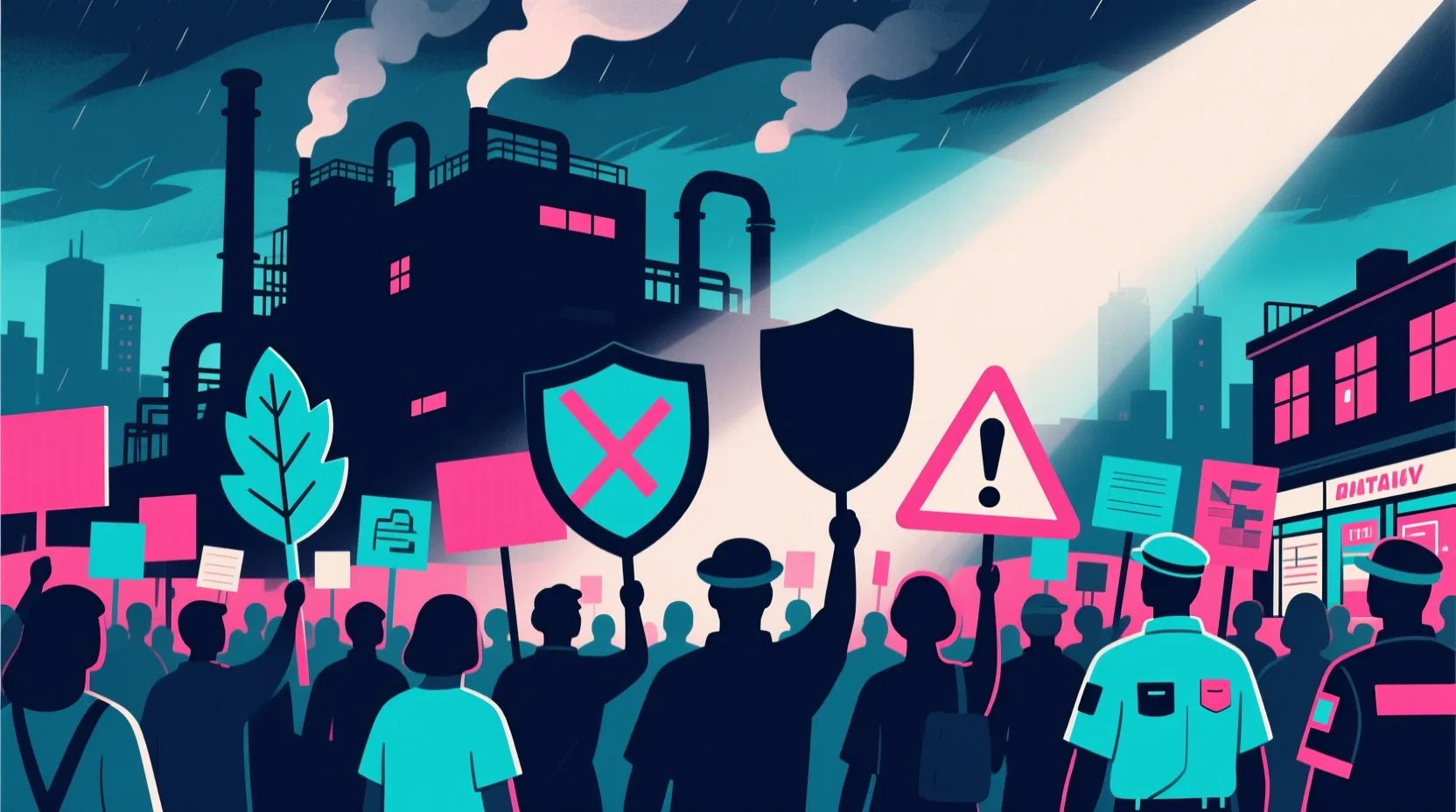
At a rally in Iowa last weekend, dozens carried signs linking glyphosate to cancer, autism, and environmental decay - claims that scientists say lack strong evidence but that resonate emotionally with concerned parents and organic food advocates. The gathering, organized by local MAHA chapters, drew a mix of longtime activists and newcomers worried about food safety and corporate influence.
Observers note that the movement's pivot isn't really about pesticides alone. It's about distrust. Whether it's vaccines, water fluoridation, or now glyphosate, MAHA frames each issue as part of a pattern: powerful institutions dismissing public concern. This worldview has allowed the movement to pull in people from across the political spectrum, though critics argue it relies on cherry-picked data and conspiracy-adjacent thinking.
Writing in The Atlantic, one analyst described glyphosate as the movement's 'perfect villain' - invisible, widely used, and tied to big agribusiness. Unlike vaccines, which are regulated by the CDC and tied to children's health, glyphosate lets MAHA expand its reach into farming, food labeling, and environmental justice, issues with broader public appeal.
Still, the shift has drawn skepticism. Public health experts warn that conflating different risks can mislead people and divert attention from proven health threats. Meanwhile, some on the left see the movement's anti-EPA stance as oddly aligned with conservative deregulatory goals, even as MAHA members insist they're fighting for transparency and safety.
With the EPA expected to release a new review of glyphosate later this year, the debate is likely to intensify. For now, the MAHA movement is no longer just a footnote in vaccine debates - it's becoming a force in how some Americans view science, government, and the food they eat.
About this author
Zwely News Staff compiles multi-source reporting into concise, viewpoint-aware coverage for readers who want context without noise.
Source Notes
The MAHA movement is mad about glyphosate and Trump's EPA
Some people in the MAHA movement are angry with the Trump administration's stance on environmental toxins — including its current support for the maker of the pesticide glyphosate.
MAHA’s Perfect Villain
Glyphosate highlights the movement’s horseshoe politics and has nothing to do with vaccines.
Previous story
Republicans are getting nervous about the midterms as Trump's shine starts to fade
Next story