The U.S. is blocking Iran's access to the Strait of Hormuz and it's putting huge pressure on its economy
A major naval move is cutting off most of Iran's trade, but the risks to global energy markets are climbing fast
At a glance
What matters most
- The U.S. is effectively blocking Iran's access to the Strait of Hormuz, cutting off around 90% of its international trade
- The blockade is putting intense economic pressure on Iran, but could also drive up global oil prices
- The move aims to push Iran back into nuclear talks, but carries risks of military escalation
- Allies and energy markets are watching closely as tensions mount in one of the world's most critical shipping lanes
Across the spectrum
What people are saying
A quick look at how the same story is being framed from different angles.
On the Left
This blockade risks causing more harm than good. While Iran's nuclear program is a serious concern, cutting off its economy will mostly hurt everyday Iranians, not its leaders. There's also a real danger of sliding into war without a clear plan or international consensus. Diplomacy should be the priority, not military coercion that could spark a regional crisis.
In the Center
The blockade puts significant pressure on Iran to return to negotiations, which may be necessary given stalled diplomacy. However, it carries serious risks, including higher oil prices and potential military escalation. The U.S. will need to balance firmness with restraint and keep open channels for de-escalation to avoid unintended consequences.
On the Right
Strong action is needed to counter Iran's nuclear ambitions and regional aggression. Previous attempts at diplomacy have failed, so economic pressure through a naval blockade is a logical step. If done decisively, it could force Iran to the table and prevent a worse conflict down the line.
Full coverage
What you should know
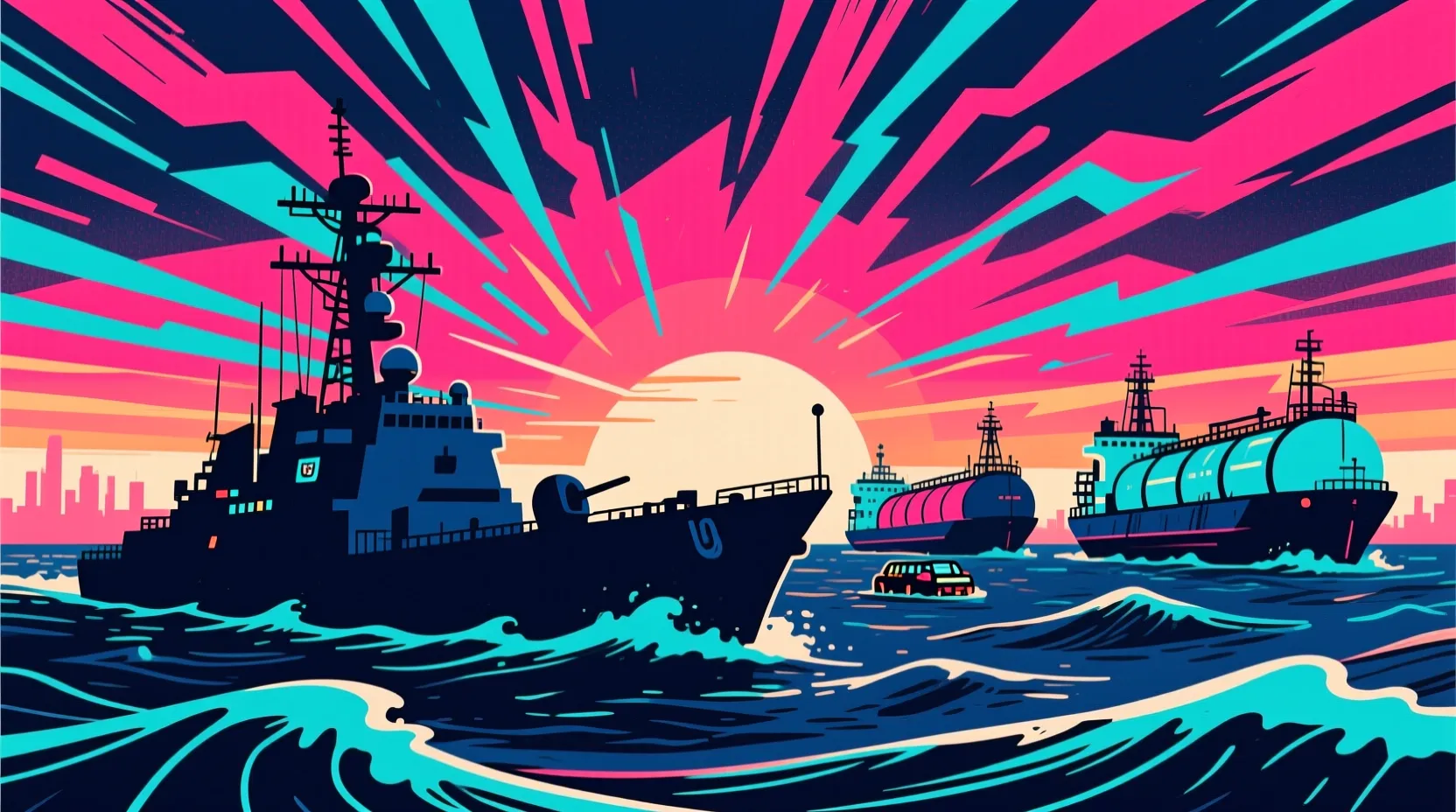
The United States has ramped up pressure on Iran by enforcing a naval blockade that restricts access to the Strait of Hormuz, effectively shutting down most of Iran's maritime trade. The strategic waterway, which connects the Persian Gulf to the Arabian Sea, is a lifeline for Iranian exports-especially oil. With U.S. forces controlling passage, an estimated 90% of Iran's foreign trade has come to a near standstill, according to reports from The Hill and CBS News.
This move marks one of the most aggressive economic actions taken against Iran in years. The Trump administration, now in its second term, appears to be using the blockade as leverage to bring Tehran back to negotiations over its nuclear program. Officials believe that by squeezing Iran's economy, they can force concessions that previous diplomacy failed to achieve. But the strategy is risky-both militarily and economically.
The Strait of Hormuz is one of the world's most critical energy chokepoints. About a fifth of the world's oil passes through it under normal conditions. Even the threat of disruption has sent shivers through global markets. Oil prices have begun to climb as traders assess the stability of supply, and countries dependent on Middle Eastern crude are closely monitoring the situation.
Iran has not yet responded with direct military action, but its leaders have issued strong condemnations, calling the blockade an act of war. There are concerns that Iranian-backed forces in the region could retaliate through proxy attacks or by targeting commercial shipping. The U.S. Navy has increased its presence in the area, with destroyers and surveillance assets on high alert.
Experts warn that while economic pressure can be effective, it's no guarantee of diplomatic success. Iran has weathered sanctions before, and its leadership may choose defiance over negotiation. There's also the humanitarian question: ordinary Iranians could face worsening shortages of goods and medicine as imports dwindle.
The international reaction has been mixed. Some U.S. allies have expressed quiet support for a tough stance on Iran's nuclear ambitions, but others are urging caution. European leaders and international organizations have called for de-escalation, warning that a prolonged blockade could destabilize the region and harm global commerce.
For now, the U.S. appears to be holding its course. But as the days pass, the balance between pressure and provocation will become harder to maintain. The stakes aren't just about one country's nuclear program-they're about whether a single military action can reshape diplomacy without sparking a wider crisis.
About this author
Zwely News Staff compiles multi-source reporting into concise, viewpoint-aware coverage for readers who want context without noise.
Source Notes
U.S. Blockade Of Iranian Ports Could Finally Break Iran — But Only If We Do It Right
The U.S. naval blockade of the Strait of Hormuz is a significant escalation that carries considerable risks and rewards.
Strait of Hormuz blockade hurts Iran’s economy, threatens to spike energy prices
The U.S. blockade on the Strait of Hormuz has effectively shut down trade to and from Iran’s ports, cutting off an estimated 90 percent of the Middle Eastern country’s economy as the Trump administration looks to get Tehran back to the nego...
Experts, reporters on what to know about the Strait of Hormuz and Iran war | Special Report
Lindsey Reiser anchors a special CBS News 24/7 report on the blockade against Iranian ports, the effective closure of the Strait of Hormuz and the current state of the war with Iran.
Previous story
The man accused of killing Charlie Kirk wants cameras out of the courtroom
Next story