The man accused of killing Charlie Kirk wants cameras out of the courtroom
He says live broadcasts could sway the jury and hurt his chances at a fair trial.
At a glance
What matters most
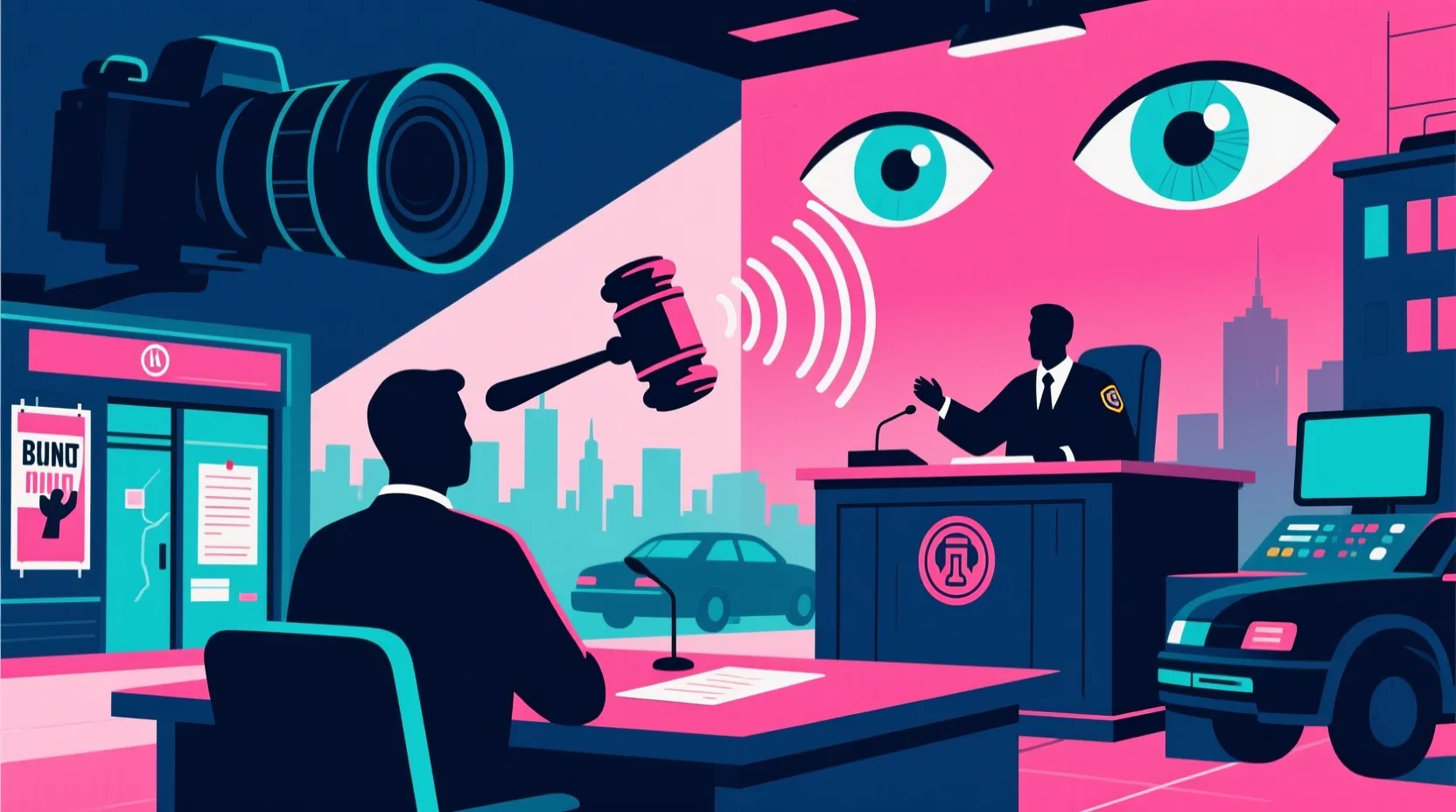
- Tyler Robinson, accused of killing Charlie Kirk, is asking the court to ban cameras from his trial.
- He argues that live broadcasts could influence potential jurors and damage his right to a fair trial.
- The case has drawn national attention, with newly unsealed ATF documents adding to the scrutiny.
- A hearing on the camera request is scheduled for Friday, as legal motions continue to shape the pretrial phase.
Across the spectrum
What people are saying
A quick look at how the same story is being framed from different angles.
On the Left
The defendant has a constitutional right to a fair trial, and the saturation of media coverage-especially from partisan outlets-risks inflaming public opinion and making impartiality nearly impossible. Limiting cameras isn't about hiding the truth; it's about protecting due process in an environment where outrage spreads faster than facts.
In the Center
Courts have long balanced transparency with fairness. While the public has a right to see justice unfold, extreme media attention can distort the process. The judge should weigh the specifics-like the nature of the coverage and steps already in place to screen jurors-before deciding whether camera restrictions are truly necessary.
On the Right
The American courtroom should remain open, not hidden behind closed doors. This request feels less about fairness and more like an attempt to control the narrative after a politically charged attack on a prominent conservative voice. The public deserves to see every step of the process.
Full coverage
What you should know
Things are moving slowly but steadily in the case of Tyler Robinson, the man accused of killing conservative commentator Charlie Kirk during a Turning Point USA event earlier this year. Robinson's legal team has filed a motion asking the judge to ban cameras from future court hearings, saying the constant media presence could taint the jury pool and undermine his right to a fair trial. The request sets up a clash between public interest and constitutional protections, with a hearing scheduled for Friday.
Robinson's argument hinges on the idea that nonstop live coverage, especially on cable news and social media, makes it harder to find impartial jurors. His lawyers say the intense spotlight-fueled by Kirk's national profile and the political nature of the event-creates a real risk that potential jurors will come into the trial already shaped by what they've seen online or on TV. They're not asking to close the courtroom entirely, but they want to stop video from being broadcast beyond the courtroom walls.
The prosecution hasn't filed a formal response yet, but legal experts say courts often balance transparency against fairness. In high-profile cases, judges sometimes allow cameras but take extra steps during jury selection to screen for bias. Still, the request highlights how modern media dynamics are reshaping old courtroom norms. What used to be local news coverage is now a 24/7 national spectacle, and that changes the stakes.
The case has already drawn massive attention. Kirk, a well-known conservative voice, was shot during a campus event at Utah Valley University, an incident that sparked outrage across the right and renewed debates about political violence. The timing of the motion follows a judge's decision yesterday to unseal an ATF report related to the shooting, which detailed the firearm used and its chain of possession. While the contents haven't been made public in full, their release has kept the story in the headlines.
Outside the courthouse, supporters of both Kirk and Robinson have gathered, though in smaller numbers recently. The mood remains tense, with security still visible and local police monitoring social media for threats. Inside, the legal teams are focused on procedural battles-motions like this one could delay the trial for months, even if they don't ultimately succeed.
Friday's hearing won't decide guilt or innocence, but it could shape how the public sees the trial moving forward. If the judge agrees to limit cameras, it may quiet the media circus. If not, the gavel-to-tweet cycle will likely continue, with every development dissected in real time.
This isn't just a legal question-it's a cultural one. As public figures become bigger targets and courtrooms become content, the line between justice and spectacle keeps blurring. How the judge rules on Friday might not settle that larger debate, but it'll be one of the clearest signals yet about where that line should be drawn in this case.
About this author
Zwely News Staff compiles multi-source reporting into concise, viewpoint-aware coverage for readers who want context without noise.
Source Notes
Man accused of killing Charlie Kirk asks judge to ban cameras from trial
The man accused of killing right-wing influencer Charlie Kirk wants a judge to ban cameras in court, saying live broadcasts are violating his right to a fair trial.
Charlie Kirk case stalls as accused shooter delays plea and eyes media limits
Tyler Robinson, accused of fatally shooting Charlie Kirk at a Turning Point USA event, is due in court Friday over a motion to exclude news cameras from future hearings.
New: Judge Unseals ATF Report in Charlie Kirk Assassination Case
New: Judge Unseals ATF Report in Charlie Kirk Assassination Case
Previous story
Macron and Starmer host European push to secure the Strait of Hormuz
Next story