
Tim Cook is stepping down, and Apple is passing the baton to someone who likes to stay out of the spotlight
After more than a decade at the helm, Cook leaves behind a tech giant that's more stable than flashy
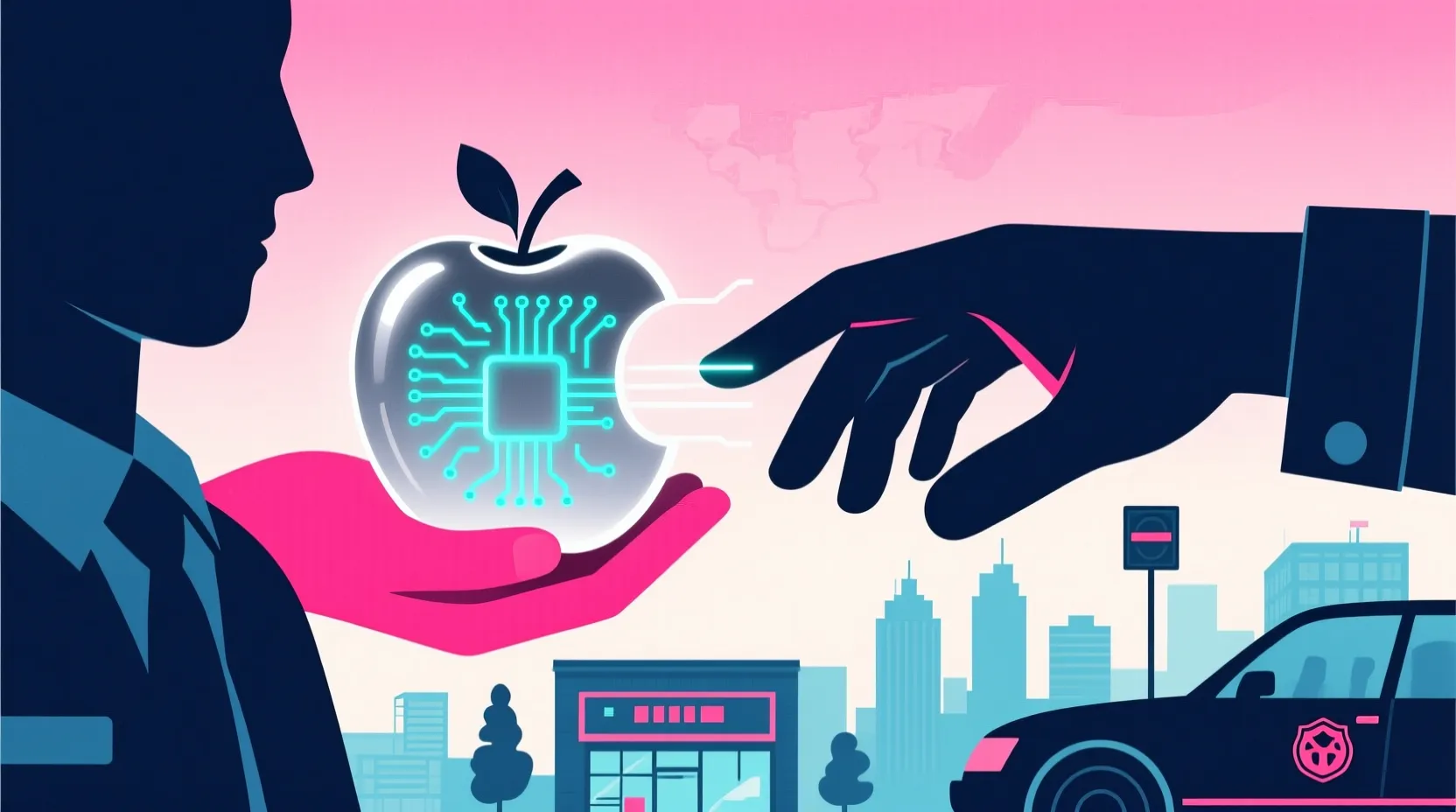
At a glance
What matters most
- Tim Cook is stepping down as Apple's CEO in September 2026 after leading the company for over 15 years
- He'll be replaced by John Ternus, Apple's current hardware engineering chief, known for his quiet but influential role in product development
- Cook leaves behind a vastly more valuable and operationally efficient company, even if it hasn't matched the Steve Jobs era for product breakthroughs
- Ternus now faces pressure to innovate in AI, maintain Apple's premium brand, and navigate increasing global scrutiny
Across the spectrum
What people are saying
A quick look at how the same story is being framed from different angles.
On the Left
Cook's tenure was defined by stability over innovation, turning Apple into a profit machine while avoiding bold risks. His focus on supply chain ethics and environmental goals set a standard in big tech, but critics argue Apple fell behind in AI and social responsibility under his watch. Ternus represents continuity, but progressives hope he'll prioritize accessibility, worker rights, and data justice more aggressively.
In the Center
Cook delivered exceptional financial and operational results, transforming Apple into a more mature, resilient company. While it didn't produce another iPhone-level breakthrough, the business became vastly more valuable and reliable. Ternus is a logical internal successor, and the smooth transition reflects strong corporate governance and long-term planning.
On the Right
Cook should be credited for growing Apple into the most valuable company in the world, expanding its global reach and shareholder value without dramatic missteps. His low-key leadership and focus on efficiency over hype kept the company steady. Ternus, as a proven engineer and insider, is well-positioned to protect Apple's innovation and market dominance without ideological distractions.
Full coverage
What you should know
Tim Cook is stepping down as CEO of Apple this fall, closing a chapter defined less by revolutionary new gadgets and more by steady growth, global scale, and operational precision. When he hands over the keys to John Ternus in September, it will mark the end of one of the most successful, if quietly executed, leadership runs in corporate history. Cook didn't try to be Steve Jobs. Instead, he built something different: a company that prints money, runs like clockwork, and remains deeply embedded in millions of daily lives.
His successor, John Ternus, isn't a household name-and that's probably by design. As Apple's senior vice president of hardware engineering, Ternus has been a key architect of the company's recent product lineup, from the M-series chips to the design of the Vision Pro. He's known for being deeply technical, collaborative, and allergic to the spotlight. That low-profile style may suit Apple just fine, especially as the company faces a tech landscape more complex than ever: rising regulatory pressure in Europe and the U.S., intensifying competition in AI, and slowing smartphone markets.
Under Cook, Apple's market value soared from around $350 billion to over $3.5 trillion. The company expanded its services business-like iCloud, Apple Music, and the App Store-into a massive profit engine. It also doubled down on privacy, sustainability, and supply chain control, setting standards others in tech have struggled to match. Critics say Apple hasn't delivered a true category-defining product since Jobs, but few can argue with the financial and operational discipline Cook brought to the table.
Ternus now inherits a company that's more durable than daring. That stability is a strength, but it also raises questions. Can Apple innovate boldly again? Can it lead in artificial intelligence without compromising the privacy principles it's built into its brand? And how will it handle increasing government scrutiny over its app store policies and market power? These aren't just product challenges-they're strategic and cultural ones.
Investors seem cautiously optimistic. Apple's stock held steady after the news broke, a sign that the market trusts the company's bench strength. The board clearly believes continuity is the right play, promoting from within rather than seeking an outsider. Ternus has spent decades at Apple, rising through the engineering ranks, and he's worked closely with Cook and other top leaders. That deep institutional knowledge could smooth the transition.
Still, the world around Apple is changing fast. Rivals like Samsung, Google, and upstarts in AI wearables are pushing hard. Regulators are watching closer than ever. And consumers are starting to expect more from their devices-especially when it comes to intelligence, personalization, and seamless integration. Ternus won't have to prove he's the next Steve Jobs. But he will need to show he can guide Apple into its next era without losing what makes it unique.
Cook's departure isn't a surprise-rumors have swirled for months-but it still feels significant. Few CEOs have shaped a company so thoroughly without seeking the spotlight. His legacy isn't a single product, but a machine: one that's efficient, valuable, and built to last. Now, it's up to Ternus to keep it running-and maybe, just maybe, to reignite its sense of wonder.
About this author
Zwely News Staff compiles multi-source reporting into concise, viewpoint-aware coverage for readers who want context without noise.
Source Notes
Tim Cook’s Unflashy Success at Apple
The Apple CEO is stepping down and leaving behind a legacy that has surprised everyone.
Tim Cook is stepping down. What happens to Apple now?
Tim Cook plans to step down from his CEO role in September, handing the reins to hardware chief John Ternus. Ternus may be inheriting one of the most durable businesses in tech, but he’s also stepping into a very different ecosystemthan the...
Previous story
Inside Chornobyl, 40 years after the disaster, the risks haven't gone away
Next story