
Trump is turning up the pressure on Iran's shadow fleet to hit China where it hurts
A new front in the Middle East standoff is playing out at sea - and it's shaking global trade
At a glance
What matters most
- The Trump administration is targeting Iran's fleet of unmarked oil tankers to cut off a key revenue stream and limit China's access to discounted Iranian oil.
- China's export economy is feeling pressure as shipping costs rise and factory orders slow due to ongoing Middle East tensions.
- Industry leaders warn the disruption to global shipping could last years, even after the conflict winds down.
- The strategy reflects a broader effort to use energy and trade as leverage in U.S.-China geopolitical competition.
Across the spectrum
What people are saying
A quick look at how the same story is being framed from different angles.
On the Left
Targeting Iran's shadow fleet may sound tough, but it's really a roundabout way of punishing working people in China and elsewhere. Instead of addressing the root causes of instability in the Middle East or pursuing diplomacy, this approach escalates economic warfare that drives up costs for everyday consumers and risks sparking wider conflict. The focus should be on de-escalation, not using shipping lanes as tools of geopolitical coercion.
In the Center
Disrupting Iran's oil smuggling makes strategic sense as a way to reduce funding for destabilizing activities, and it's not surprising the U.S. would act where it has leverage. But the economic fallout for global trade and manufacturing economies like China's shows how interconnected these systems are. The challenge is applying pressure without triggering unintended consequences that hurt neutral parties or lock in long-term supply chain damage.
On the Right
This is smart, low-risk statecraft: using naval and financial tools to strike at Iran's revenue while weakening China's energy security. If Beijing wants to keep buying Iranian oil under the radar, it should face real consequences. Strengthening maritime enforcement isn't just about sanctions - it's about defending the rules-based order and pushing back against two of America's biggest strategic rivals at once.
Full coverage
What you should know
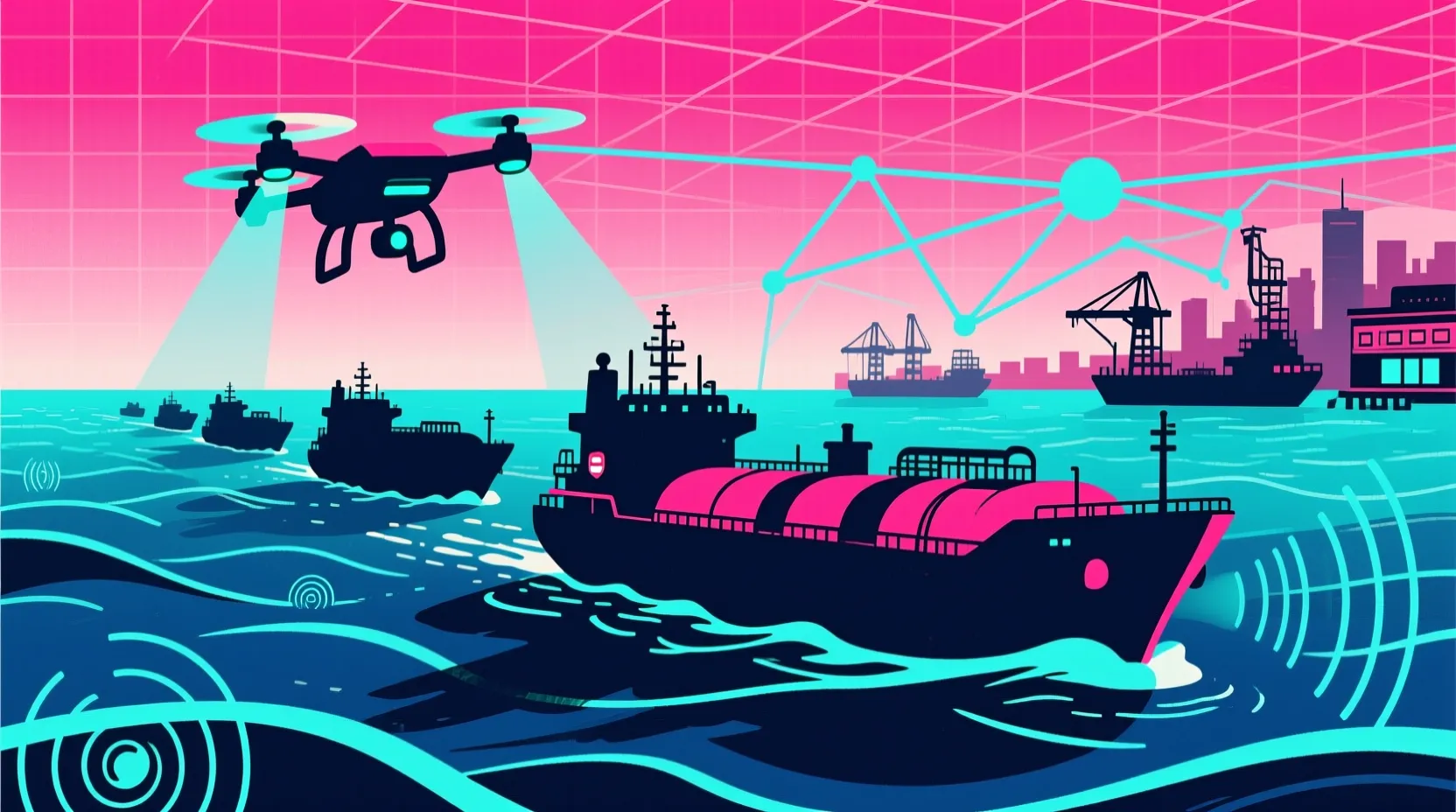
The latest move in the simmering standoff between the U.S., Iran, and China isn't happening on land - it's unfolding across the open ocean. The Trump administration has ramped up efforts to track and intercept Iran's so-called shadow fleet: a network of aging, unmarked tankers smuggling millions of barrels of oil to foreign buyers, mostly in Asia. While the official target is Iran's ability to fund its regional activities, the real strategic aim appears to be China, Iran's largest customer and a key rival of the U.S.
These ships often disable tracking systems, reflag under obscure registries, and conduct risky ship-to-ship transfers far from port. For years, they've allowed Iran to bypass sanctions and keep oil flowing. Now, U.S. naval forces and intelligence assets are working with allies to identify and pressure third-party insurers, port operators, and shipping companies to cut ties with these vessels. The goal is to make it too risky or expensive to move Iranian oil - especially to China, which has been buying it at steep discounts.
That pressure is starting to show economic effects. According to recent reports, Chinese manufacturers are seeing delays in raw material shipments and rising transportation costs. Factory orders have softened, and some export-dependent regions are reporting job losses. While China weathered earlier rounds of U.S. tariffs, the current disruption to maritime routes - including attacks in the Red Sea and tighter enforcement in the Indian Ocean - is hitting different parts of the economy.
Executives at major shipping firms, including Japan's Mitsui O.S.K. Lines, warn the impact won't end when the immediate conflict does. Even after hostilities ease, they say, shipping lanes may remain rerouted, insurance costs could stay high, and companies will continue to avoid high-risk zones. That means longer transit times, higher prices for consumers, and a more fragmented global trade system.
From Washington's perspective, this is more than just a sanctions enforcement operation. It's part of a broader strategy to use control over energy flows and sea lanes as leverage in the competition with China. By making it harder for Beijing to access cheap, sanction-busting oil, the U.S. hopes to weaken China's economic resilience and force harder choices in its foreign policy.
But there are risks. Pushing too hard could further destabilize energy markets or provoke retaliatory moves from China, such as restricting exports of critical minerals or increasing support for Iran. Some analysts worry the approach could backfire if it drives China and Iran closer together or encourages more covert shipping tactics.
For now, the open-sea chess game continues. With tankers vanishing from radar and ports turning away suspicious vessels, the shadow fleet remains a moving target. But one thing is clear: how this plays out could shape the future of global trade - and the balance of power in the 21st century.
About this author
Zwely News Staff compiles multi-source reporting into concise, viewpoint-aware coverage for readers who want context without noise.
Source Notes
Targeting Iran’s ‘Shadow Fleet’ to Hurt China
Why the Trump administration is chasing down ships far from Iranian ports.View Post
China weathered Trump's tariffs - but the Iran war is taking a toll
The Middle East conflict is putting pressure on factory orders, costs and jobs in China's export-driven economy.
Iran War to Impact Shipping Long After It Ends, Japan’s MOL Says
The impact of the Middle East conflict on the shipping industry and global supply chains will linger long after the war ends, according to the head of one of the world’s largest tanker owners.
Previous story
Ecco the Dolphin is making a comeback with remasters and a new sequel in one package
Next story