
Trump says US navy seized an Iranian-linked ship after it tried to break the blockade near Hormuz
The move ratchets up tensions as conflicting signals emerge over whether new talks with Iran are in the works
At a glance
What matters most
- Donald Trump announced the US navy seized an Iranian-linked cargo ship after it tried to breach a naval blockade near the Strait of Hormuz
- The vessel was reportedly disabled by a non-lethal strike to its engine room before being taken into custody
- The move follows a broader US policy to intercept Iranian-linked ships globally, raising legal and diplomatic concerns
- Oil prices rose on the news, as conflicting reports emerged about whether new US-Iran talks are set to begin
Across the spectrum
What people are saying
A quick look at how the same story is being framed from different angles.
On the Left
This expanded blockade risks normalizing unilateral military actions on the high seas without clear international oversight. While Iran's regional activities are concerning, bypassing diplomatic channels and multilateral frameworks could erode global norms and empower other nations to justify similar overreach. Economic pressure should not come at the cost of legal precedent or increased risk of unintended conflict.
In the Center
The US has tools under international law to intercept shipments linked to hostile actors, especially when they threaten regional stability. But applying a global blockade against a nation not formally at war raises practical and legal questions. The success of this strategy will depend on whether it leads to diplomacy rather than escalation, and whether allies are brought into the process.
On the Right
Iran has long used shadow fleets to fund terrorism and evade sanctions, and past administrations have been too passive. This decisive action sends a clear message: ships supporting Iran's destabilizing activities will be stopped, no matter where they sail. Strong enforcement protects US interests and strengthens leverage in any future negotiations.
Full coverage
What you should know
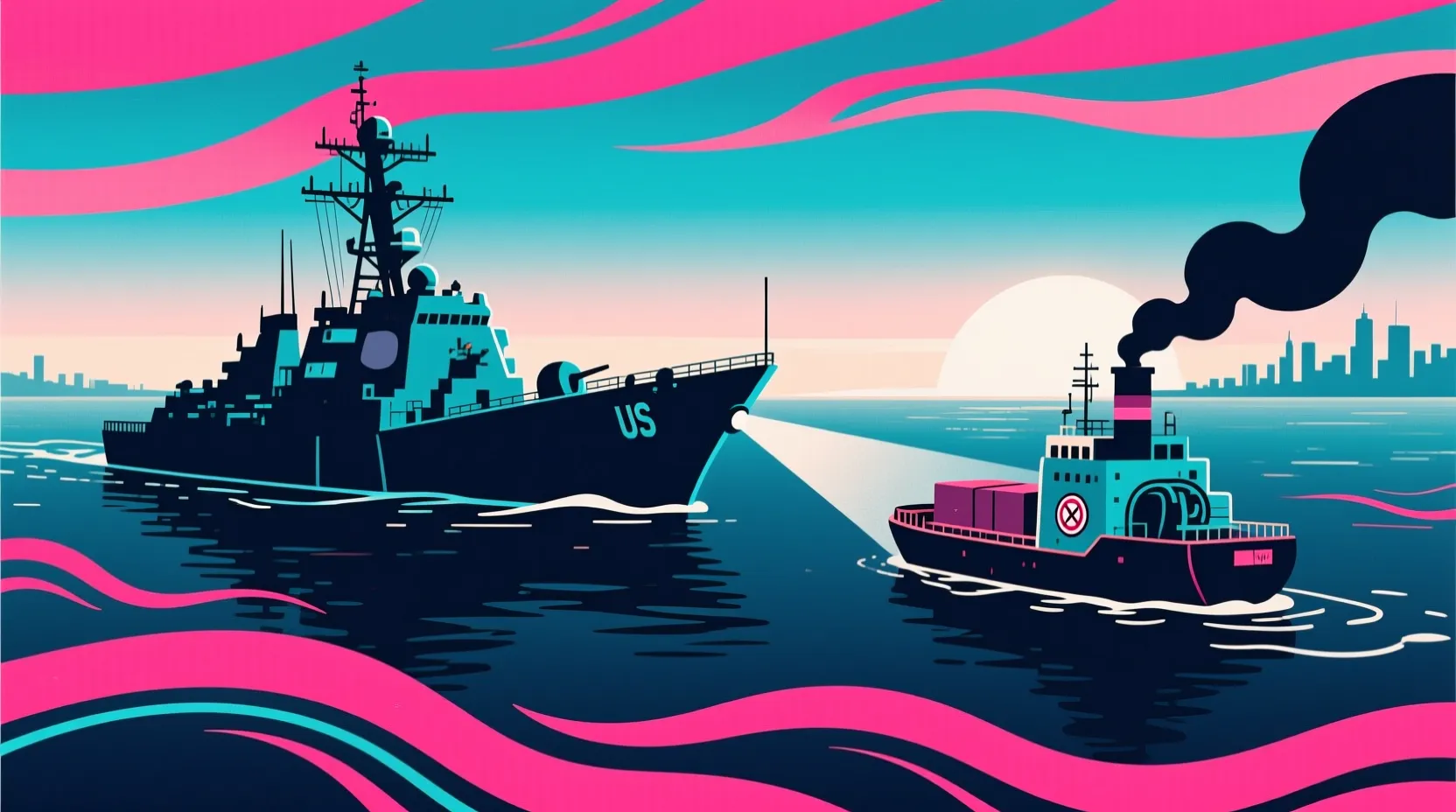
In a dramatic escalation of maritime pressure on Iran, Donald Trump announced Saturday that the US navy had seized a cargo vessel linked to Iran after it attempted to break through a naval blockade near the Strait of Hormuz. The ship, reportedly en route from Iran and carrying undeclared cargo, was intercepted after US forces disabled its engine room with what Trump described as a 'precision non-lethal strike.' 'It did not go well for them,' he said in a social media post, confirming the operation.
The seizure follows a broader US policy announced last week expanding the authority of American naval forces to intercept and board Iranian-linked vessels anywhere in international waters. Officials say the move targets illicit oil shipments and weapons transfers, but maritime law experts warn it stretches long-standing norms. While similar blockades have been used in past conflicts, applying them globally against a non-declared enemy raises legal gray areas, particularly when ships are flagged to third countries or carry civilian crews.
The intercepted vessel, believed to be the Touska, had been tracked moving toward the Strait of Hormuz when it abruptly changed course in an apparent attempt to evade detection. US forces gave warning shots before disabling the engine and boarding the ship without casualties. The Pentagon has not officially confirmed the operation, but senior defense officials speaking on background verified the broad outline of events.
The incident comes amid conflicting signals about diplomacy. While Trump's team claims Iran has signaled openness to new talks, Iranian state media have dismissed the reports as propaganda. At the same time, oil prices jumped nearly 4% on Sunday morning, reflecting market anxiety over potential supply disruptions. The Strait of Hormuz handles about 20% of the world's traded oil, and any sustained naval confrontation could ripple through global energy markets.
Legal scholars are divided on the scope of the US action. Some point to precedents like the World War II-era blockade of Axis supply lines or more recent interdictions in the Persian Gulf as justification. Others caution that unilateral enforcement on the high seas risks setting a precedent other nations could exploit, potentially undermining international maritime order. 'The US has tools under international law, but expanding them this far invites pushback - from courts, allies, and adversaries alike,' said one maritime law professor at Columbia University.
Allies have been cautious in their response. European officials have privately expressed concern about the lack of multilateral coordination, while Gulf partners like Saudi Arabia and the UAE have quietly welcomed the pressure on Iran. The Biden administration had used targeted sanctions and diplomatic channels to counter Iranian shipping, but stopped short of authorizing global interdictions. The current approach marks a sharper, more confrontational turn.
For now, the seized vessel remains under US control, and officials say more interdictions may follow. Whether this pressure campaign forces Iran to the table - or pushes it further into confrontation - remains the central question hanging over the region.
About this author
Zwely News Staff compiles multi-source reporting into concise, viewpoint-aware coverage for readers who want context without noise.
Source Notes
US navy seizes Iranian ship after it breaches blockade, says Trump
Oil price jumps as Washington and Tehran give conflicting accounts of whether new peace talks are set to begin
Can U.S. Blockade Iranian-Linked Ships Anywhere in the World? Yes, But …
Maritime and military law experts say an expansion of the naval blockade announced last week raises legal and practical questions but has ample historical precedent.
Trump Announces US Navy Seized Blockade-Defying Iranian Cargo Vessel After ‘Blowing A Hole’ In Engine Room
'It did not go well for them'
Previous story