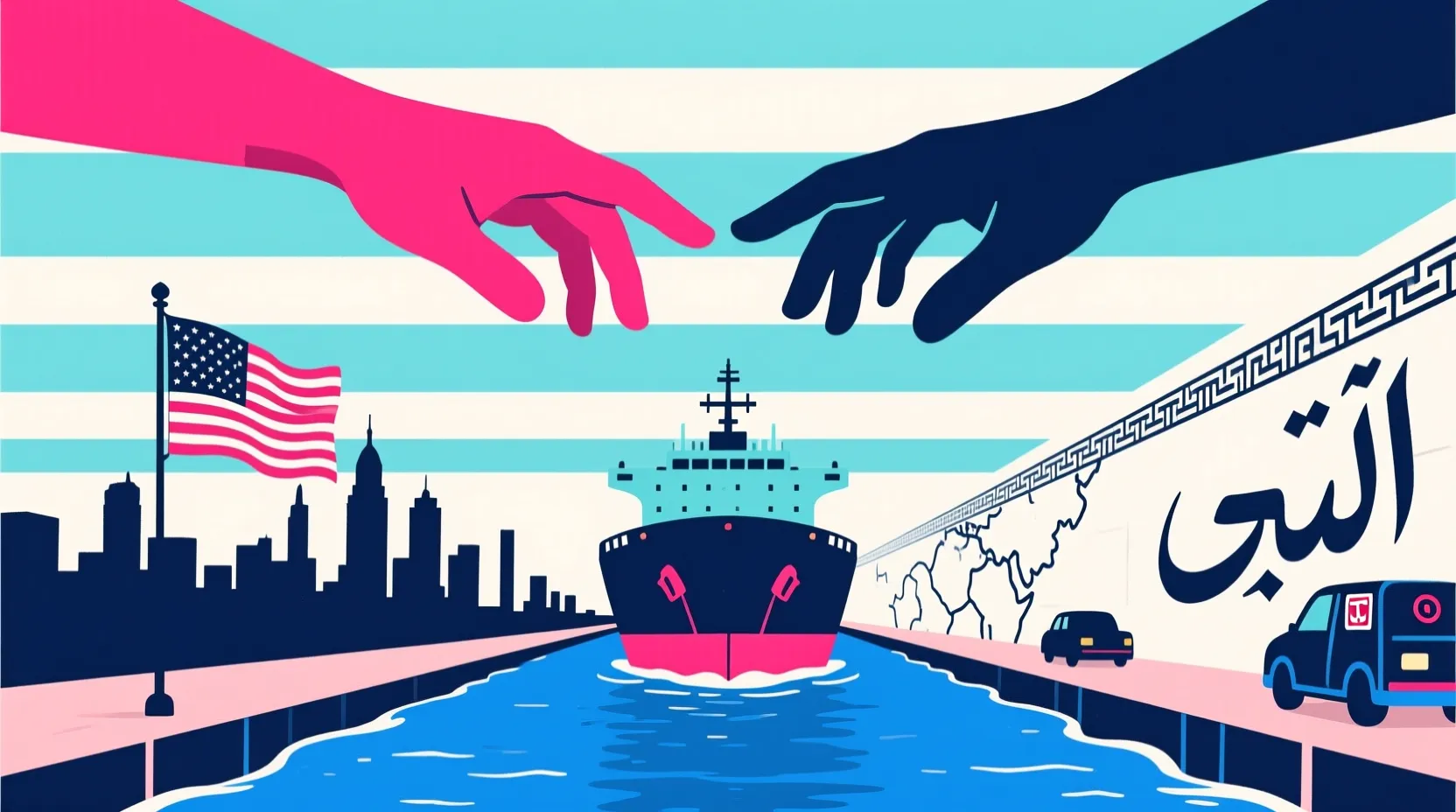
Trump warns Iran not to start charging ships for passage through the Strait of Hormuz
After a shaky ceasefire, tensions simmer as shipping traffic remains low and rhetoric heats up.

At a glance
What matters most
- Trump warned Iran against charging tolls for ships passing through the Strait of Hormuz, a move that could disrupt global oil supplies.
- Only about a dozen vessels passed through the strait in the first two days after the ceasefire, far below usual levels.
- The low traffic suggests ongoing caution among shipping companies amid regional uncertainty.
- Iran's potential move signals a bid for leverage, but could provoke a strong international response.
Across the spectrum
What people are saying
A quick look at how the same story is being framed from different angles.
On the Left
<p>Trump's warning feels more like political theater than a serious foreign policy strategy. Iran's consideration of tolls is less about revenue and more about asserting sovereignty after years of U.S.-led sanctions and military pressure. The real story is how American brinkmanship has pushed the region to this point, and how fragile diplomacy is undermined every time a former leader reignites fear for attention.</p>
In the Center
<p>Whether or not Iran imposes tolls, the situation highlights a dangerous power play at a critical global chokepoint. Freedom of navigation is a cornerstone of international trade, and any attempt to restrict it-by force or fee-risks destabilizing the region. Diplomatic efforts need to focus on building trust, not amplifying threats from the sidelines.</p>
On the Right
<p>Trump is right to speak up. Allowing Iran to charge tolls through the Strait of Hormuz would set a dangerous precedent, effectively letting a hostile regime tax global commerce. Strong, early warnings are necessary to deter aggression and protect American interests abroad. Silence would be seen as weakness.</p>
Full coverage
What you should know
In a new escalation of rhetoric, Donald Trump has warned Iran not to start charging tolls for commercial ships passing through the Strait of Hormuz. The waterway, a narrow chokepoint between the Persian Gulf and the Arabian Sea, is used by about a fifth of the world's oil supply. Any attempt to monetize or restrict access could have ripple effects across global energy markets.
The warning follows a shaky ceasefire in the region, after which maritime traffic through the strait has remained unusually low. According to shipping data, only around a dozen vessels made the passage in the first two days after the truce took hold-far below the typical daily count of over 100. That slowdown reflects lingering fears among shipping firms about safety and freedom of navigation.
While Iran has not officially announced a toll system, the idea has surfaced in regional discussions. Analysts interpret Trump's comments as an attempt to draw a clear red line. His message seems intended not just for Tehran, but also for global allies and energy markets watching for signs of instability.
The current pause in hostilities is fragile. Recent fighting had already disrupted trade and raised insurance costs for vessels in the area. Now, even without active conflict, the mere possibility of tolls or restricted access is enough to keep many ships away. That hesitation could hurt regional economies dependent on shipping and trade.
Some experts see Iran testing its leverage. With global attention divided and diplomatic channels strained, Tehran may believe it can push boundaries without triggering a military response. But doing so risks uniting international navies around freedom-of-navigation operations, something the U.S. and allies have conducted in the past.
For now, no tolls have been implemented, and no ships have been turned away. But the situation remains fluid. The low volume of traffic suggests that confidence in the region's stability hasn't returned-even with a ceasefire on paper.
What happens next could depend on how firmly other nations back the principle of open waterways. If Iran moves forward with tolls, it won't just be answering to Trump-it could face broader diplomatic and economic consequences.
About this author
Zwely News Staff compiles multi-source reporting into concise, viewpoint-aware coverage for readers who want context without noise.
Source Notes
Trump warns Iran against charging tolls to go through Strait of Hormuz
Only about a dozen ships passed through the Strait of Hormuz in the first two days of the ceasefire, far below normal traffic levels before the war, data shows.
The Only Good News is that Trump Didn’t Pull the Trigger
Iran just learned exactly how much leverage it has.
Previous story
JD Vance is stepping into a global spotlight with Iran peace talks this weekend
Next story