
North Sea oil prices hit record high as Iran keeps hold over Hormuz
A shaky ceasefire hasn't eased tensions-or traffic-in one of the world's most critical oil chokepoints.
At a glance
What matters most
- North Sea oil prices surged to a record high on April 10, 2026, driven by ongoing disruptions in the Strait of Hormuz.
- Despite a ceasefire deal between Washington and Tehran, vessel traffic through the strait remains below 10% of normal levels.
- Both sides are blaming each other for failing to uphold the agreement, leaving global markets in limbo.
- The bottleneck is tightening energy supplies, raising fears of broader economic ripple effects.
Across the spectrum
What people are saying
A quick look at how the same story is being framed from different angles.
On the Left
The crisis underscores the dangers of relying on military-heavy foreign policy. A ceasefire on paper means little without accountability and international oversight. Until the U.S. shifts toward diplomacy over deterrence, such fragile agreements will keep failing working people.
In the Center
Both sides appear to be adhering to a technical ceasefire, but the lack of enforcement and verification mechanisms is prolonging the disruption. Market stability depends on restoring trust, which requires clear, verifiable actions from both Washington and Tehran.
On the Right
Iran is exploiting the ceasefire to maintain economic pressure while avoiding direct confrontation. The U.S. should respond with stronger sanctions and a visible naval presence to ensure freedom of navigation isn't held hostage by bad faith actors.
Full coverage
What you should know
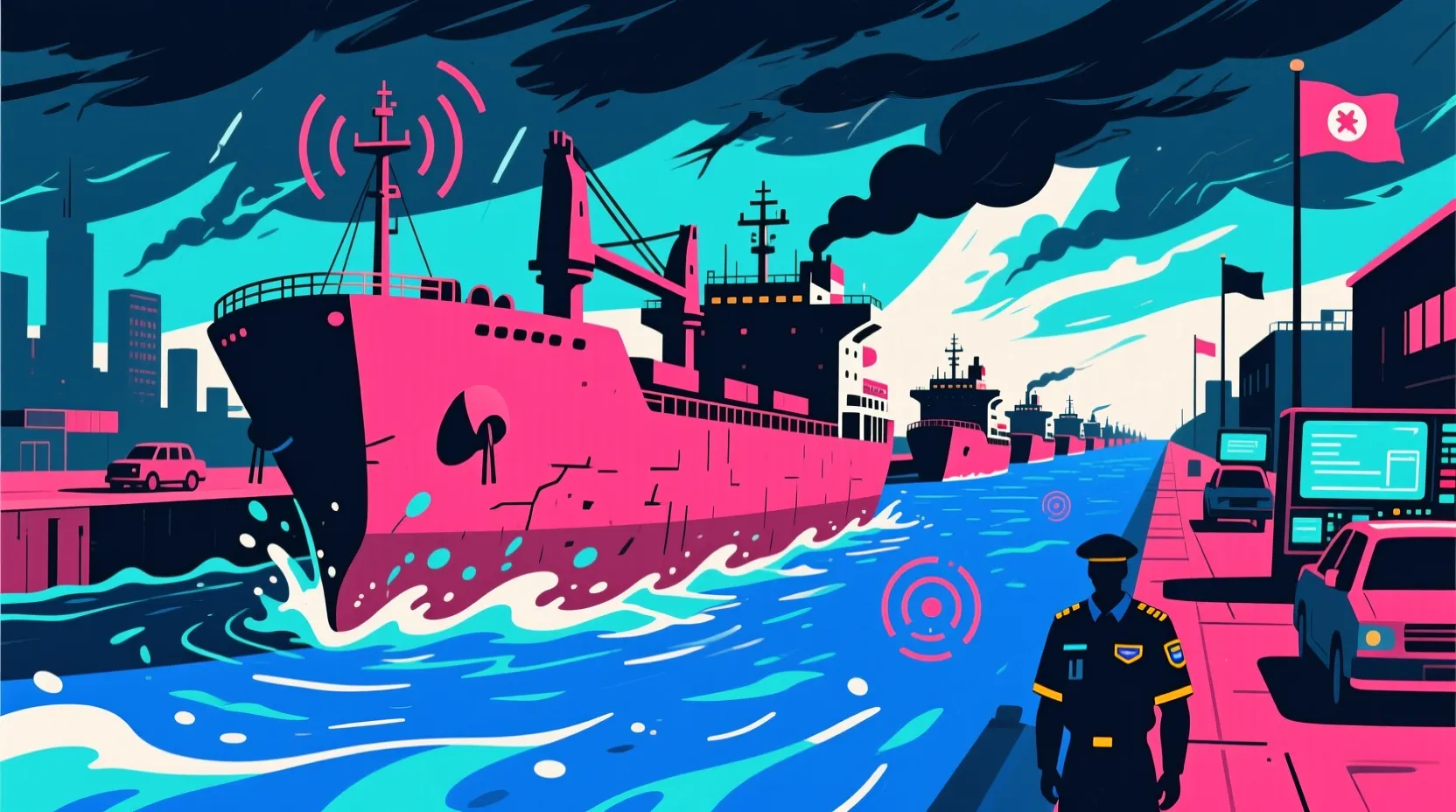
North Sea oil prices hit a record high Thursday as the flow of tankers through the Strait of Hormuz stayed nearly frozen, despite a recently announced ceasefire between the United States and Iran. The strategic waterway, which handles about a third of the world's seaborne oil, has seen traffic drop to less than 10% of its usual volume, according to maritime tracking services.
The ceasefire, intended to de-escalate months of rising tensions, included promises from Iran to stop targeting civilian vessels. But in practice, few ships are testing the waters. Commercial operators remain wary, and insurers are demanding steep premiums for any transit attempts. Satellite data shows a growing queue of tankers idling in the Gulf, waiting for clearer signals before moving.
Washington and Tehran are trading blame. U.S. officials say Iran is using bureaucratic delays and naval posturing to maintain a de facto blockade, while Iranian sources argue that American military presence in the region continues to violate the spirit of the truce. Neither side has reported direct hostilities since the agreement, but the lack of trust is stalling recovery.
The ripple effects are already being felt. European refineries, which rely heavily on Middle Eastern crude delivered via the strait, are adjusting operations. Some have begun drawing down reserves, while others are seeking alternative supplies at higher costs. The price of Brent crude, benchmarked in the North Sea, climbed above $145 per barrel-its highest level ever-reflecting mounting anxiety over sustained supply constraints.
Energy analysts warn that even a partial restoration of traffic may not calm markets quickly. Rebuilding confidence among shipping companies will take time, and any misstep could reignite tensions. "It's not just about physical flow," said one commodities strategist. "It's about whether anyone believes the route is safe enough to bet their cargo on."
Global leaders are urging both sides to clarify their commitments. The United Nations has called for an independent monitoring mechanism, but no agreement has been reached. For now, the world's oil supply remains tethered to a narrow channel where diplomacy is moving slower than a laden tanker.
With summer driving seasons approaching in the Northern Hemisphere, the pressure is growing. If the strait remains clogged, consumers could see higher fuel prices within weeks. For policymakers, the challenge isn't just ending conflict-it's proving that peace can actually move ships.
About this author
Zwely News Staff compiles multi-source reporting into concise, viewpoint-aware coverage for readers who want context without noise.
Source Notes
North Sea oil prices hit record high as Iran keeps hold over Hormuz
Washington-Tehran ceasefire agreement fails to stem global energy crunch
Shipping in Strait of Hormuz at a standstill despite US-Iran ceasefire
Washington and Tehran accuse each other of not honouring truce agreement.
Shipping Remains Slow at Strait of Hormuz Despite Ceasefire
Ship-tracking services reported on Thursday that traffic through the Strait of Hormuz remains at less than 10 percent of its normal level, despite Iran ostensibly promising to halt terror attacks on civilian vessels as part of its ceasefire...
Previous story
Trump warns Iran not to start charging ships for passage through the Strait of Hormuz
Next story