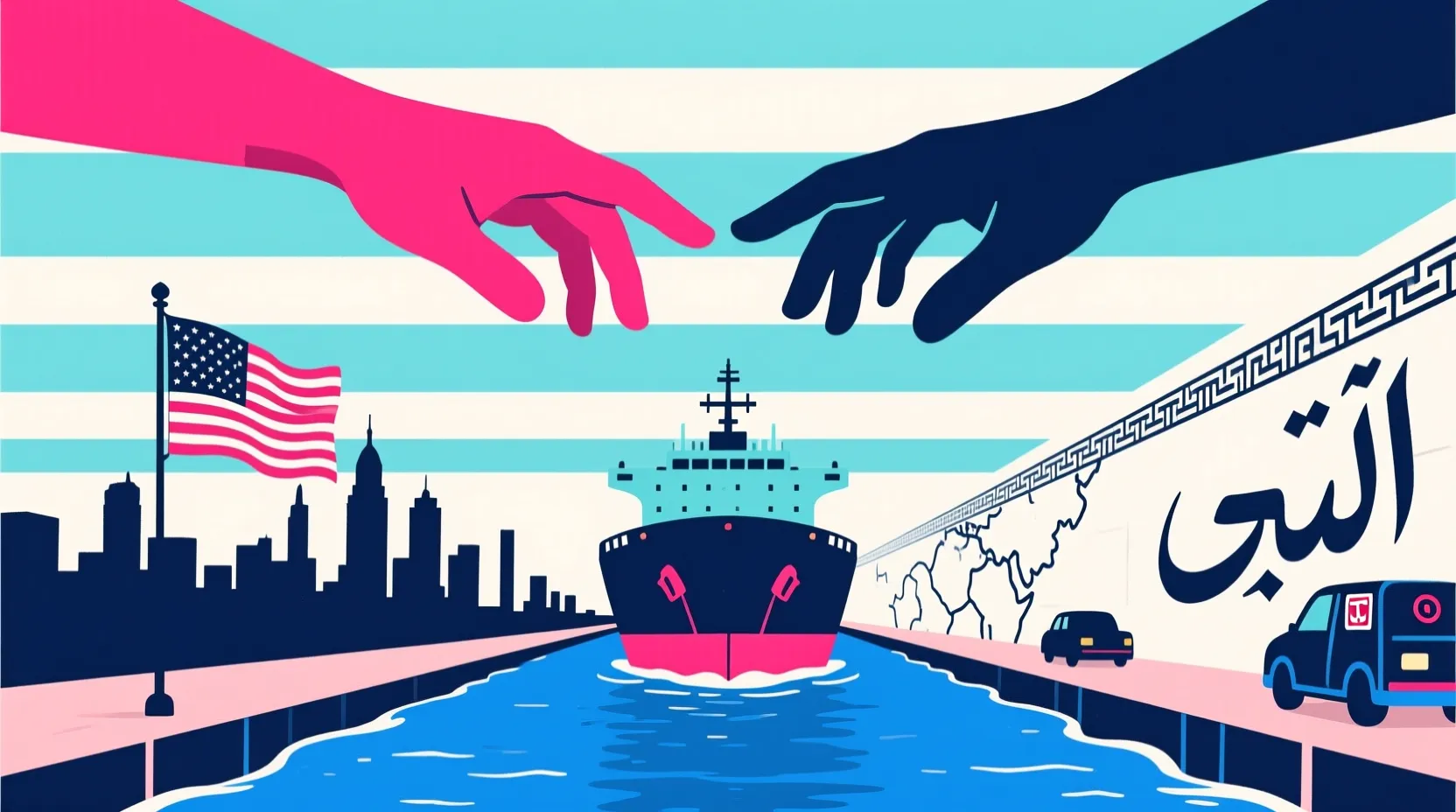
Trump warns Iran over tanker fees as tensions flare in the Gulf
Oil prices inch up and NATO allies push back as the administration ramps up pressure on Tehran.
At a glance
What matters most
- President Trump warned Iran to stop demanding payments from tankers in the Strait of Hormuz, a key global oil route.
- Oil prices rose slightly as shipping disruptions continue, despite a nominal ceasefire.
- NATO is divided, with France and Spain blocking U.S. use of their bases for potential Iran operations.
- Trump has lashed out at conservative media figures who oppose the Iran push, adding to political tension at home.
Across the spectrum
What people are saying
A quick look at how the same story is being framed from different angles.
On the Left
Trump's aggressive rhetoric toward Iran risks dragging the U.S. into another Middle East conflict based on exaggerations and political posturing. His attacks on conservative critics show he's more focused on silencing dissent than building a thoughtful, diplomatic strategy. With NATO allies pulling back and fact-checkers debunking his claims, this escalation appears driven more by ego than national interest.
In the Center
The administration is trying to deter Iranian coercion in a critical waterway, which is a legitimate strategic concern. But the lack of allied support and internal Republican division suggest the approach lacks broad consensus. Balancing firmness with diplomacy will be key to avoiding unintended escalation while protecting global energy flows.
On the Right
Trump is standing strong against a hostile regime that threatens global trade and U.S. interests. While intra-party criticism is unfortunate, the president is right to call out media figures who echo Tehran's talking points. Europe's reluctance to support U.S. defense efforts only proves America needs to lead boldly when allies won't.
Full coverage
What you should know
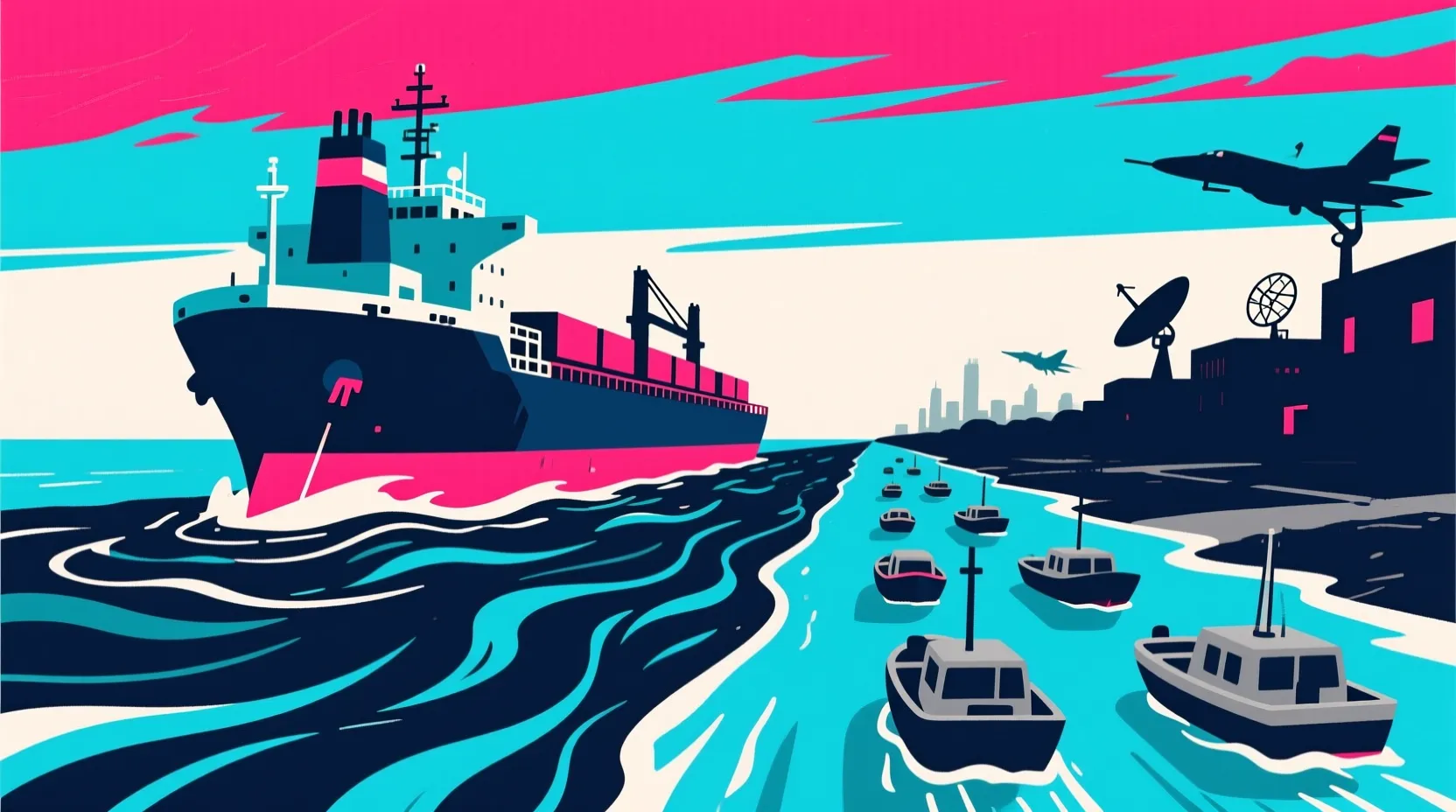
President Donald Trump has reignited tensions with Iran, warning the country to cease demands for payments from commercial tankers moving through the Strait of Hormuz. In a statement Thursday, Trump said, "Stop now," referring to reports that Iranian vessels have been intercepting and charging oil ships for safe passage. The strategic waterway handles about 20% of the world's traded oil, and even minor disruptions can ripple through global markets. Oil prices edged higher overnight, with Brent crude rising above $92 a barrel amid lingering uncertainty.
The flare-up comes despite a brief ceasefire announced earlier in the week, which failed to restore normal shipping patterns. Analysts say tanker operators remain cautious, rerouting vessels or securing military escorts, contributing to delays and increased costs. The U.S. has deployed additional naval assets to the region, though officials stress that no direct military engagement has occurred since the latest standoff began.
Domestically, the administration's approach is drawing criticism from unexpected quarters. Several prominent right-wing commentators, including Tucker Carlson and Alex Jones, have voiced opposition to escalating conflict with Iran. In an uncharacteristic move, Trump fired back in a series of social media posts, calling them "NUT JOBS" and accusing them of undermining national security. The public rift highlights growing strain within conservative circles over foreign military involvement.
Meanwhile, NATO is facing internal strain. The Financial Times reports that France and Spain have refused to authorize the use of their military bases for any U.S.-led operations against Iran. Trump reportedly reacted with fury, calling the decision "weak and dangerous" during a private call with European counterparts. The refusal underscores a widening gap between Washington and some of its traditional allies on how to handle Iran's regional influence.
On the domestic front, fact-checkers are also scrutinizing recent claims made by Trump about Iran's military capabilities and intentions. The American Conservative published a detailed review of his latest speech, pointing to several inaccuracies regarding Iran's nuclear timeline and regional attacks. While such scrutiny is common, the timing amplifies concerns about the factual basis for potential military action.
Despite the diplomatic and political turbulence, the White House appears intent on maintaining pressure. Officials say the goal is to force Iran back into negotiations without escalating to full conflict. But with oil markets jittery, allies hesitant, and divisions deepening at home, the path forward remains uncertain.
For now, the world is watching the Gulf-and listening closely to every message out of Washington.
About this author
Zwely News Staff compiles multi-source reporting into concise, viewpoint-aware coverage for readers who want context without noise.
Source Notes
Oil edges higher as U.S.-Iran ceasefire fails to boost traffic via Strait of Hormuz
U.S. President Donald Trump on Thursday warned Iran to "stop now" if it was charging tankers to transit the Strait of Hormuz.
Fact-Checking Trump’s Claims About Iran
A speech by the president last week featured many inaccuracies. The post Fact-Checking Trump’s Claims About Iran appeared first on The American Conservative.
Nato split over US access to European bases in Iran war
Donald Trump irate at France and Spain’s refusal to authorise use of military facilities
Trump vows ‘severe justice’ for suspect in fatal bludgeoning of Florida woman
President Donald Trump vowed that “quick and severe justice” would be meted out for the illegal immigrant who allegedly bludgeoned a mother to death with a hammer outside a Florida gas station last week. In a long Truth Social post on Thurs...
Trump Lashes Out at ‘NUT JOBS’ Tucker Carlson, Alex Jones, Megyn Kelly
The president attacked several prominent right-wing commentators who have opposed the war against Iran
Previous story
North Sea oil prices hit record high as Iran keeps hold over Hormuz
Next story