
US intercepts Iranian shadow fleet tanker in the Arabian Sea
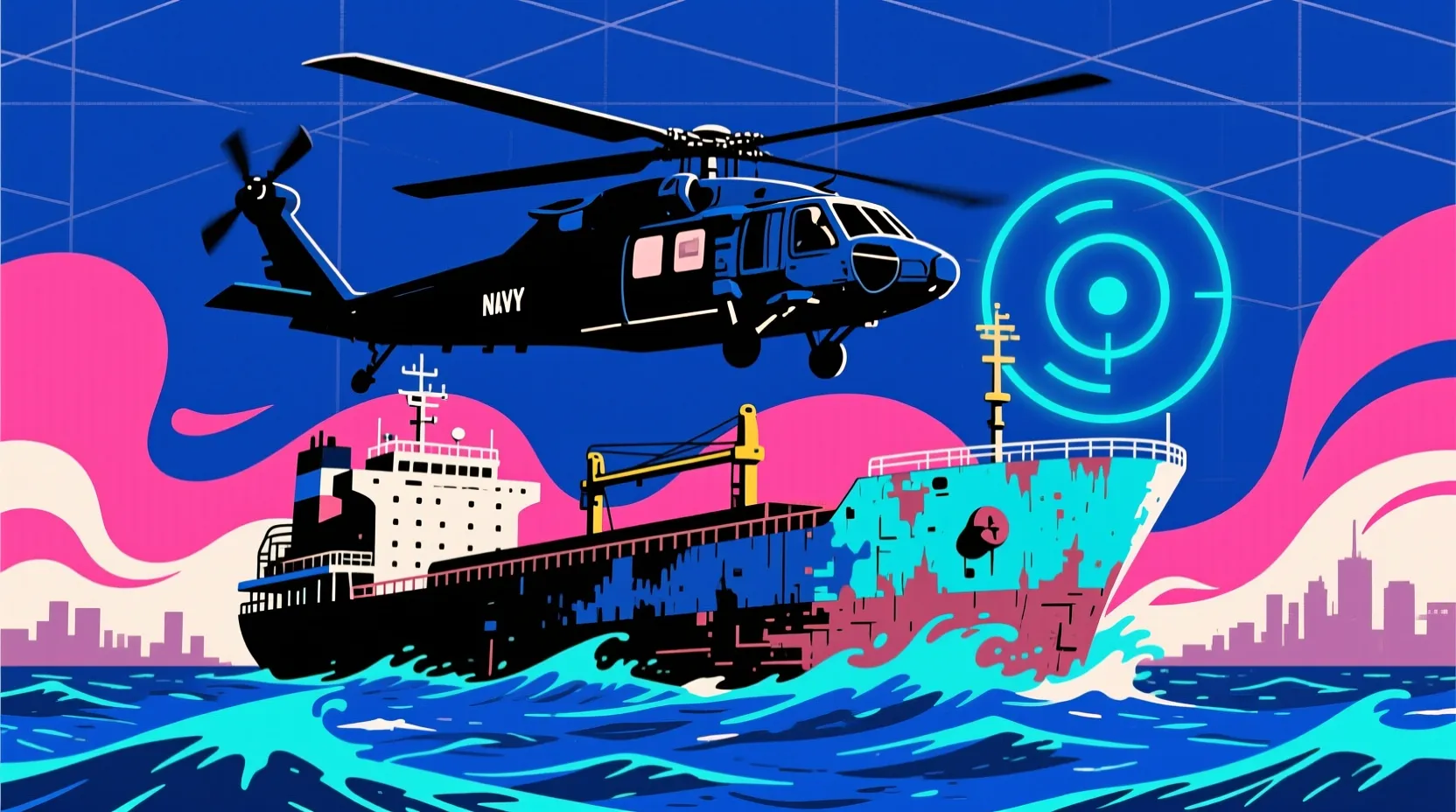
A US Navy helicopter stopped the vessel Sevan, part of a broader crackdown on Iran's covert oil network
At a glance
What matters most
- The US Navy blocked the Sevan, a sanctioned tanker linked to Iran's shadow fleet, in the Arabian Sea and ordered it to turn back
- The Treasury Department recently sanctioned 19 vessels and a major Chinese refinery for helping Iran evade oil export restrictions
- Iran uses a network of aging, reflagged tankers to bypass sanctions and sell oil, often using deceptive practices like turning off tracking systems
Across the spectrum
What people are saying
A quick look at how the same story is being framed from different angles.
On the Left
The US should focus on diplomacy over military posturing. While disrupting Iran's oil revenue might seem effective, aggressive interdictions risk escalation and harm ordinary Iranians more than their leaders. Long-term solutions require re-engaging with nuclear talks and easing sanctions as part of a broader deal.
In the Center
Targeting Iran's shadow fleet makes strategic sense as part of economic pressure, especially when paired with sanctions on buyers like Chinese refineries. But enforcement at sea needs clear rules to avoid accidents or conflict. The challenge is balancing deterrence with stability in a volatile region.
On the Right
Strong action against Iran's shadow fleet is long overdue. These tankers fund destabilizing activities across the Middle East, and intercepting them sends a clear message. The US should expand these operations and work with allies to fully isolate Iran's illicit oil network.
Full coverage
What you should know
The US military intercepted a tanker linked to Iran's so-called shadow fleet in the Arabian Sea on Saturday, marking a rare physical enforcement of sanctions at sea. The vessel, named Sevan, was approached by a US Navy helicopter and ordered to reverse course, according to US Central Command. The move underscores growing US efforts to disrupt Iran's covert oil shipping network amid rising regional tensions.
The Sevan is one of 19 vessels newly sanctioned by the Treasury Department for their role in transporting Iranian petroleum. These ships form part of a sprawling, loosely connected armada known as the shadow fleet-tankers that often disable their tracking systems, change names and flags, and rely on ship-to-ship transfers to avoid detection. The goal is to keep Iranian oil flowing despite international sanctions meant to limit its revenue.
Alongside the maritime action, the Treasury targeted Hengli Petrochemical, an independent refinery in China, accusing it of being a major buyer of smuggled Iranian crude. This is notable because it shifts focus from just the ships to the buyers and financiers who keep the system running. Officials say pressuring end-market players increases the cost of doing business with Iran and could deter others from participating.
The shadow fleet has become a critical lifeline for Iran's economy, helping it export millions of barrels of oil monthly, primarily to China. While the US and allies have long imposed sanctions, enforcement at sea has been inconsistent. The interception of the Sevan suggests a more assertive posture, possibly signaling to Iran and its partners that evasion tactics may no longer go unchallenged.
Still, intercepting a single tanker won't break the system. The shadow fleet is vast and adaptable, with hundreds of vessels cycling in and out of service. Many are old, poorly maintained, and pose environmental and safety risks. Critics warn that aggressive interdictions could escalate tensions or lead to confrontations in busy shipping lanes, especially if Iran resists.
The Biden administration has framed the crackdown as part of a broader economic pressure campaign aimed at curbing Iran's regional influence and nuclear ambitions. But it also comes at a delicate time, with ongoing indirect talks between the US and Iran and China pushing back against what it calls overreach in enforcing unilateral sanctions.
For now, the Sevan's interception serves as both a tactical move and a symbolic one-showing that the US is willing to act beyond paper sanctions. Whether it leads to a sustained shift in how shadow fleets are challenged remains to be seen.
About this author
Zwely News Staff compiles multi-source reporting into concise, viewpoint-aware coverage for readers who want context without noise.
Source Notes
US intercepts sanctioned Iranian ‘shadow fleet’ vessel in Arabian Sea
The U.S. military intercepted a sanctioned vessel in the Arabian Sea on Saturday that is part of Iran‘s “shadow fleet.” U.S. Central Command said the vessel, Sevan, was blocked by a Navy helicopter and ordered to turn around and head back t...
US Intercepts Iranian 'Shadow Fleet' Vessel as Ports Blockade Intensifies
The U.S. Treasury announced sanctions on 19 vessels that form part of Iran's "shadow fleet."
U.S. Unveils More Sanctions Targeting Iran’s Shadow Fleet
The Treasury Department also targeted a top independent Chinese refinery that it said was a major buyer of Iranian petroleum.
Previous story
Mexico says the two CIA agents killed in a crash weren't cleared for the drug raid they were part of
Next story