US pulls back on intel sharing with South Korea after minister speaks up about suspected North Korean site
A diplomatic hiccup over a sensitive security issue coincides with positive economic news for Seoul's battery industry

At a glance
What matters most
- The US has temporarily limited intelligence sharing with South Korea after its unification minister disclosed details about a suspected North Korean nuclear site.
- The move reflects longstanding US concerns about information discipline when it comes to sensitive intelligence on North Korea.
- At the same time, South Korea's battery sector saw a boost as major firms announced new deals with Mercedes-Benz, lifting market sentiment.
- The incident highlights the delicate balance Seoul must maintain between transparency and security in its alliance with Washington.
Across the spectrum
What people are saying
A quick look at how the same story is being framed from different angles.
On the Left
This incident shows how military secrecy often overrides public accountability. While intelligence protocols matter, citizens have a right to know about threats and how their government responds. The US reaction risks discouraging transparency in democracies.
In the Center
The US response, while firm, is a predictable move to protect sensitive sources and methods. Allies must balance openness with operational security, especially when dealing with a regime as opaque as North Korea's.
On the Right
Loose talk about classified intelligence puts lives and missions at risk. The US was right to act swiftly-strong alliances depend on trust and discipline, not political grandstanding.
Full coverage
What you should know
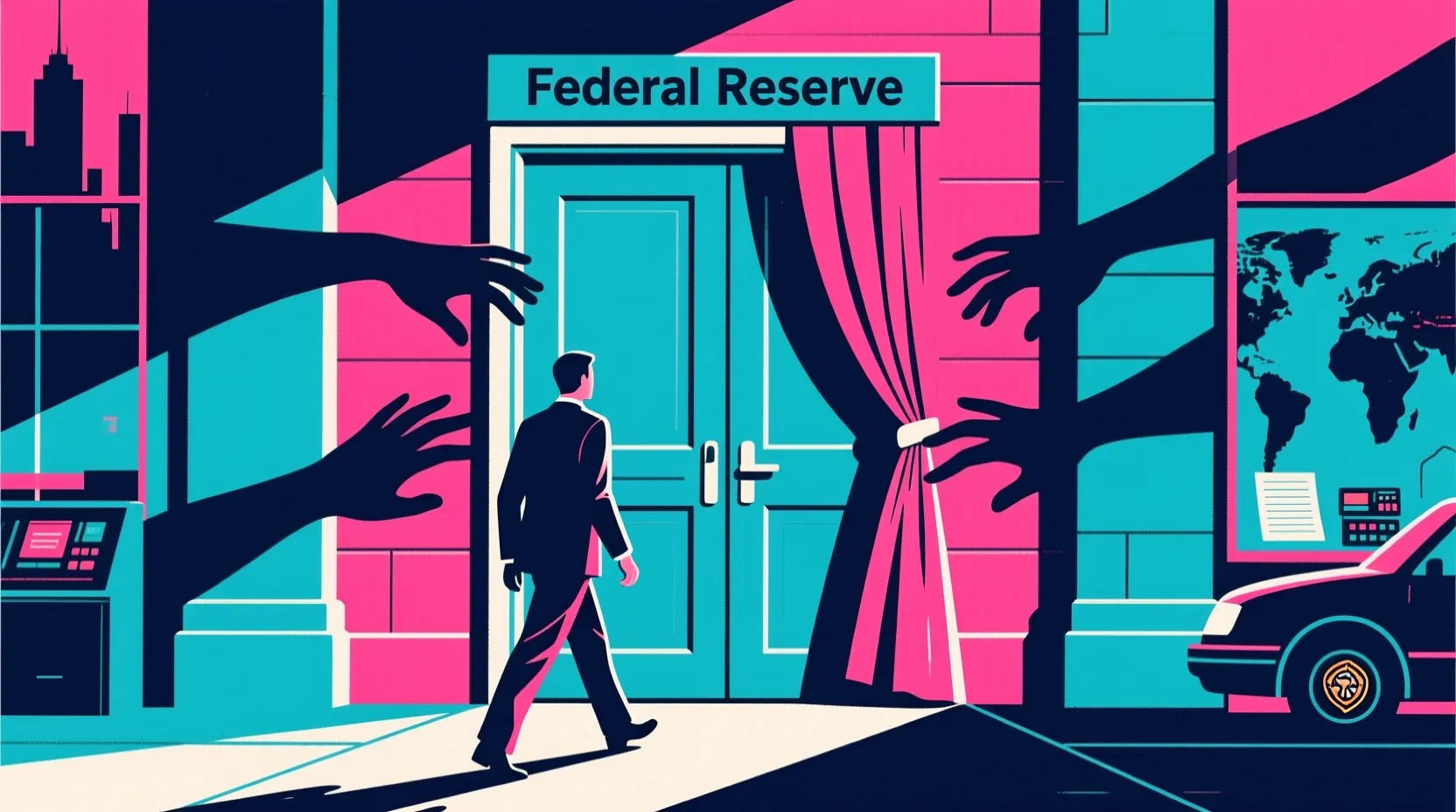
The United States has quietly scaled back some intelligence sharing with South Korea after Unification Minister Kim Hyun-soo publicly pointed to a suspected nuclear facility in North Korea, according to reports from The Guardian. The move, described as a partial restriction on satellite and surveillance data, signals Washington's frustration over what it sees as a breach of protocol in handling sensitive intelligence.
Kim had referenced the suspected site during a parliamentary hearing last week, describing its location and possible function in detail. While South Korean officials framed the comments as a push for transparency, US officials reportedly viewed them as reckless, given the risk of alerting North Korea to surveillance capabilities. Intelligence sharing between the two allies has long relied on strict confidentiality, especially regarding North Korea's weapons programs.
Officials in Washington have not issued a formal statement, but sources familiar with the situation say the restrictions are limited and reversible. They're seen as a corrective measure rather than a long-term punishment. Still, the episode has stirred debate in Seoul about how much detail ministers should disclose when discussing national security matters.
Meanwhile, on the economic front, South Korea's battery industry got a welcome lift. Shares of top battery makers LG Energy Solution and Samsung SDI jumped Tuesday after the companies confirmed new supply agreements with Mercedes-Benz Group AG. The deals, focused on next-generation EV batteries, are expected to support production at European plants and ease pressure on a sector that's faced headwinds from slowing EV demand.
The contrast between the diplomatic tension and the economic win underscores the complexity of South Korea's current position-navigating tight security coordination with the US while pushing to maintain its edge in global tech and manufacturing. The battery deals could also strengthen Seoul's leverage in broader trade talks, even as the intelligence spat simmers.
Allies often have behind-the-scenes disagreements, and this one appears contained for now. Analysts suggest the US action is more about sending a message than unraveling cooperation. Still, it's a reminder that even close partnerships require careful management, especially when lives and regional stability hang in the balance.
South Korean officials have not publicly responded to the intelligence restrictions, but diplomatic channels remain open. With North Korea continuing to modernize its arsenal, both Washington and Seoul have strong incentives to smooth things over quickly-without sacrificing trust or transparency.
About this author
Zwely News Staff compiles multi-source reporting into concise, viewpoint-aware coverage for readers who want context without noise.
Source Notes
US ‘restricts intelligence sharing with South Korea’ after minister identified suspected nuclear site
Washington reportedly limits satellite data after minister spoke publicly about suspected facility in North KoreaThe US has partly restricted intelligence sharing with South Korea after the country’s unification minister publicly identified...
South Korean Battery Stocks Rally on Mercedes-Benz Partnership
Shares of South Korea’s top battery makers jumped Tuesday after clinching deals with Mercedes-Benz Group AG, providing a welcome boost to a sector that has been hit by the slowing global transition to electric vehicles.
Previous story
South Africa's police boss charged over health contract oversight failure
Next story