Vance is in Islamabad pushing for a breakthrough with Iran
The vice president is leading rare high-level talks as tensions simmer and protests flare inside Iran
At a glance
What matters most
- Vice President JD Vance is leading face-to-face talks with senior Iranian officials in Islamabad, marking the highest-level U.S.-Iran negotiations in years
- The talks come as protests intensify inside Iran, with citizens calling for an end to the current leadership
- President Trump said the U.S. 'wins regardless' of the outcome, a stance that's drawing mixed reactions from allies and analysts
- The meeting is seen as a rare diplomatic opening, though major obstacles remain over nuclear ambitions and regional influence
Across the spectrum
What people are saying
A quick look at how the same story is being framed from different angles.
On the Left
These talks could be a chance to de-escalate years of hostility, but Trump's 'we win anyway' rhetoric undermines the diplomacy Vance is trying to do. Real progress requires patience and mutual concessions, not victory claims before the work's done. The protests in Iran also highlight how much is at stake for ordinary people who've suffered under both sanctions and repression.
In the Center
The fact that high-level talks are happening at all is significant, even if expectations are low. Vance's presence signals a shift from pure confrontation, while Trump's comments reflect a political need to appear strong. The real test will be whether either side can move beyond symbolism and agree on concrete, verifiable steps.
On the Right
Sending Vance shows seriousness, but the U.S. shouldn't act like it needs a deal. Trump's message makes clear that America holds the upper hand - with sanctions, military strength, and regional allies. Any agreement must fully dismantle Iran's nuclear ambitions, not just delay them with temporary promises.
Full coverage
What you should know
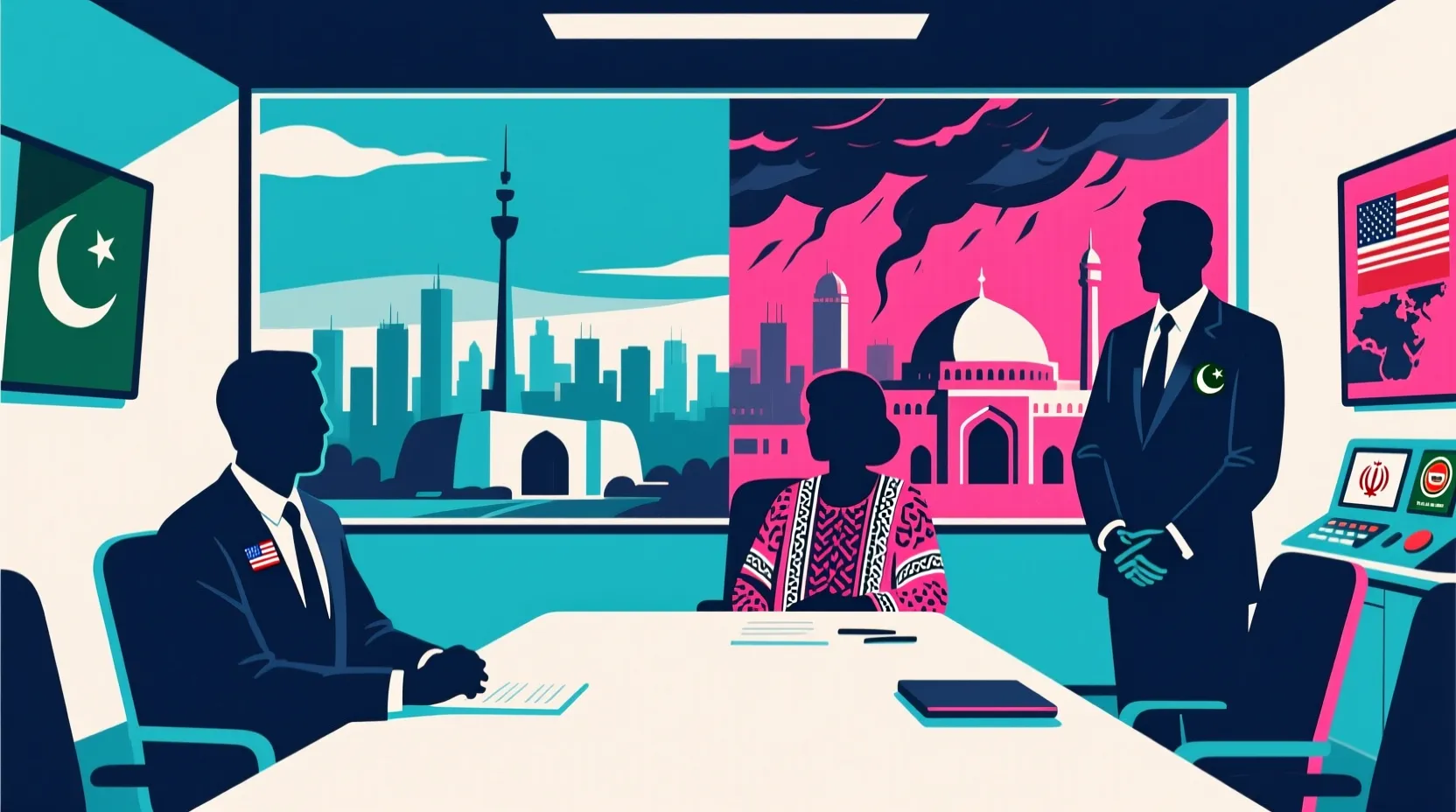
Vice President JD Vance touched down in Islamabad this week to lead a high-stakes diplomatic effort with Iran, the first direct talks at this level between the two nations in over a decade. Sitting across from senior Iranian negotiators, Vance is pushing for movement on long-frozen issues, including Iran's nuclear program and its regional military activities. The meeting, hosted by Pakistan as a neutral party, signals a rare willingness to engage, even as deep distrust lingers on both sides.
The timing is tense. Inside Iran, protests have grown louder and more widespread, with citizens demanding political change and an end to the current clerical rule. Videos and reports from the ground show crowds in several cities defying security forces, adding pressure on the regime as it weighs its position at the negotiating table. The unrest isn't the main focus of the talks, but it's shaping the backdrop - and possibly Iran's willingness to make concessions.
Back in Washington, President Donald Trump weighed in with his usual bluntness, telling reporters the U.S. 'wins regardless of what happens' in Islamabad. That comment, while typical of his style, has raised eyebrows among diplomats who say it could undermine the delicate tone needed for progress. Still, the administration appears to be using a mix of pressure and outreach, with Vance presenting a more measured face than the president's public statements suggest.
There's no expectation of a sweeping deal emerging from this round. Instead, officials say the goal is to establish a working channel and possibly agree on confidence-building steps, like limiting certain nuclear activities or reducing support for proxy forces in the region. Even small steps would be significant, given how little direct communication has existed between Washington and Tehran in recent years.
Pakistan's role as host is also noteworthy. By offering neutral ground, Islamabad is stepping into a diplomatic spotlight it hasn't occupied in years. Officials there have emphasized their desire for regional stability, and hosting these talks could boost their standing with both Western and Middle Eastern powers.
Still, skepticism remains high. Critics on all sides question whether either government is truly ready to compromise. In the U.S., some worry that any deal could repeat the flaws of the 2015 nuclear agreement, while hardliners in Iran see talks as a sign of weakness. And with protests growing, the Iranian delegation may be under pressure not to appear too flexible.
For now, the fact that the talks are happening at all is being seen as a shift. Whether they lead to real change depends on what happens behind closed doors - and whether either side is willing to take a political risk for the sake of progress.
About this author
Zwely News Staff compiles multi-source reporting into concise, viewpoint-aware coverage for readers who want context without noise.
Source Notes
Vice President Vance leads high-stakes peace talks between U.S. & Iran
The high-stakes talks between the U.S. and Iran have begun in Pakistan’s capital Islamabad. Vice President JD Vance is leading the American delegations’ meetings with senior Iranian negotiators in what are the highest-level talks ever betwe...
US President Trump says US ‘wins’ regardless of how Iran talks go
US President Donald Trump says ‘we win regardless of what happens’ in Iran talks.
Vance Speaks After Hours Of Face-To-Face Iran Negotiations
Previous story