Iran is keeping the Strait of Hormuz shut, and the world is feeling the squeeze
Ships aren't moving, oil prices are jumping, and no one's sure how long this standoff will last.
At a glance
What matters most
- Iran has blocked the Strait of Hormuz, halting most oil and cargo shipments through one of the world's most vital waterways.
- The move has sent global oil prices sharply higher and raised fears of a prolonged supply crisis.
- U.S. and allied forces are on high alert, but diplomatic and military options remain limited as Iran leverages its geographic advantage.
- Iran's leadership is using the closure to assert regional power and respond to Western sanctions and military presence.
Across the spectrum
What people are saying
A quick look at how the same story is being framed from different angles.
On the Left
Iran's actions are a direct response to years of U.S. sanctions and military pressure. Rather than rushing to a military response, the U.S. should pursue diplomacy and de-escalation, recognizing that Iran is using its limited leverage to resist what it sees as imperial overreach in the region.
In the Center
Iran is exploiting a strategic chokepoint to gain political and economic leverage, but closing the strait risks broader conflict and global instability. The U.S. and its allies need to balance deterrence with diplomatic channels to avoid miscalculation while protecting vital shipping lanes.
On the Right
Iran's blockade of the Strait of Hormuz is an act of economic warfare that threatens global security and energy supplies. The U.S. must respond with strong military readiness and coordinated sanctions to deter further aggression and uphold freedom of navigation.
Full coverage
What you should know
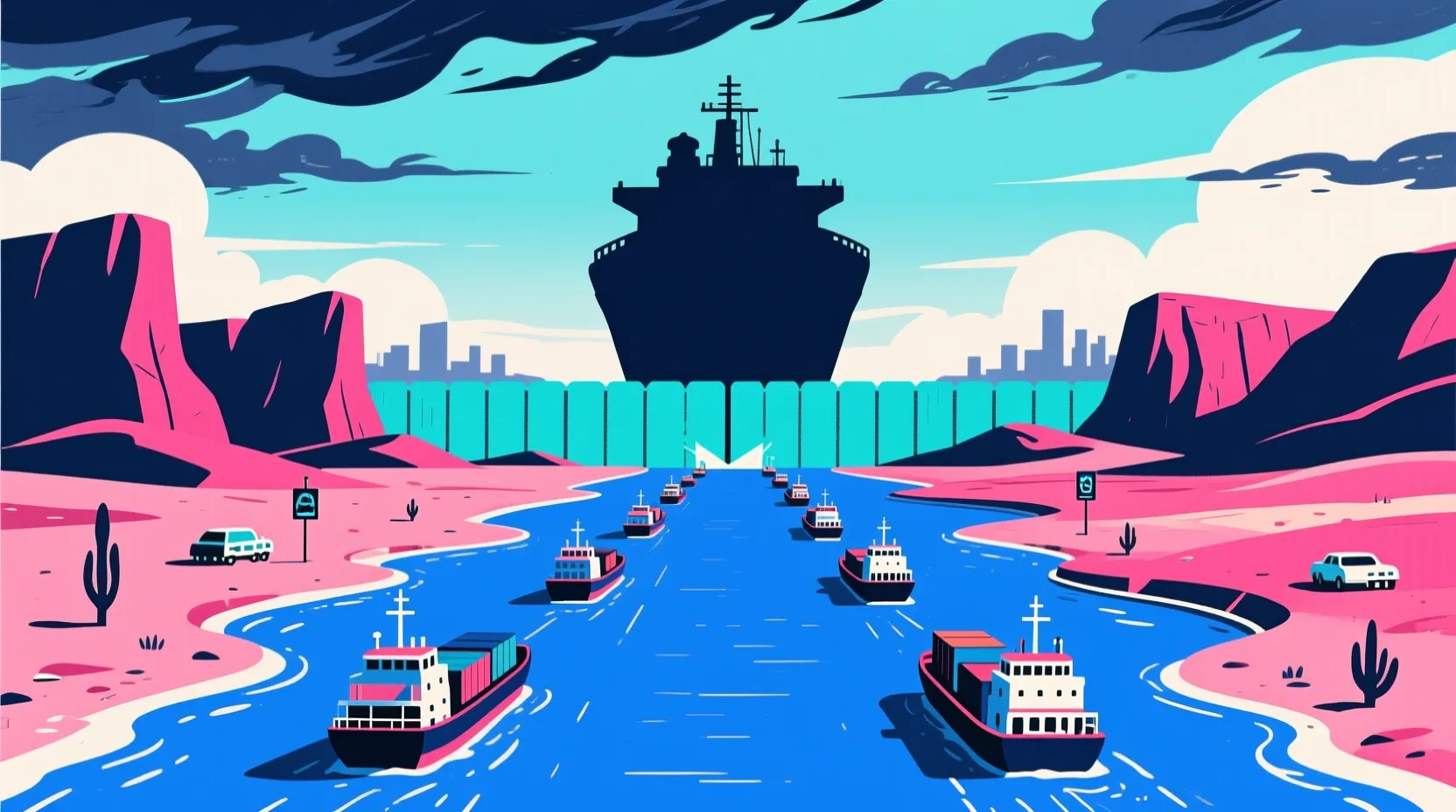
For the past several days, the Strait of Hormuz has been at a standstill. Ships that once carried a fifth of the world's oil through the narrow passage between Iran and the Arabian Peninsula are now idling or rerouting, as Tehran enforces a de facto closure. The message from Iranian officials and state-backed displays-like a massive banner in Tehran's Enqelab Square reading, 'The Strait of Hormuz will remain closed; the entire Persian Gulf is our hunting ground'-is clear: they're in no rush to reopen it.
The closure isn't total, but it's effective. Commercial vessels are avoiding the area, and military ships from the U.S. and allied nations are maintaining a cautious presence. Iran has long claimed sovereignty over parts of the strait and has periodically threatened to shut it during times of tension. This time, the move appears more sustained, possibly in response to tightened Western sanctions and increased U.S. naval activity in the region.
Markets have reacted swiftly. Oil prices have jumped more than 12% in the past week, with Brent crude nearing $130 a barrel. That's putting pressure on economies still recovering from inflation spikes and raising concerns about another energy-driven global slowdown. Countries that rely heavily on Gulf oil, including India, Japan, and South Korea, are quietly seeking alternatives, while European nations are coordinating emergency stockpile releases.
Militarily, the situation is tense but not yet explosive. The U.S. Fifth Fleet, based in Bahrain, has increased patrols, and carrier groups are on standby. But direct confrontation carries huge risks. Iran knows that the strait is its strongest leverage point, and closing it-even partially-gives it outsized influence over global trade without needing to launch attacks or escalate openly.
Diplomacy has so far stalled. There's no public channel of communication between Iran and the U.S. that's producing results, and regional allies like Saudi Arabia and the UAE are urging restraint while quietly preparing for longer-term disruptions. Some analysts believe Iran may be using the closure as a bargaining chip, hoping to extract concessions on sanctions or regional security arrangements.
What makes this moment different from past flare-ups is the duration. Previous threats to close the strait were short-lived and often rhetorical. This time, weeks into the disruption, the world is starting to treat it as a new reality. Insurers are hiking rates for Gulf transits, shipping companies are exploring longer routes around Africa, and energy firms are reevaluating supply chains.
For now, the waterway remains quiet-too quiet. And as long as Iran sees strategic value in keeping it that way, the rest of the world may have to wait, watch, and pay more at the pump.
About this author
Zwely News Staff compiles multi-source reporting into concise, viewpoint-aware coverage for readers who want context without noise.
Source Notes
Our Best Stuff on Iran and the Strait of Hormuz
What the strait’s closure means, who’s running Iran, and more.
Why Iran’s grip on the Hormuz Strait will be hard to break
A giant banner hangs on the side of a building in Tehran’s central Enqelab Square declaring, “The Strait of Hormuz will remain closed; the entire Persian Gulf is our hunting ground.” It’s a blaring reminder of Iran’s key point of leverage i...
Iran and U.S. Blockades in the Strait of Hormuz: What to Know
The foes are trying to exert control over the narrow passageway. Most ships aren’t moving. Here’s what to know.
Previous story
Farmers are getting hit hard by rising fuel and fertilizer costs as the Iran conflict drags on
Next story