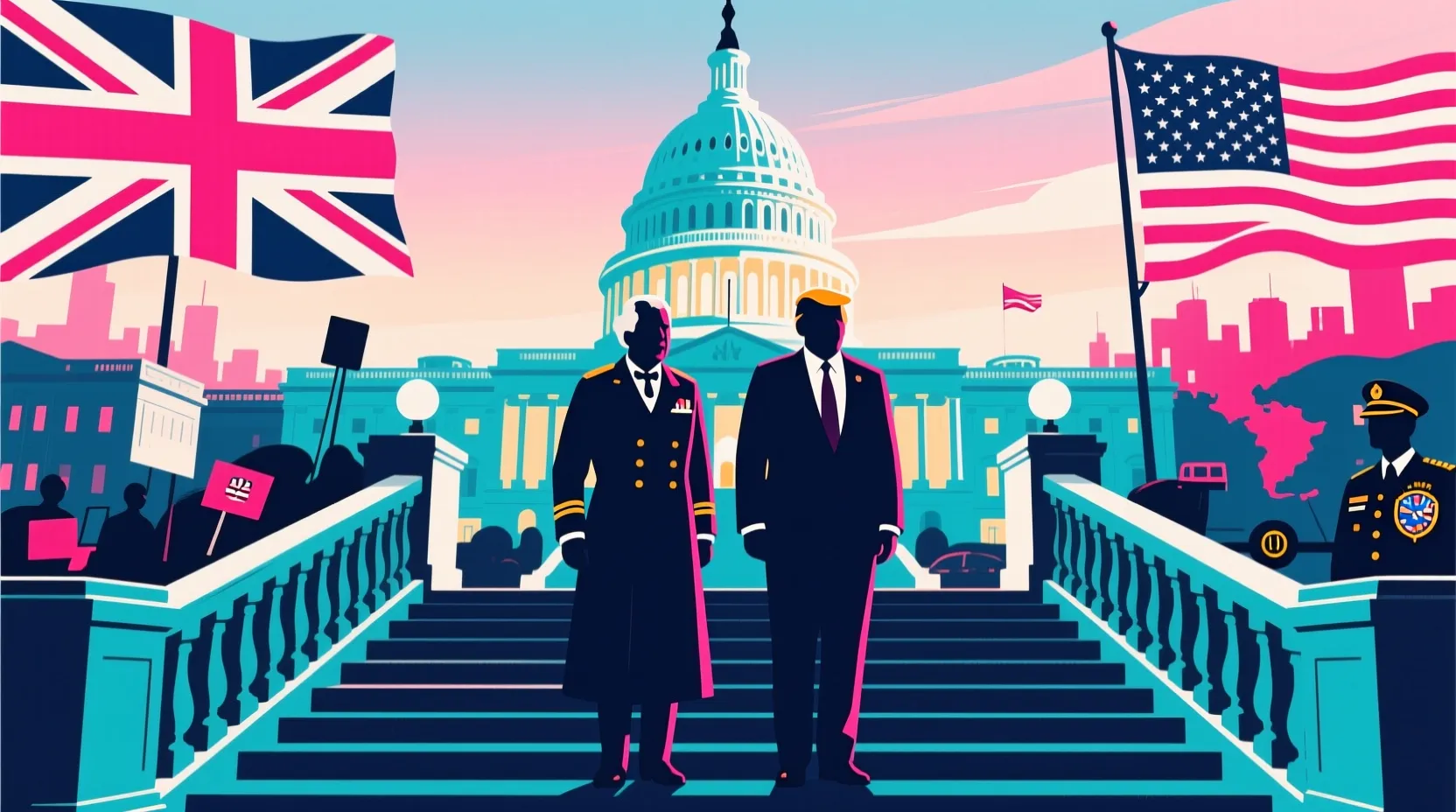
Pakistan is suddenly at the center of US-Iran talks, and everyone's paying attention
What looked like a long shot a year ago is now unfolding fast - with Trump's envoys headed to Islamabad as Iran downplays plans for a meeting
At a glance
What matters most
- Pakistan is now a central player in U.S.-Iran diplomacy, a sharp reversal from its recent standing as a geopolitical pariah
- Trump administration envoys Steve Witkoff and Jared Kushner are traveling to Islamabad this weekend to advance talks
- Iran publicly denies any formal meeting is planned, but behind-the-scenes coordination appears to be ongoing
- Pakistan's top military leadership is being credited with helping open new diplomatic channels
Across the spectrum
What people are saying
A quick look at how the same story is being framed from different angles.
On the Left
This diplomatic opening could be a rare chance to reduce militarization in the Middle East and shift toward diplomacy. Pakistan's role highlights how inclusive, multilateral engagement - even with imperfect partners - can create space for peace. The focus should be on lifting sanctions, addressing humanitarian needs, and ensuring any deal includes human rights safeguards.
In the Center
Pakistan's emergence as a mediator reflects shifting geopolitical realities more than any single policy success. While the economic pressure on Iran may be driving its openness, sustainable progress will depend on verifiable steps from both sides and coordination with allies. Backchannel talks can help build trust, but they need to lead to transparent, actionable outcomes.
On the Right
The U.S. should prioritize results over symbolism. Engaging Iran, even indirectly, risks rewarding aggression. Pakistan has a mixed track record on counterterrorism and regional stability - relying on it as a broker must come with clear conditions. Any deal must ensure Iran cannot advance its nuclear program or fund proxy forces.
Full coverage
What you should know
Pakistan, once sidelined in global diplomacy, is suddenly at the heart of a high-stakes peace effort between the U.S. and Iran. Just a few years after facing international criticism over regional instability and security concerns, the country is now hosting top American envoys tasked with de-escalating tensions in the Middle East. The shift is so fast it's caught even seasoned observers off guard.
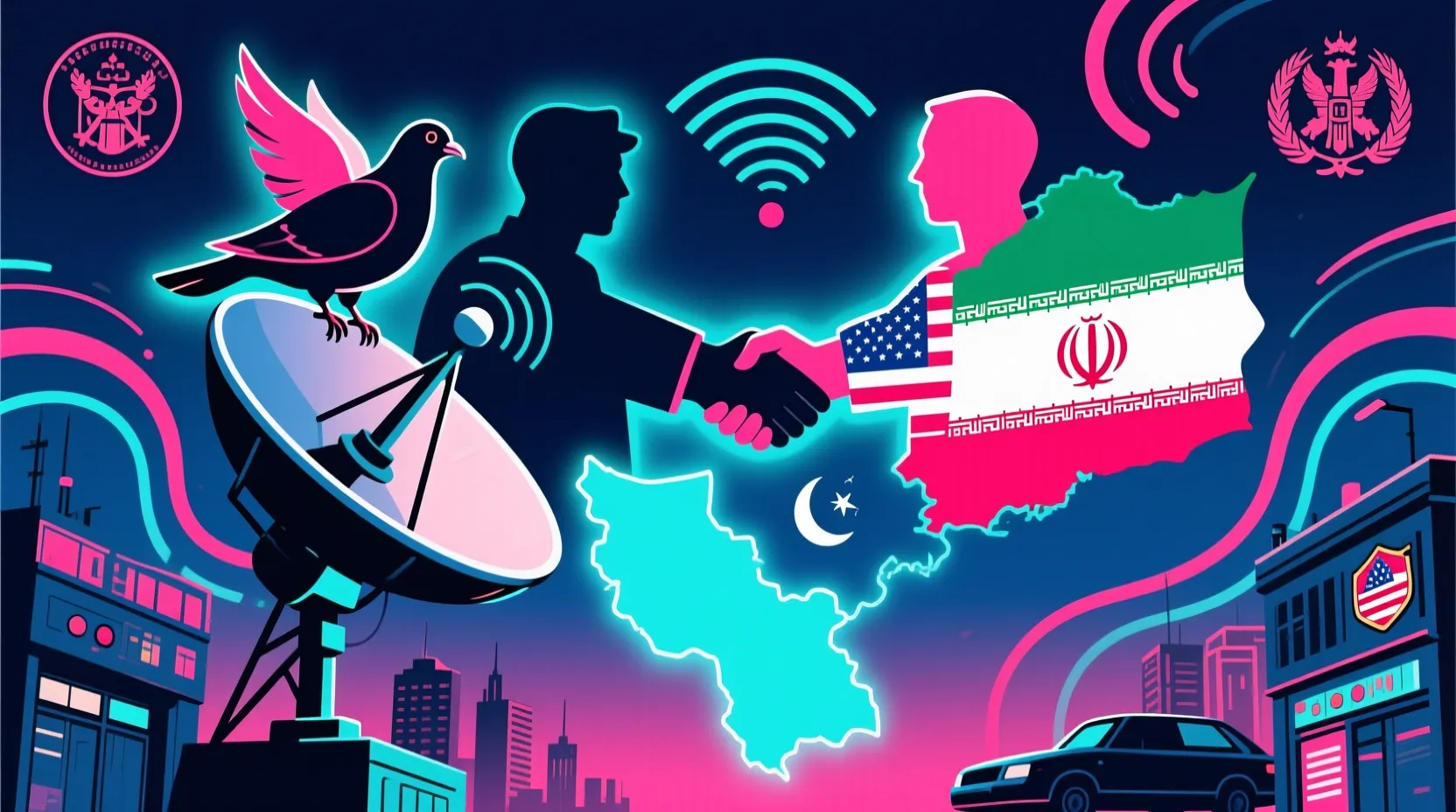
Special envoy Steve Witkoff and former senior adviser Jared Kushner are expected to land in Islamabad this weekend, according to U.S. officials and reports from CNBC. Their mission: to explore pathways toward direct or indirect talks with Iran, possibly using Pakistan as a neutral backchannel. While Iran's foreign ministry has publicly stated there are no formal meetings planned during the visit, the timing and level of U.S. engagement suggest something more is in motion.
What makes this moment striking is Pakistan's transformation. Not long ago, its military leadership was viewed with suspicion by Western allies, especially during the Trump administration's first term. Now, under the current administration, that same leadership is being treated as a crucial bridge. Sources indicate Pakistan's top general has played a quiet but pivotal role in building trust between Tehran and Washington, leveraging longstanding but complex ties with Iran.
The backdrop to these talks is Iran's worsening economic crisis. As RealClearPolitics reported, the country's economy is under severe pressure - inflation is soaring, oil exports are down, and regional conflicts have drained resources. Sanctions, internal unrest, and isolation have left Tehran with fewer options. That vulnerability may be making diplomacy more appealing, even if officials aren't ready to admit it publicly.
For the U.S., using Pakistan as a diplomatic conduit is both pragmatic and symbolic. It signals a willingness to work with complicated partners if it advances peace. It also reflects a broader shift in how the Trump administration is handling foreign policy in its second term - relying heavily on backchannel negotiations and personal diplomacy, often led by trusted insiders rather than traditional State Department channels.
Still, skepticism remains. Iran's denial of any scheduled talks could be a face-saving measure, or it could mean discussions are still in early, exploratory stages. There's also no guarantee that even if talks begin, they'll lead to lasting agreements. Past efforts to ease U.S.-Iran tensions have started with promise and ended in breakdown.
But for now, all eyes are on Islamabad. If even a sliver of progress emerges from this round of engagement, it could reshape regional dynamics - and cement Pakistan's return to the diplomatic mainstream in a way few saw coming.
About this author
Zwely News Staff compiles multi-source reporting into concise, viewpoint-aware coverage for readers who want context without noise.
Source Notes
Pakistan’s rapid turn from pariah to linchpin in Iran peace talks
Pakistan has emerged as a key player in the U.S.-Iran peace talks, marking a remarkable turn of fortunes for its top general, who during President Trump’s second term has transformed from a global pariah to a diplomatic heavyweight. Trump o...
Iran says no meeting with U.S. negotiators planned in Pakistan, with Trump envoys due to head to Islamabad
U.S. special envoy Steve Witkoff and Jared Kushner are expected to arrive in Islamabad on Saturday.
Signs Iran's Economy Is in Freefall
The conflict in the Middle East is plunging an already fragile Iranian economy into freefall.
Previous story
Iran is keeping the Strait of Hormuz shut, and the world is feeling the squeeze
Next story