Mamdani's city grocery plan is drawing heat over cost and competition
The East Harlem store is meant to fight food insecurity, but critics say it's too expensive and could hurt local shops
At a glance
What matters most
- The city-owned grocery store in East Harlem will cost $30 million to build, about four times what private stores typically spend.
- Experts estimate the store could lose $300,000 every year, with no clear path to breaking even.
- Local bodega owners and supermarket operators are pushing back, worried the public store will undercut their businesses.
- Supporters say the store is a necessary step to address food insecurity in a neighborhood with limited fresh food options.
Across the spectrum
What people are saying
A quick look at how the same story is being framed from different angles.
On the Left
This grocery store is about dignity and access, not just economics. For decades, low-income neighborhoods like East Harlem have been ignored by big grocery chains. If the market won't serve people, government should step in. Universal programs-whether childcare or food-work best when everyone can use them, because they build broad public support. The real scandal isn't the cost, it's that we've accepted food deserts at all.
In the Center
The goal of improving food access is sound, but the execution raises real questions. Spending four times the normal amount on construction demands scrutiny, and ongoing losses mean this could become a permanent drain on the budget. There may be more efficient ways to help, like grants or rent subsidies for local grocers. The city should pilot the idea but track results closely and stay open to adjusting course.
On the Right
This is a textbook example of government overreach and waste. $30 million in taxpayer money to open a store that loses money every year? Meanwhile, local businesses that take real risks are being undercut by a city-subsidized competitor. If East Harlem needs better grocery options, let entrepreneurs fill the gap-not a politically motivated project that ignores basic economics.
Full coverage
What you should know
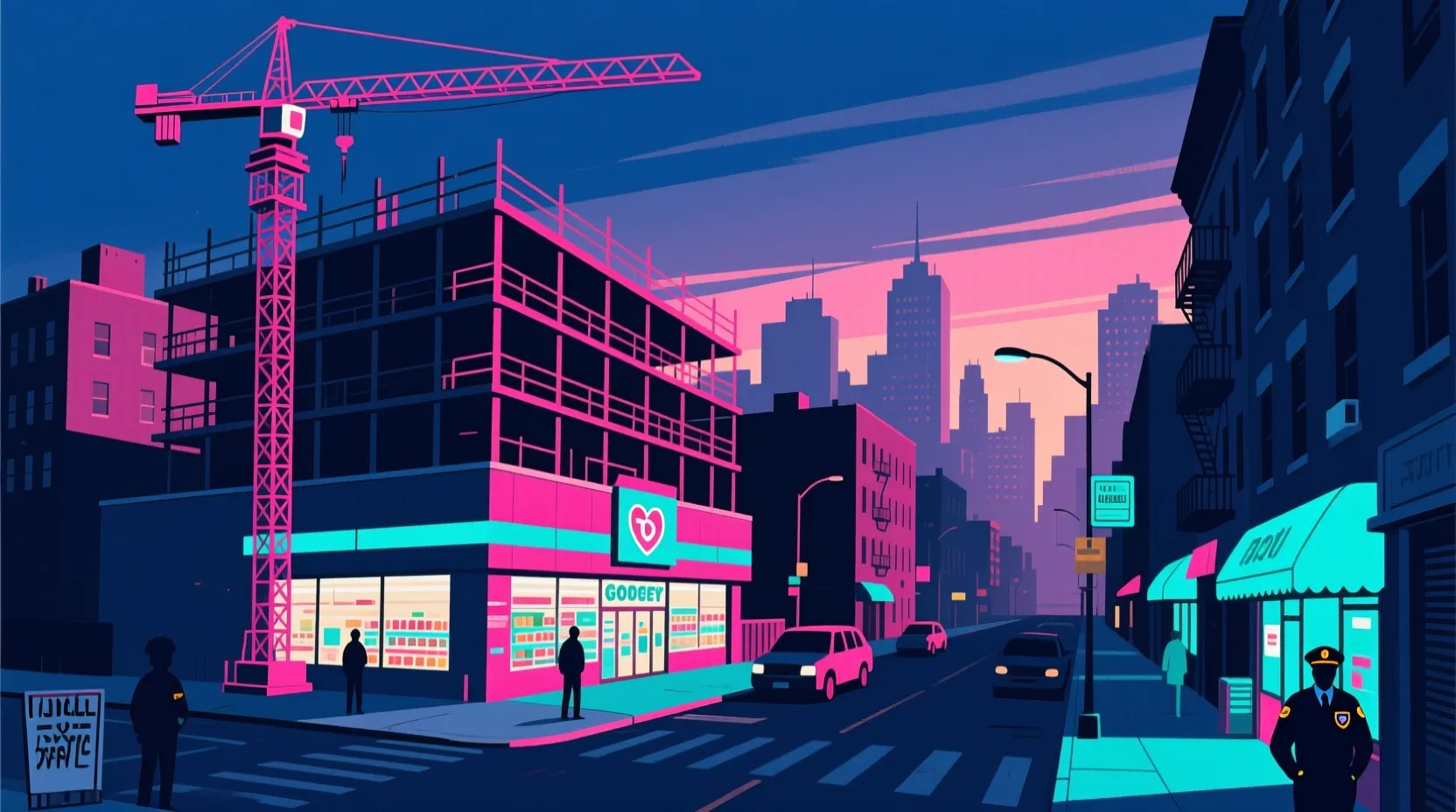
New York City Mayor Zohran Mamdani's plan to open a city-run grocery store in East Harlem is running into resistance, not just from local business owners but from fiscal watchdogs too. The project, meant to bring affordable, fresh food to a neighborhood long considered a food desert, is now under scrutiny for its eye-popping $30 million price tag-roughly four times what private grocers spend to build similar spaces.
Experts point out that the high upfront cost isn't the only concern. They estimate the store could lose $300,000 a year indefinitely, with no clear plan to turn a profit. Since the city would absorb those losses, taxpayers would effectively be covering the shortfall year after year. That has some questioning whether public money could be better spent supporting existing small grocers or expanding food assistance programs.
Local bodegas and supermarkets aren't thrilled either. At a recent rally, shop owners voiced fears that a heavily subsidized city competitor could undercut their prices and draw customers away, especially if the public store doesn't face the same financial pressures. One East Harlem vendor put it simply: "We pay rent, we pay taxes, we take the risk. How can we compete with a store that doesn't?"
Mamdani's office argues the store isn't meant to replace local businesses but to fill a gap. East Harlem has fewer full-service grocery options than almost any other part of Manhattan, and residents often rely on convenience stores with limited produce. The mayor sees the project as part of a broader push to treat food access as a public good, much like libraries or parks.
Still, the optics are tough. At a time when city budgets are strained and inflation still weighs on households, spending $30 million on a single store feels excessive to some. Critics also note that Mamdani recently blamed an NBA player for high Knicks ticket prices-a misfire that made headlines and added to a sense that his administration sometimes targets the wrong problems.
Supporters, however, say this kind of bold experiment is exactly what's needed. They argue that if the city can run public laundromats or broadband networks, it can run a grocery store too. And if it means healthier food for thousands of families, the long-term benefits could outweigh the costs.
The debate isn't just about one store. It's about how far city government should go to correct market failures. Can a public grocery be both a social service and a sustainable operation? The East Harlem project will be a test-and a closely watched one.
About this author
Zwely News Staff compiles multi-source reporting into concise, viewpoint-aware coverage for readers who want context without noise.
Source Notes
Mamdani’s $30M city-owned grocery store will cost 4 times the normal price to build — and lose $300K a year in perpetuity: experts
Mayor Zohran Mamdani’s $30 million city‑owned East Harlem grocery store is going to cost taxpayers roughly four times what rival markets spend on construction.
NBA star hits back at NYC Mayor Zohran Mamdani for blaming him over expensive playoff tickets
Trae Young fired back at Zohran Mamdani after being blamed for expensive New York Knicks playoff tickets, despite no longer playing for the Atlanta Hawks.
Why the Rich Should Get Free Public Childcare Too
Late last month, the New York Times highlighted what might be considered a weakness in Zohran Mamdani’s universal free childcare plan: the rich will get to use it too. The article, titled “They Pay $34 for Burgers. Should Their Child Care B...
Mamdani’s city-run grocery plan draws pushback from local bodegas, supermarkets
New York City Mayor Zohran Mamdani’s (D) plan to open a city-owned grocery store in East Harlem is drawing pushback from critics who question its feasibility and warn of its economic impact on local businesses. At a rally Sunday marking his...
Previous story
The Live Nation verdict could finally shake up how we buy concert tickets
Next story