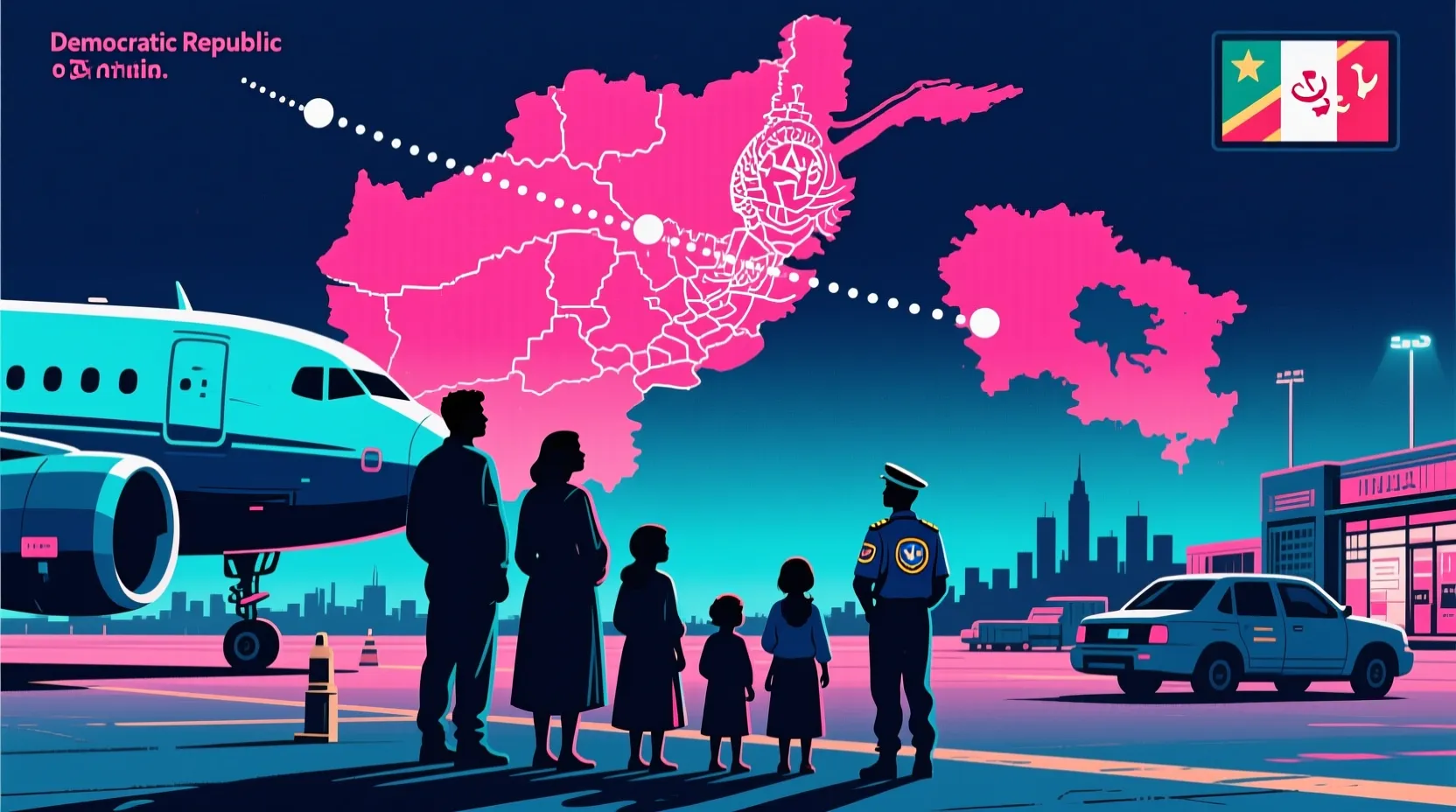
The Supreme Court is taking up two big immigration cases this week
One could decide whether legal immigrants with criminal records can be deported, the other whether people from war zones can be protected from removal

At a glance
What matters most
- The Supreme Court is reviewing whether legal immigrants who commit crimes can be deported, even if they were lawfully paroled into the U.S.
- Another case could decide if people from war-torn countries like Haiti and Syria can keep temporary protection from deportation.
- The rulings may set major precedents on immigration enforcement and humanitarian protections.
- Both cases touch on long-standing tensions between national security, legal status, and human rights.
Across the spectrum
What people are saying
A quick look at how the same story is being framed from different angles.
On the Left
These cases are about basic fairness and human dignity. People who've built lives in the U.S., especially those fleeing violence, shouldn't be torn away over technicalities. The court should recognize that TPS is a lifeline, not a loophole, and that deportation shouldn't be automatic for legal residents with old convictions.
In the Center
The court has to interpret the law as written, not as people wish it were. While the human impact is real, the justices must decide whether current statutes allow these forms of relief - not create new policy from the bench.
On the Right
Immigration rules only work if they're enforced consistently. Letting people stay despite criminal records or improper entry rewards those who game the system. The court should uphold the law and protect national sovereignty, not expand legal status through judicial interpretation.
Full coverage
What you should know
This week, the Supreme Court is diving into two immigration cases that could shift how the U.S. handles noncitizens with criminal records and those fleeing violence abroad. The first, Blanche v. Lau, centers on a man who was paroled into the country decades ago but now faces deportation after a criminal conviction. The Trump administration argues he can be removed like any undocumented person, but his lawyers say that's not how parole works - it's meant to offer a path to lawful status, not a temporary pass that can be revoked at any time.
The second case deals with Temporary Protected Status (TPS), a humanitarian program for people from countries hit by war or disaster. Tens of thousands from places like Haiti, Syria, and Venezuela live under TPS, but it doesn't automatically grant permanent residency. The court will decide whether someone who entered legally under TPS - but never got formal admission - can later apply for a green card without leaving the country. If the justices say no, many could be forced to depart and wait years abroad to re-enter, even if returning to their home country is dangerous.
Immigration advocates warn that a narrow ruling could split families and upend lives built over decades. They point to people who've paid taxes, raised children in the U.S., and stayed out of trouble - only to face removal because of a technicality in how they entered. On the other side, supporters of stricter enforcement argue that letting people stay despite criminal records or irregular entry undermines the rule of law and rewards those who bypass the system.
The court's decision won't resolve the broader immigration debate, but it could lock in key legal interpretations for years. With the current bench leaning conservative, there's concern among immigrant rights groups that both cases could narrow protections. But past rulings have shown the justices don't always fall along predictable lines when humanitarian concerns collide with statutory language.
What makes these cases especially urgent is the number of people affected. Estimates suggest tens of thousands could lose their ability to stay if the court rules against TPS holders. And the Blanche case could set a precedent that makes it easier to deport legal immigrants with criminal histories, even if they've lived in the U.S. for most of their lives.
Neither case is about border policy or asylum - they're narrower, technical disputes. But they highlight how much of immigration law hinges on fine legal distinctions: parole versus admission, status versus permanence, punishment versus proportionality. The justices will have to weigh the letter of the law against the real-world consequences of their interpretation.
Arguments are expected this week, with decisions likely by June. For now, thousands are waiting to see whether the court sees them as part of the American fabric - or as legal exceptions to be removed.
About this author
Zwely News Staff compiles multi-source reporting into concise, viewpoint-aware coverage for readers who want context without noise.
Source Notes
Supreme Court to weigh rights of legal immigrants who commit crimes
The Supreme Court will review on Wednesday the Trump administration’s bid to remove a criminal noncitizen who was paroled into the country, one of two immigration cases the justices will hear over the next week. The case, Blanche v. Lau, ce...
The Supreme Court will decide if migrants can be sent back to war zones
Imagine that you are a foreign national vacationing in New York when a civil war breaks out in your home country. Political dissidents, as well as bystanders who are unfortunate enough to get in the way of the warring factions, are being ki...
Here’s More Evidence Democrats Will Rig The Supreme Court As Soon As They Can
Two separate things happened last week that make it pretty clear what will happen when Democrats are once again in control of the federal government, which is to rig the Supreme Court (a process understood by Democrats and the media as “def...
Supreme Court Reviews F.C.C.’s Enforcement Power Against Communications Companies
AT&T and Verizon were penalized millions of dollars for what the agency said was a failure to protect consumer information. The companies say they were deprived of their right to a jury trial.
Previous story
Virginia just approved a new voting map that could shift power to Democrats
Next story